
Kanji quizzes for the joy of reading
How do you read 起死回生 in Japanese?
Recover from a seemingly hopeless position.
Make the words you meet in books your own, one quiz at a time. Discover Japanese kanji readings, meanings and usage with DuraRing.
Unfamiliar kanji? Scan and look it up.Explore the OCR & AI dictionaryHow do you read this in Japanese?
Think of your answer before you look.
HINTShow hint
Turning a desperate situation around decisively, with the image of returning to life.
More on radicals and this quiz’s stroke counts
Describe the shapes you see
You do not need to know the radical’s name. Try these searches for this quiz’s characters.
kanji with 走 beside 己
kanji with a small 口 inside a larger enclosure
four-character Japanese phrase 起死 followed by 回 and 生
These searches describe visual similarities, not formal radicals or character components.
起: 10 strokes; radical 走 (run). 死: 6 strokes; radical 歹 (death). 回: 6 strokes; radical 囗 (enclosure). 生: 5 strokes; radical 生 (life). Visual search descriptions are distinct from dictionary radical classifications.
起10 strokes / radical: 走 (run)
死6 strokes / radical: 歹 (death)
回6 strokes / radical: 囗 (enclosure)
生5 strokes / radical: 生 (life)
Stroke counts and radicals follow the Japanese dictionary Kanjipedia; other dictionaries may differ.
Kanjipedia「起」 / Kanjipedia「死」 / Kanjipedia「回」 / Kanjipedia「生」
ANSWERShow answerHide answer
The answer is
きしかいせい
kishi kaisei
起死回生
Understand the meaning
English translationA dramatic recovery from a desperate situation
A dramatic turnaround from an almost hopeless position. It can describe a major recovery in a game or an undertaking.

See it in a sentence
終了間際の一点が起死回生の得点となり、チームは勢いを取り戻した。A point just before the end brought a dramatic turnaround, restoring the team’s momentum.
A way to remember
起死 is kishi and 回生 is kaisei. The third character is 回, suggesting a return, rather than 再 from 再生.
Sources:Kanjipedia: 起死回生
The explanation draws on the sources below. Examples were written for this page.
Explore the word further
Show both the difficulty and the turning point
Use 起死回生の一手 or 起死回生を図る. Describe the serious difficulty and the action that changed it to show the scale of the recovery.
例:活動停止の危機にあった読書会は、会場の提供を受けて起死回生の機会を得た。
The reading group, on the verge of closing, gained a chance to recover when someone offered a venue.
It suggests a substantial turnaround
起死回生 strongly suggests recovery from a grave situation. Applied to a minor improvement, it can make the circumstances sound more dramatic than intended.
References for this explanation:Kanjipedia: 起死回生
Explanation checked on 2026-11-02. Additional examples were written by DuraRing for this page.
The answer and explanation stay hidden until you open them.
Read and learn with  .
Photograph unfamiliar kanji, look them up and save them in the app, linked to your book.A reading app that helps you revisit words in the context of your books.
Capture and look up kanji
Photograph a printed page.Check kanji readings and meanings.
Save words. Connect them to books.
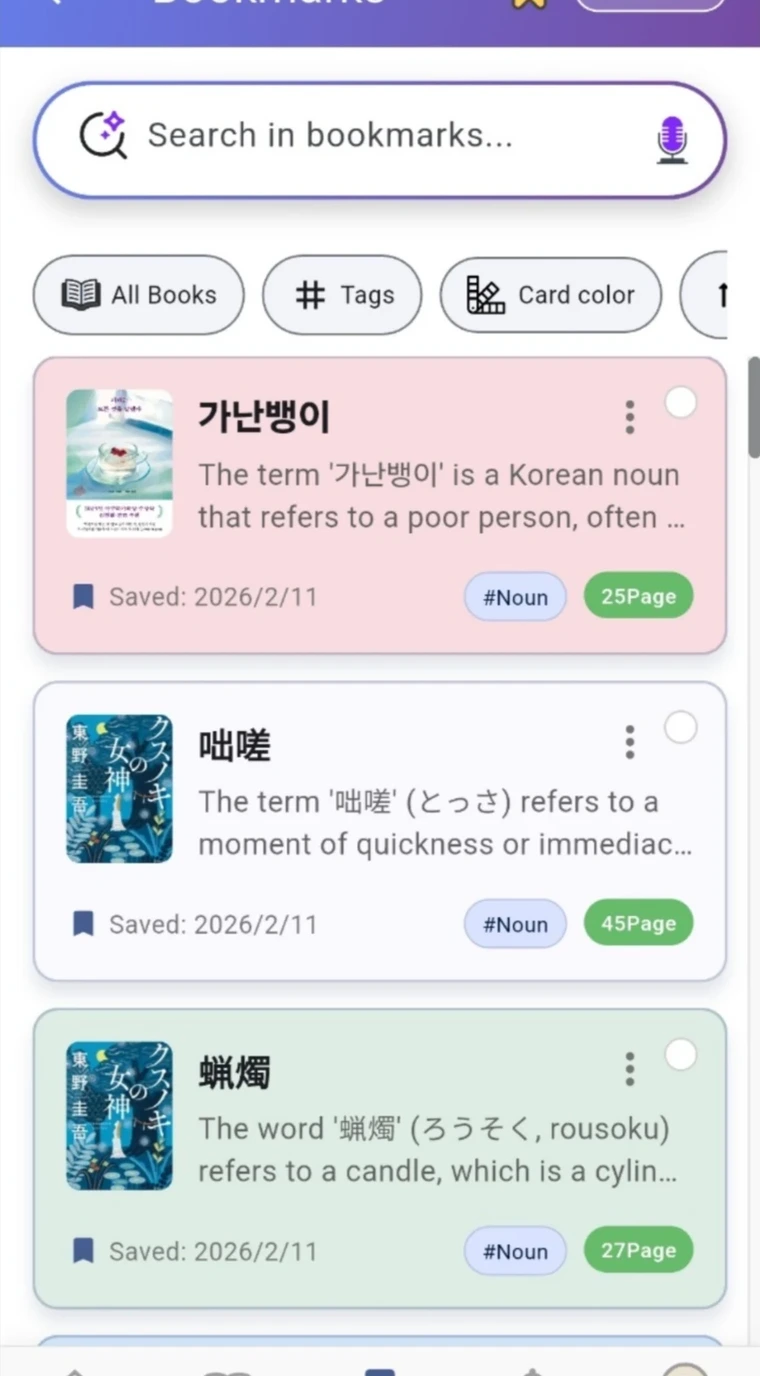
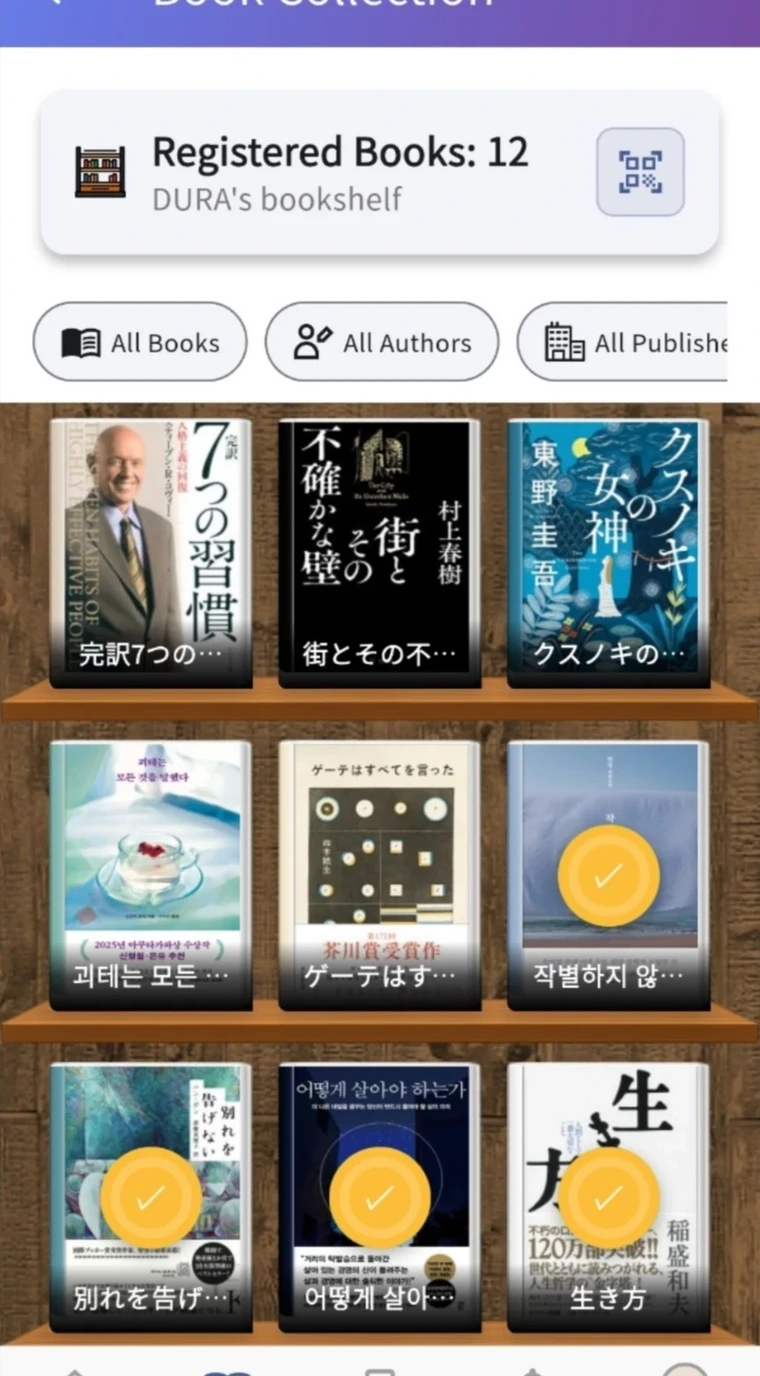
Save readings and meanings with the book and page.Revisit your reading through notes linked to your bookshelf.
① illustrates the capture feature. ② shows actual app screens.