
Kanji quizzes for the joy of reading
How do you read 異口同音 in Japanese?
Different people express the same view.
Make the words you meet in books your own, one quiz at a time. Discover Japanese kanji readings, meanings and usage with DuraRing.
Unfamiliar kanji? Scan and look it up.Explore the OCR & AI dictionaryHow do you read this in Japanese?
Think of your answer before you look.
HINTShow hint
Many people expressing the same thing. 口 is read ku in this expression.
More on radicals and this quiz’s stroke counts
Describe the shapes you see
You do not need to know the radical’s name. Try these searches for this quiz’s characters.
kanji with a shape like 共 beneath 田
kanji with 日 beneath 立
reading of Japanese four-character phrase 異 口 同 音
These searches describe visual similarities, not formal radicals or character components.
異: 11 strokes; radical 田 (field). 口: 3 strokes; radical 口 (mouth). 同: 6 strokes; radical 口 (mouth). 音: 9 strokes; radical 音 (sound). Visual search descriptions are distinct from dictionary radical classifications.
異11 strokes / radical: 田 (field)
口3 strokes / radical: 口 (mouth)
同6 strokes / radical: 口 (mouth)
音9 strokes / radical: 音 (sound)
Stroke counts and radicals follow the Japanese dictionary Kanjipedia; other dictionaries may differ.
Kanjipedia「異」 / Kanjipedia「口」 / Kanjipedia「同」 / Kanjipedia「音」
ANSWERShow answerHide answer
The answer is
いくどうおん
iku dōon
異口同音
Understand the meaning
English translationWith one voice / unanimous agreement
Many people saying the same thing, or their views agreeing. It can describe the same assessment coming from different people.

See it in a sentence
参加者は異口同音に、案内が分かりやすかったと話した。The participants all said that the guidance had been easy to understand.
A way to remember
異口 is iku and 同音 is dōon. Remember the first part as iku, rather than ikō.
Sources:Kanjipedia: 異口同音
The explanation draws on the sources below. Examples were written for this page.
Explore the word further
State the shared opinion
Use 異口同音に褒める. Name who agreed and what they were discussing to make the scope of the judgment clear.
例:試作品を使った三人は、持ち手を広げてほしいと異口同音に述べた。
All three people who tried the prototype said they wanted a wider handle.
The focus is the message, not vocal pitch
異口同音 focuses on shared content or views. It does not require everyone to speak at the same pitch or at exactly the same moment.
References for this explanation:Kanjipedia: 異口同音
Explanation checked on 2026-11-02. Additional examples were written by DuraRing for this page.
The answer and explanation stay hidden until you open them.
Read and learn with  .
Photograph unfamiliar kanji, look them up and save them in the app, linked to your book.A reading app that helps you revisit words in the context of your books.
Capture and look up kanji
Photograph a printed page.Check kanji readings and meanings.
Save words. Connect them to books.
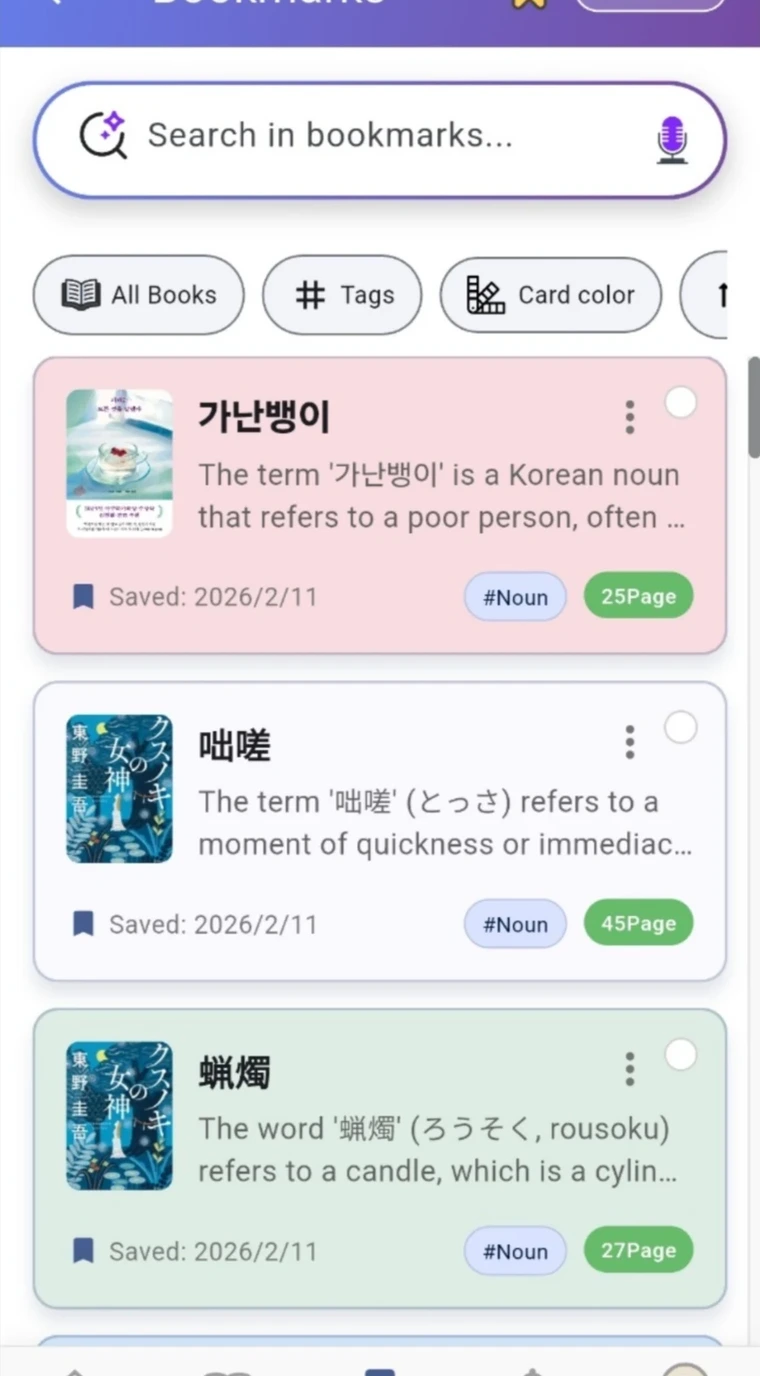
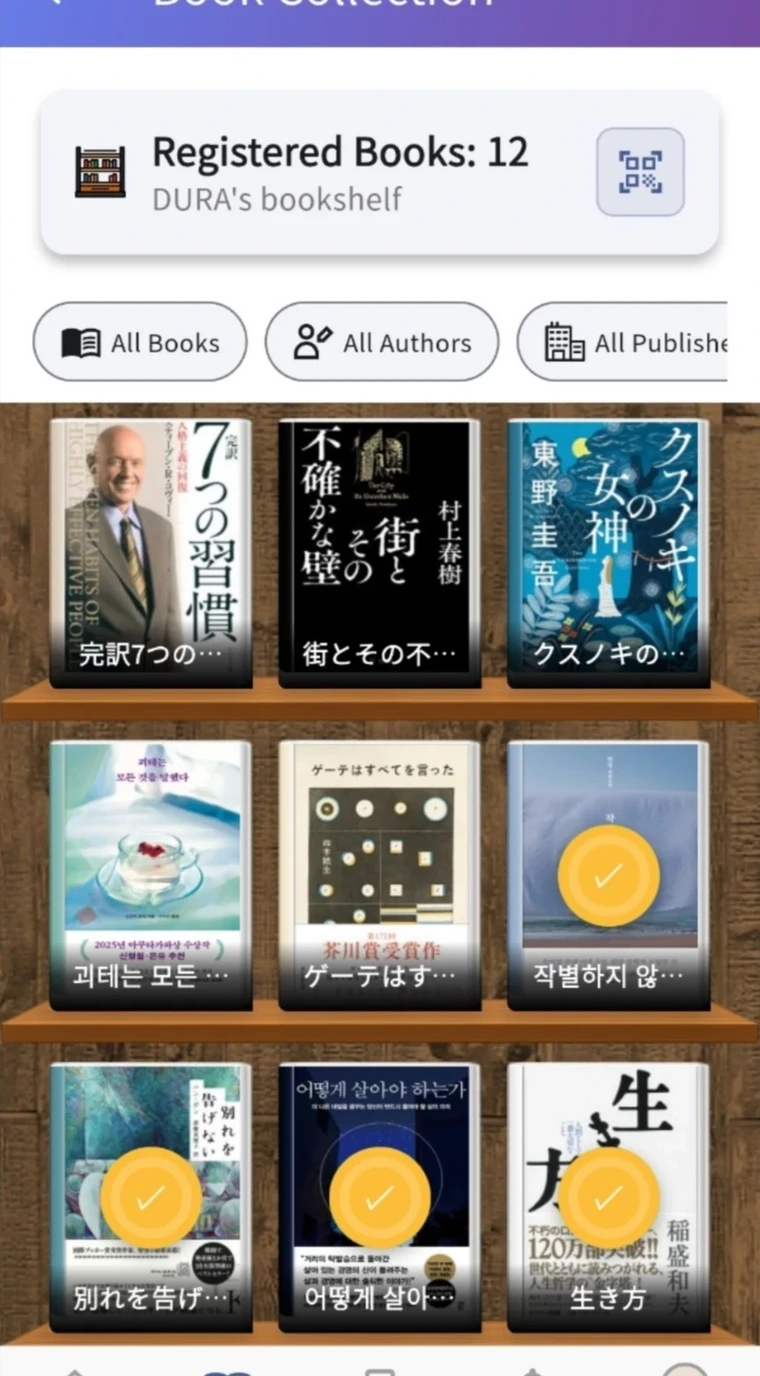
Save readings and meanings with the book and page.Revisit your reading through notes linked to your bookshelf.
① illustrates the capture feature. ② shows actual app screens.