
Kanji quizzes for the joy of reading
How do you read 折衷 in Japanese?
Combine useful parts of different approaches.
Make the words you meet in books your own, one quiz at a time. Discover Japanese kanji readings, meanings and usage with DuraRing.
Unfamiliar kanji? Scan and look it up.Explore the OCR & AI dictionaryHow do you read this in Japanese?
Think of your answer before you look.
HINTShow hint
Taking suitable elements from two or more different things and bringing them into harmony.
More on radicals and this quiz’s stroke counts
Describe the shapes you see
You do not need to know the radical’s name. Try these searches for this quiz’s characters.
kanji with 扌 beside 斤
kanji with 中 within an 衣 shape
Japanese word with 折 followed by a character combining 衣 and 中
These searches describe visual similarities, not formal radicals or character components.
折: 7 strokes; radical 手 (hand). 衷: 9 strokes; radical 衣 (clothing). Visual search descriptions are distinct from dictionary radical classifications.
折7 strokes / radical: 手 (hand)
衷9 strokes / radical: 衣 (clothing)
Stroke counts and radicals follow the Japanese dictionary Kanjipedia; other dictionaries may differ.
ANSWERShow answerHide answer
The answer is
せっちゅう
setchū
折衷
Understand the meaning
English translationCombining elements into a balanced solution
Combining suitable elements from two or more different approaches or styles into a balanced whole.

See it in a sentence
二人の案を折衷し、写真と短い文章を組み合わせた展示にした。We combined elements of both proposals to make an exhibition of photographs with short texts.
A way to remember
The compound is setchū, with a small っ. In 衷, a shape like 衣 surrounds 中.
Sources:Kanjipedia: 折衷
The explanation draws on the sources below. Examples were written for this page.
Explore the word further
Name the elements being combined
Use 折衷案 or 和洋折衷. Explain which elements came from each approach to show the reasoning behind the combination.
例:詳しさと読みやすさを求める意見を折衷し、本文の横に補足欄を設けた。
We balanced requests for detail and readability by placing supplementary notes beside the main text.
The parts need not be equal halves
折衷 concerns a suitable balance. It does not require equal quantities from each side or choosing a numerical midpoint.
References for this explanation:Kanjipedia: 折衷
Explanation checked on 2026-11-02. Additional examples were written by DuraRing for this page.
The answer and explanation stay hidden until you open them.
Read and learn with  .
Photograph unfamiliar kanji, look them up and save them in the app, linked to your book.A reading app that helps you revisit words in the context of your books.
Capture and look up kanji
Photograph a printed page.Check kanji readings and meanings.
Save words. Connect them to books.
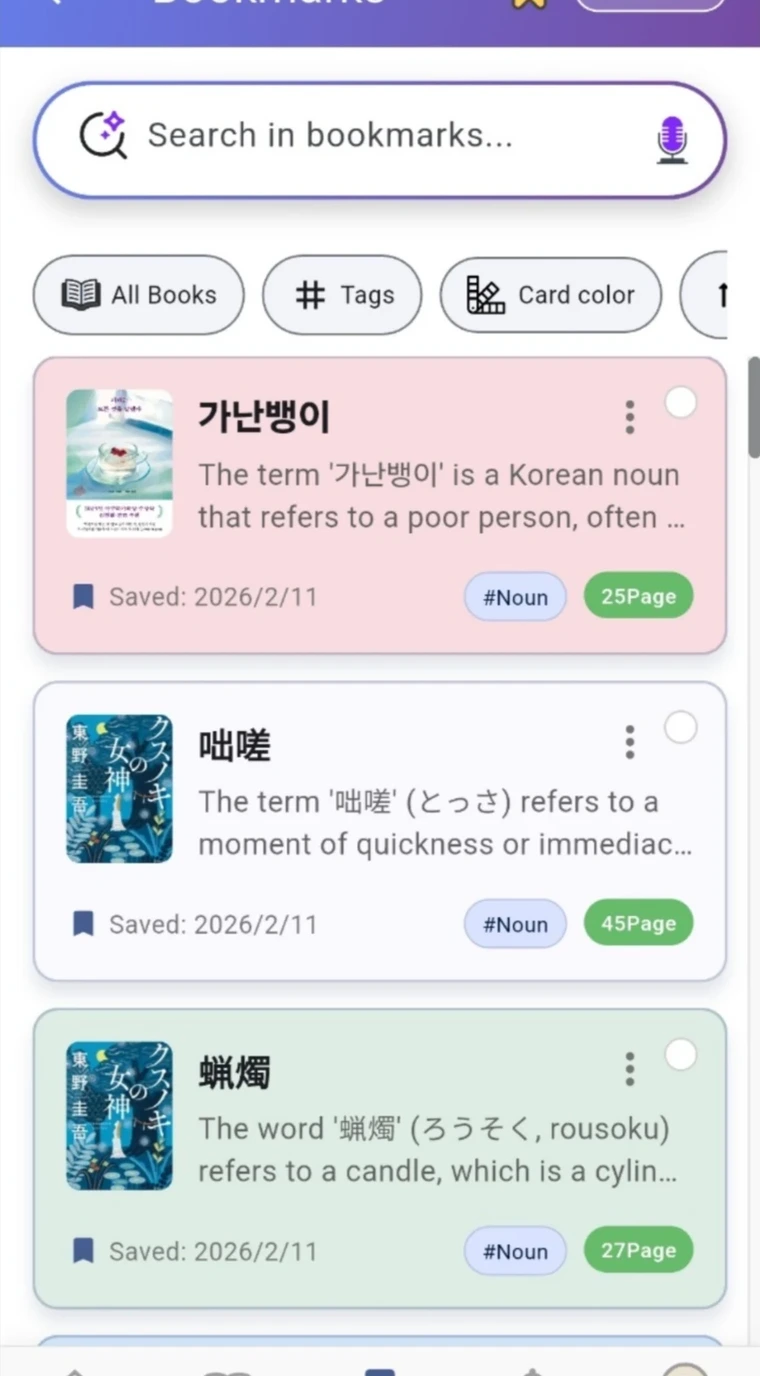
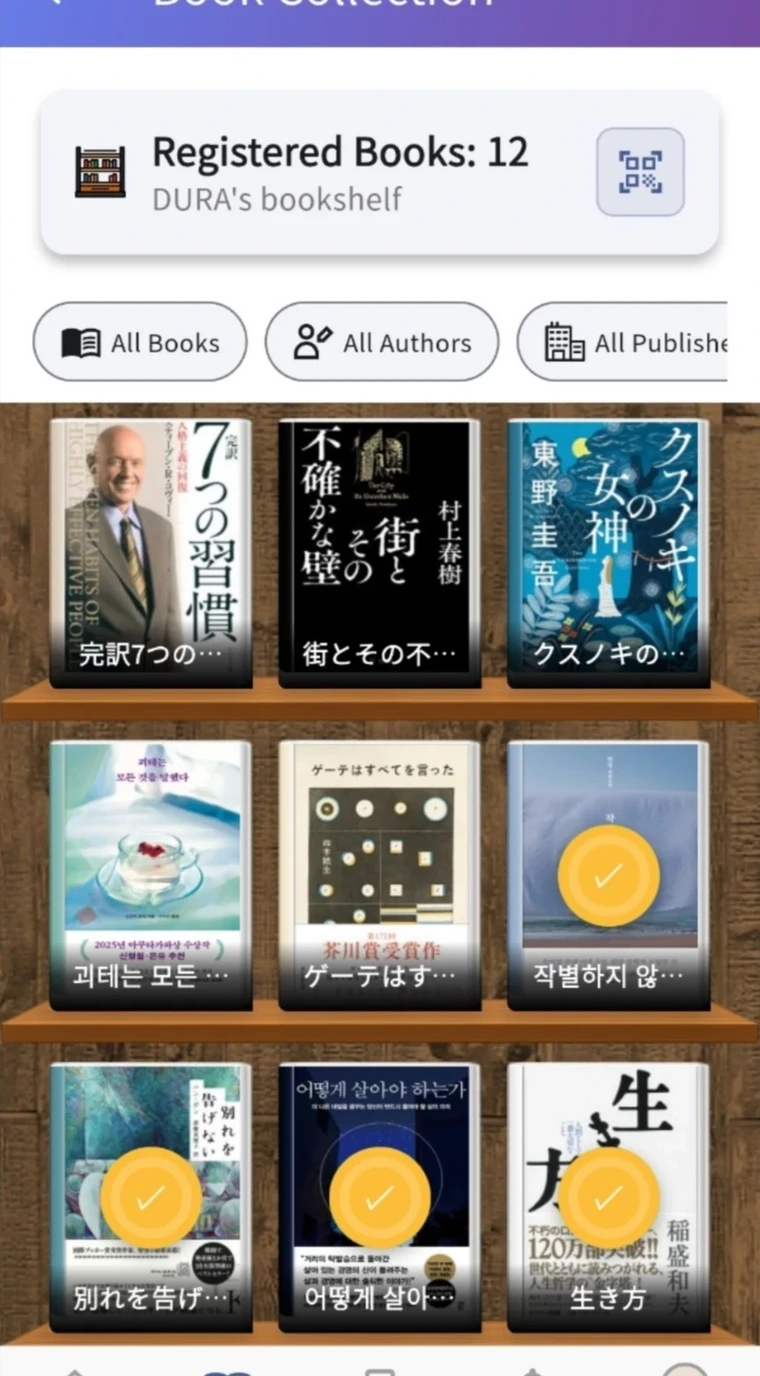
Save readings and meanings with the book and page.Revisit your reading through notes linked to your bookshelf.
① illustrates the capture feature. ② shows actual app screens.