
Kanji quizzes for the joy of reading
How do you read 端緒 in Japanese?
A small clue opens a way forward.
Make the words you meet in books your own, one quiz at a time. Discover Japanese kanji readings, meanings and usage with DuraRing.
Unfamiliar kanji? Scan and look it up.Explore the OCR & AI dictionaryHow do you read this in Japanese?
Think of your answer before you look.
HINTShow hint
The beginning of something, or a clue that lets work proceed; for example, a starting point for solving a problem.
More on radicals and this quiz’s stroke counts
Describe the shapes you see
You do not need to know the radical’s name. Try these searches for this quiz’s characters.
kanji with 立 beside 山 over 而
kanji with 糸 beside 者
Japanese word with 端 followed by 糸 beside 者
These searches describe visual similarities, not formal radicals or character components.
端: 14 strokes; radical 立 (stand). 緒: 14 strokes; radical 糸 (thread). Visual search descriptions are distinct from dictionary radical classifications.
端14 strokes / radical: 立 (stand)
緒14 strokes / radical: 糸 (thread)
Stroke counts and radicals follow the Japanese dictionary Kanjipedia; other dictionaries may differ.
ANSWERShow answerHide answer
The answer is
たんしょ
tansho / tancho
端緒
Understand the meaning
English translationA starting point / a clue
A beginning or clue that provides a way into a matter, such as something that starts an investigation or discussion.

See it in a sentence
一枚の古い写真が、地域の記録を調べる端緒となった。One old photograph provided a starting point for researching the community’s records.
A way to remember
Tansho is the headword reading. Tancho is also recorded as a conventional reading and is not treated as simply wrong.
Sources:Kanjipedia: 端緒
The explanation draws on the sources below. Examples were written for this page.
Explore the word further
Identify what opened the inquiry
Use 端緒をつかむ or 端緒となる. Name the question, document, or conversation that supplied the starting point.
例:利用者の短い質問を端緒として、案内文の分かりにくい箇所を洗い出した。
Taking a user’s brief question as a starting point, we identified unclear passages in the notice.
A clue is not yet a conclusion
端緒 marks a beginning or clue. Finding one is different from completing the work and reaching a conclusion; distinguish those stages in a progress report.
References for this explanation:Kanjipedia: 端緒
Explanation checked on 2026-11-02. Additional examples were written by DuraRing for this page.
The answer and explanation stay hidden until you open them.
Read and learn with  .
Photograph unfamiliar kanji, look them up and save them in the app, linked to your book.A reading app that helps you revisit words in the context of your books.
Capture and look up kanji
Photograph a printed page.Check kanji readings and meanings.
Save words. Connect them to books.
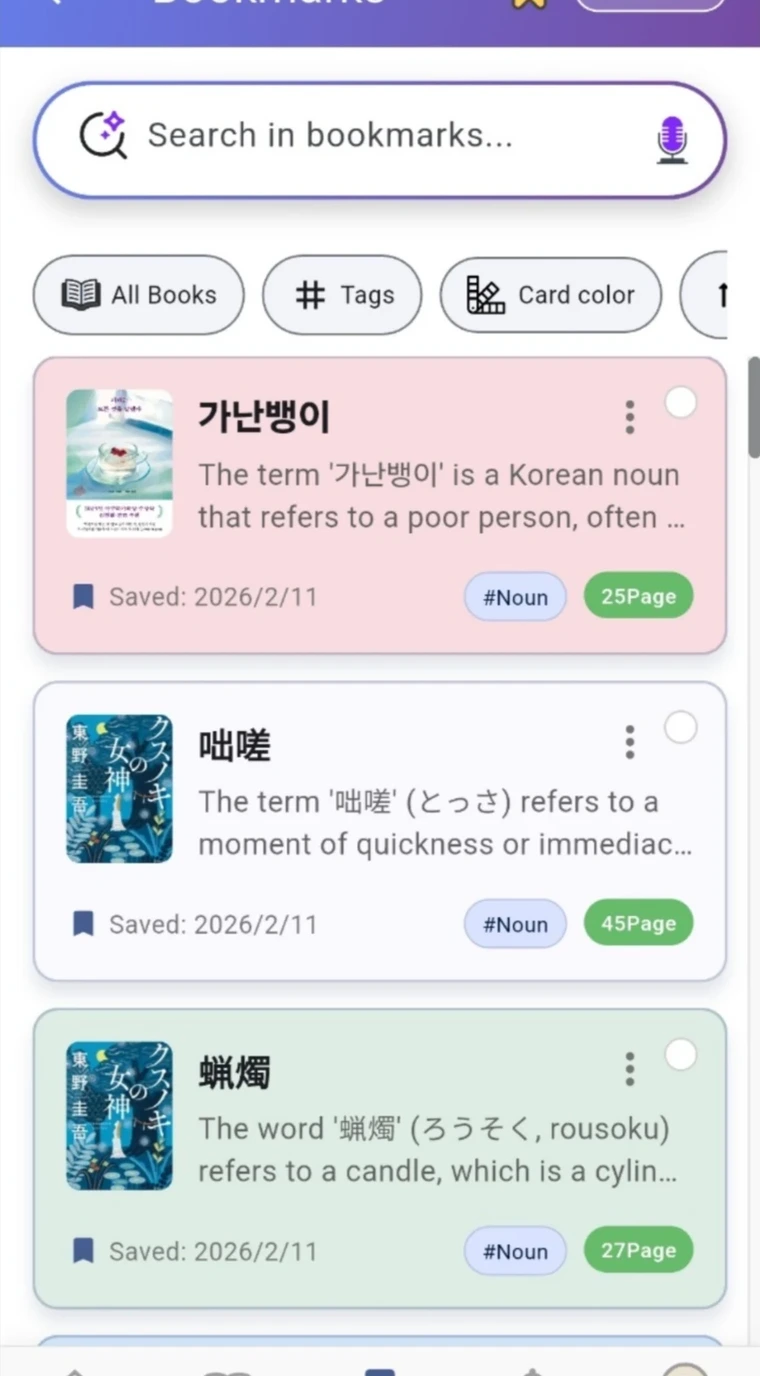
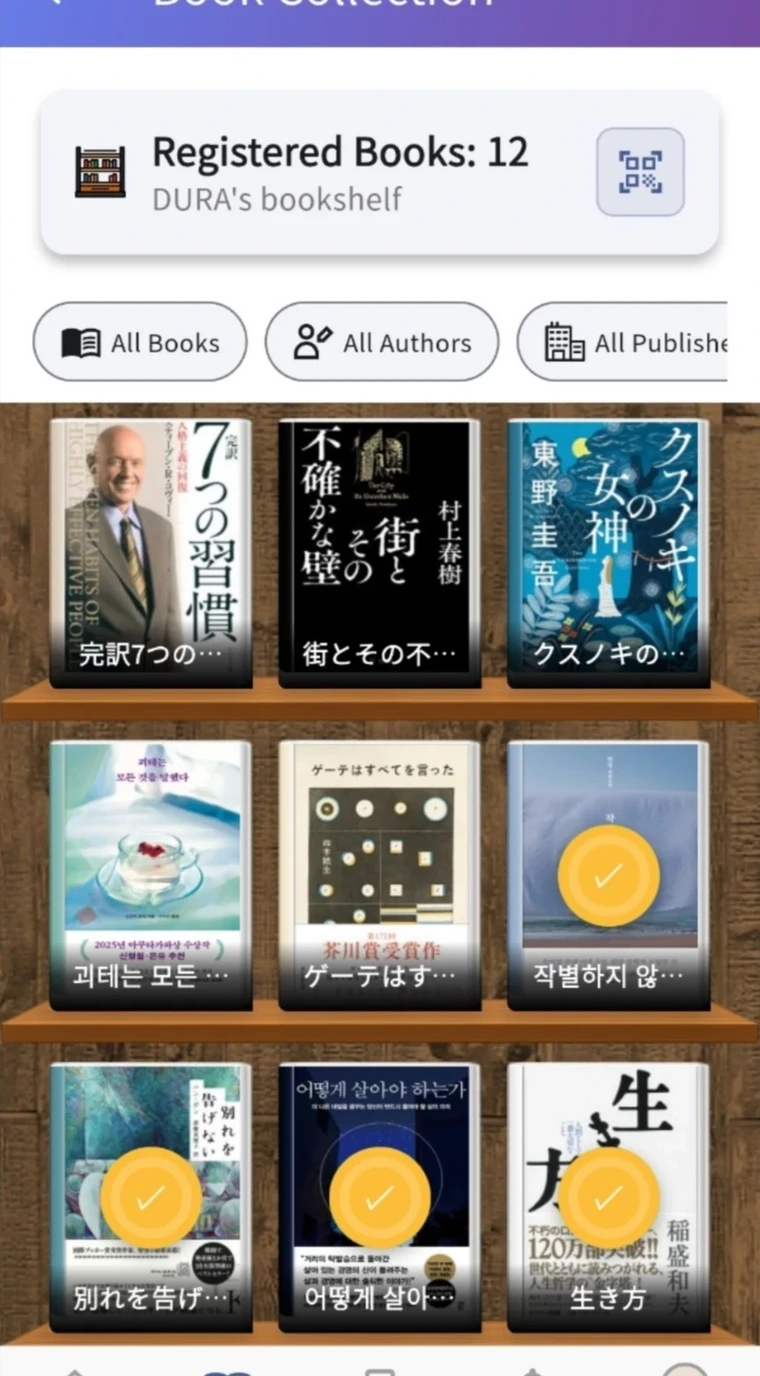
Save readings and meanings with the book and page.Revisit your reading through notes linked to your bookshelf.
① illustrates the capture feature. ② shows actual app screens.