
Kanji quizzes for the joy of reading
How do you read 会釈 in Japanese?
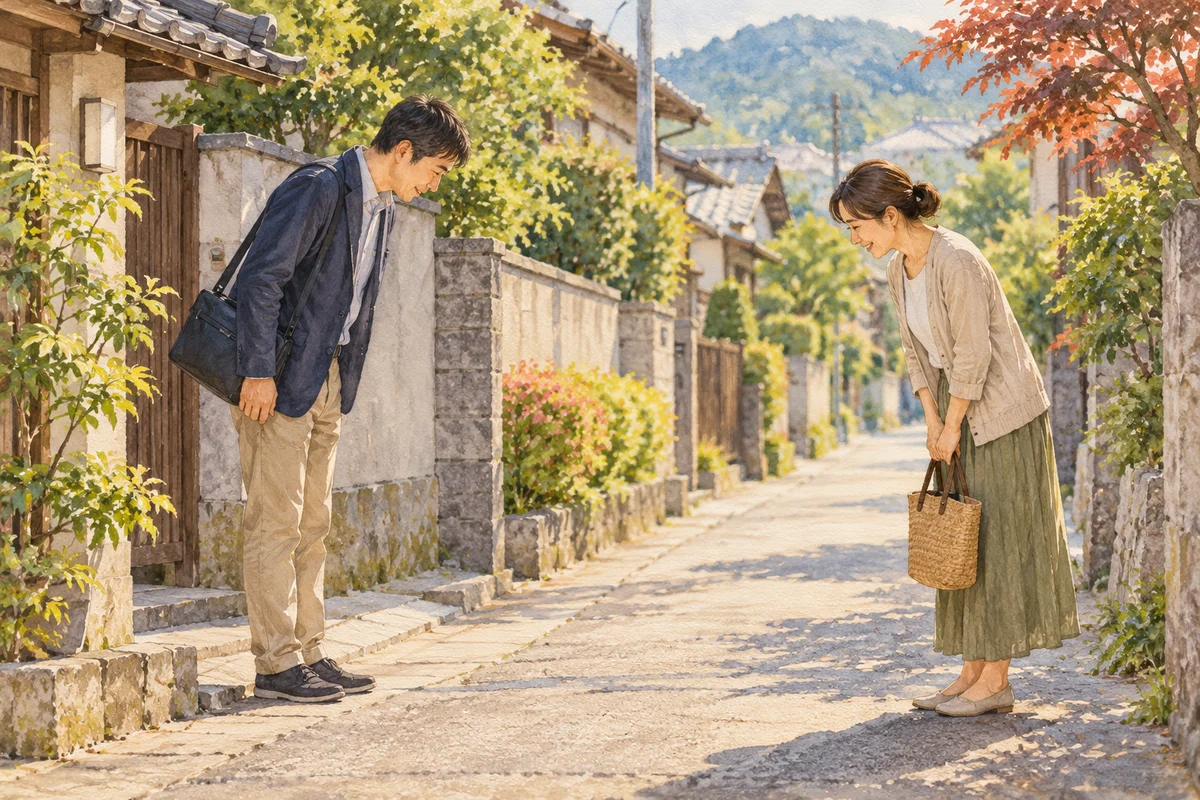
A greeting with a slight bow.
Make the words you meet in books your own, one quiz at a time. Discover Japanese kanji readings, meanings and usage with DuraRing.
Unfamiliar kanji? Scan and look it up.Explore the OCR & AI dictionaryHow do you read this in Japanese?
Think of your answer before you look.
HINTShow hint
A slight bow in greeting. Try a different reading for 会.
More on radicals and this quiz’s stroke counts
Describe the shapes you see
You do not need to know the radical’s name. Try these searches for this quiz’s characters.
会 followed by a rice-like shape and 尺
釆 radical beside 尺
two kanji for a slight bow reading
These searches describe visual similarities, not formal radicals or character components.
会 has 6 strokes and the radical 人 (person). 釈 has 11 strokes and the radical 釆 (distinguish). Radicals are dictionary classifications. The shape-based search phrases below provide other lookup clues.
会6 strokes / radical: 人 (person)
釈11 strokes / radical: 釆 (distinguish)
Stroke counts and radicals follow the Japanese dictionary Kanjipedia; other dictionaries may differ.
ANSWERShow answerHide answer
The answer is
えしゃく
eshaku
会釈
Understand the meaning
English translationA slight bow
A slight bow of the head, often used for a brief greeting when passing someone.
See it in a sentence
道で隣人とすれ違い、笑顔で会釈した。Passing my neighbor on the street, I smiled and gave a slight bow.
A way to remember
Read it eshaku, not kaishaku: 会 is e and 釈 is shaku.
Sources:Kanjipedia: 会釈
The explanation draws on the sources below. Examples were written for this page.
Explore the word further
Using 会釈
会釈を交わす and 会釈して通り過ぎる describe a slight bow in greeting. They identify a gesture, independently of whether anything is said.
例:廊下ですれ違った先生に、彼女は静かに会釈した。
She gave a quiet bow to the teacher she passed in the corridor.
Reading and meaning in context
The quiz uses えしゃく for a greeting. The reference also records other senses, including consideration, so not every occurrence describes bowing.
References for this explanation:Kanjipedia: 会釈
Explanation checked on 2026-10-23. Additional examples were written by DuraRing for this page.
The answer and explanation stay hidden until you open them.
Read and learn with  .
Photograph unfamiliar kanji, look them up and save them in the app, linked to your book.A reading app that helps you revisit words in the context of your books.
Capture and look up kanji
Photograph a printed page.Check kanji readings and meanings.
Save words. Connect them to books.
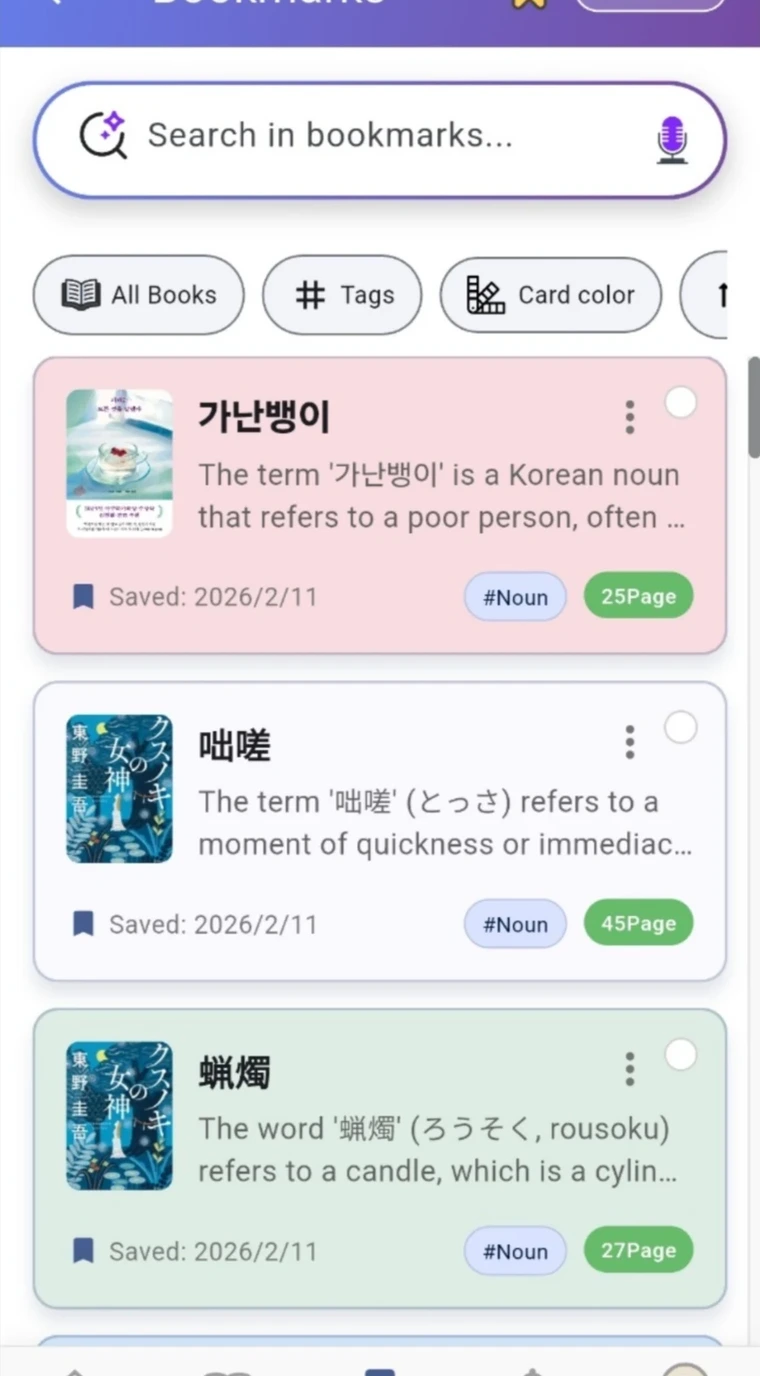
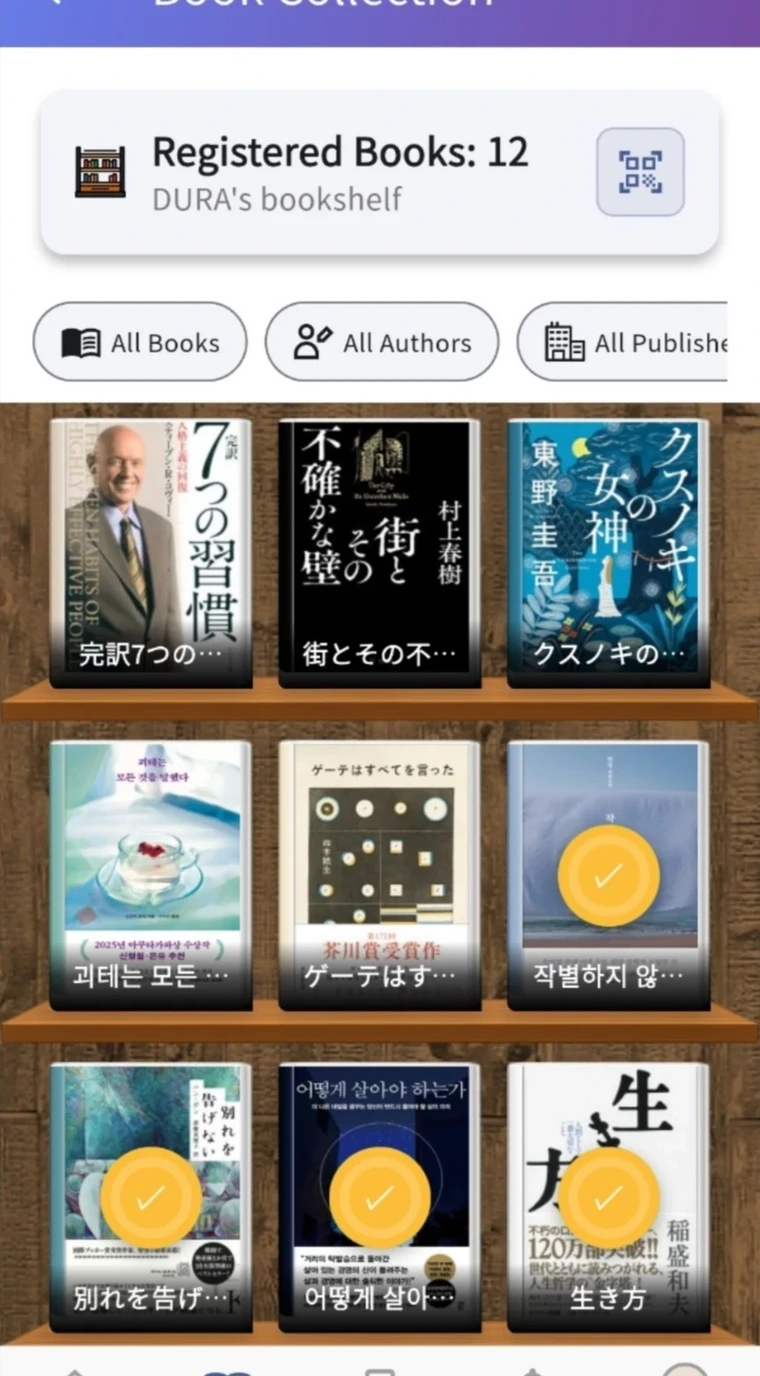
Save readings and meanings with the book and page.Revisit your reading through notes linked to your bookshelf.
① illustrates the capture feature. ② shows actual app screens.