
Kanji quizzes for the joy of reading
How do you read 赴任 in Japanese?
Go to the place where you have been assigned.
Make the words you meet in books your own, one quiz at a time. Discover Japanese kanji readings, meanings and usage with DuraRing.
Unfamiliar kanji? Scan and look it up.Explore the OCR & AI dictionaryHow do you read this in Japanese?
Think of your answer before you look.
HINTShow hint
Going to the location where you have been assigned to work. You may see it in discussions of transfers or overseas posts.
More on radicals and this quiz’s stroke counts
Describe the shapes you see
You do not need to know the radical’s name. Try these searches for this quiz’s characters.
kanji with 走 beside 卜
person radical next to 壬 kanji
Japanese word starting fu for going to an assigned workplace
These searches describe visual similarities, not formal radicals or character components.
赴: 9 strokes; radical 走 (run). 任: 6 strokes; radical 人 (person). Distinguish informal descriptions of the shape from the dictionary radical.
赴9 strokes / radical: 走 (run)
任6 strokes / radical: 人 (person)
Stroke counts and radicals follow the Japanese dictionary Kanjipedia; other dictionaries may differ.
ANSWERShow answerHide answer
The answer is
ふにん
funin
赴任
Understand the meaning
English translationTaking up a post at an assigned location
Going to an assigned place of work. Phrases such as 支店に赴任する and 海外へ赴任する describe taking up a post at a branch or overseas location.

See it in a sentence
来月、地方の支店に赴任することになり、引き継ぎの準備を進めている。I am preparing the handover because I will take up a post at a regional branch next month.
A way to remember
赴 is also read omomuku in other contexts, but here it is fu. 任 is nin, giving funin.
Sources:Kanjipedia: 赴任
The explanation draws on the sources below. Examples were written for this page.
Explore the word further
Include the destination and timing
In an announcement, say where and when you will take up the post. Adding your responsibilities helps readers understand how they will work with you.
例:四月から大阪支店に赴任し、地域のお客様の窓口を担当します。
From April, I will be based at the Osaka branch and serve as a contact for local customers.
Not every work-related trip is an assignment
The focus is going to an assigned post, not merely traveling to a meeting. For a temporary visit, choose wording such as a visit or business trip that matches what actually happened.
References for this explanation:Kanjipedia: 赴任
Explanation checked on 2026-10-25. Additional examples were written by DuraRing for this page.
The answer and explanation stay hidden until you open them.
Read and learn with  .
Photograph unfamiliar kanji, look them up and save them in the app, linked to your book.A reading app that helps you revisit words in the context of your books.
Capture and look up kanji
Photograph a printed page.Check kanji readings and meanings.
Save words. Connect them to books.
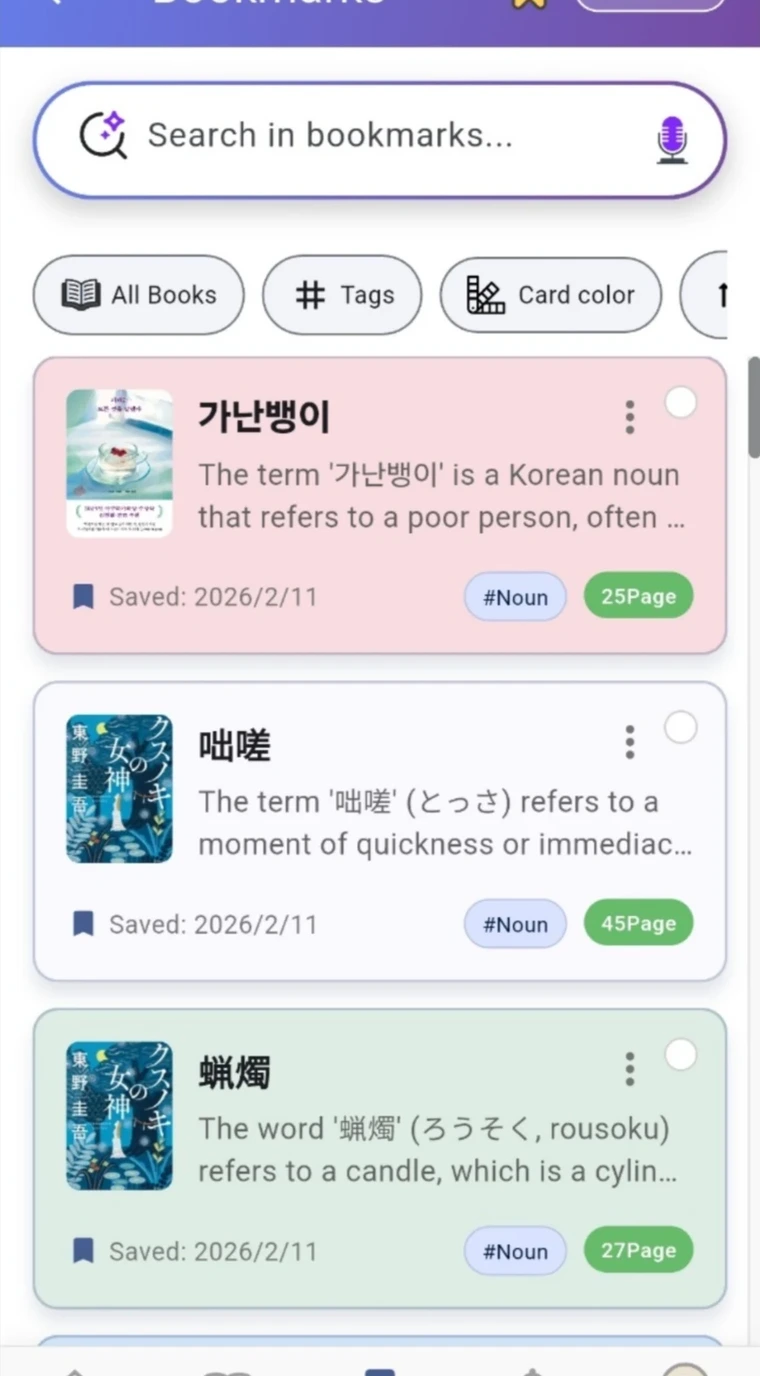
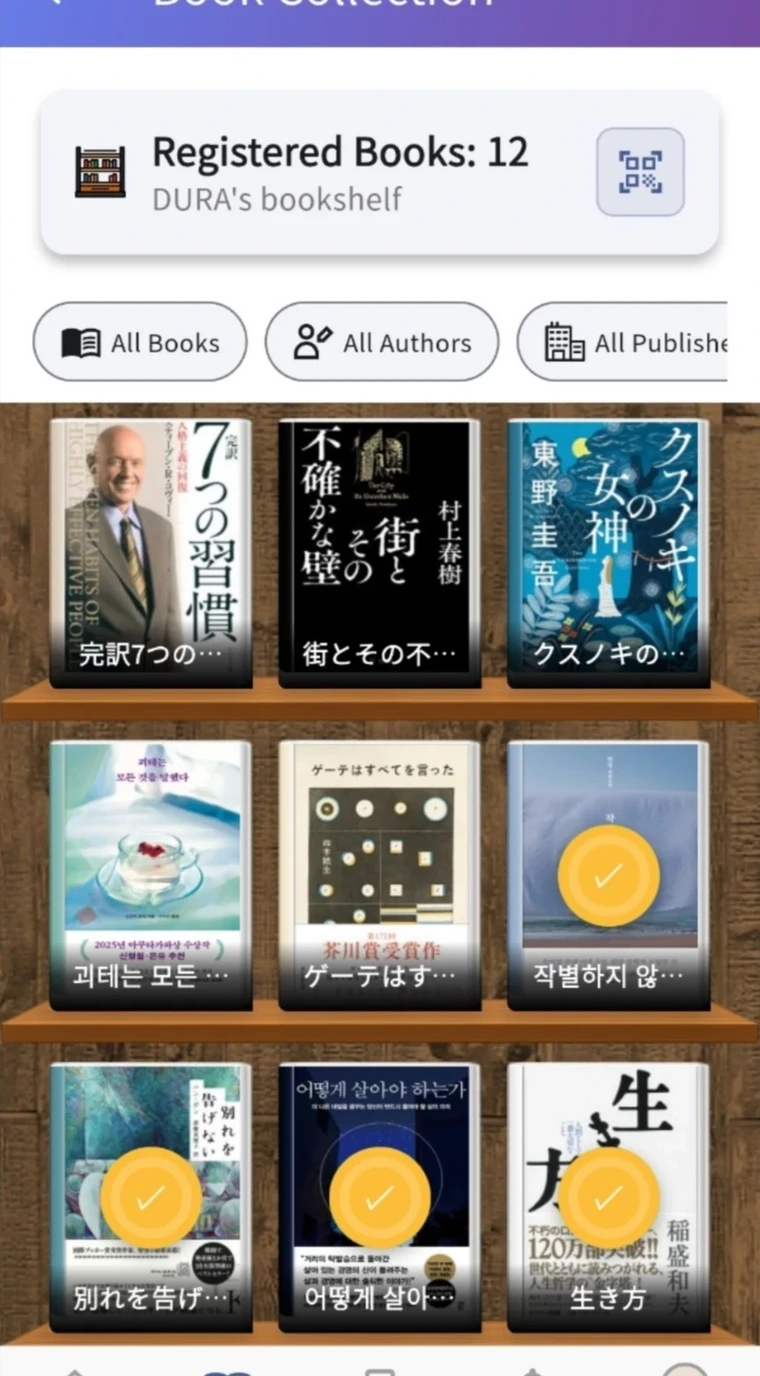
Save readings and meanings with the book and page.Revisit your reading through notes linked to your bookshelf.
① illustrates the capture feature. ② shows actual app screens.