
Kanji quizzes for the joy of reading
How do you read 向日葵 in Japanese?
Three characters for a summer scene.
Make the words you meet in books your own, one quiz at a time. Discover Japanese kanji readings, meanings and usage with DuraRing.
Unfamiliar kanji? Scan and look it up.Explore the OCR & AI dictionaryHow do you read this in Japanese?
Think of your answer before you look.
HINTShow hint
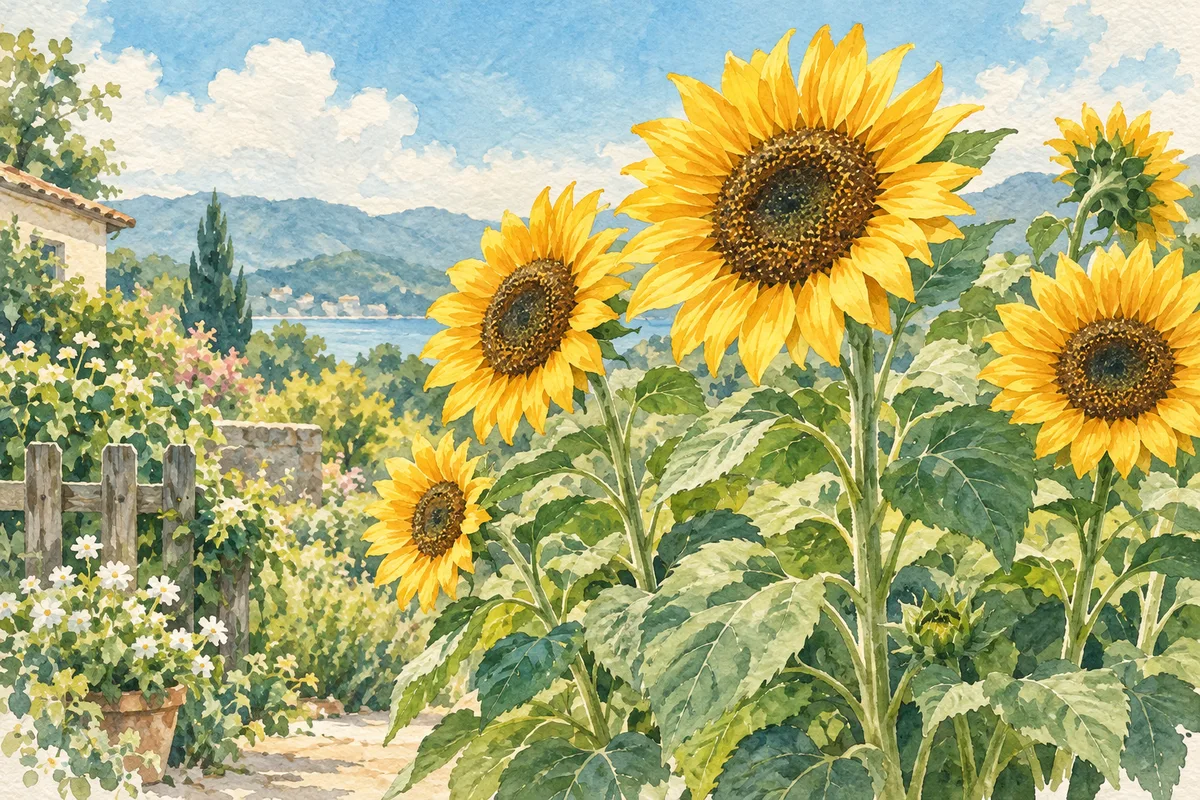
It has a sturdy stem, large leaves and a big yellow flower in summer. Its seeds are also used as food and for oil.
More on radicals and this quiz’s stroke counts
Describe the shapes you see
You do not need to know the radical’s name. Try these searches for this quiz’s characters.
three-character flower name with 向 日 and grass radical
grass radical above 癸
grass radical with a shape like 天 at the bottom
These searches describe visual similarities, not formal radicals or character components.
向 is under 口, 日 under 日, and 葵 under 艸. The lower part of 葵 is 癸. If that component is unfamiliar, try drawing the whole character with handwriting input.
向6 strokes / radical: 口 (mouth)
日4 strokes / radical: 日 (sun)
葵12 strokes / radical: 艸 (grass)
Stroke counts and radicals follow the Japanese dictionary Kanjipedia; other dictionaries may differ.
ANSWERShow answerHide answer
The answer is
ひまわり
himawari
向日葵
Understand the meaning
English translationSunflower
Sunflower, an annual plant in the aster family associated with summer. It has large yellow flower heads and strong upright stems. Its kanji spelling is 向日葵.
See it in a sentence
庭の向日葵が背丈を越え、黄色い花を大きく広げた。The garden sunflowers grew taller than me and opened their large yellow blooms.
A way to remember
Read the whole spelling as himawari. Let 日, the sun character, remind you of a bright summer garden; do not try to assign each syllable to one kanji.
Sources:Kanjipedia: 向日葵
The explanation draws on the sources below. Examples were written for this page.
Explore the word further
Using 向日葵
向日葵 combines with 畑 and 種 to describe a sunflower field or seeds. A summer scene can focus on height or the direction a flower faces.
例:窓辺に飾った向日葵が、白い壁の前で明るく見えた。
The sunflower by the window looked bright against the white wall.
Reading and meaning in context
日 is a useful memory cue, but it does not mean an open flower always turns to follow the sun. Distinguish the impression of the name from plant behavior.
References for this explanation:Kanjipedia: 向日葵
Explanation checked on 2026-10-23. Additional examples were written by DuraRing for this page.
The answer and explanation stay hidden until you open them.
Read and learn with  .
Photograph unfamiliar kanji, look them up and save them in the app, linked to your book.A reading app that helps you revisit words in the context of your books.
Capture and look up kanji
Photograph a printed page.Check kanji readings and meanings.
Save words. Connect them to books.
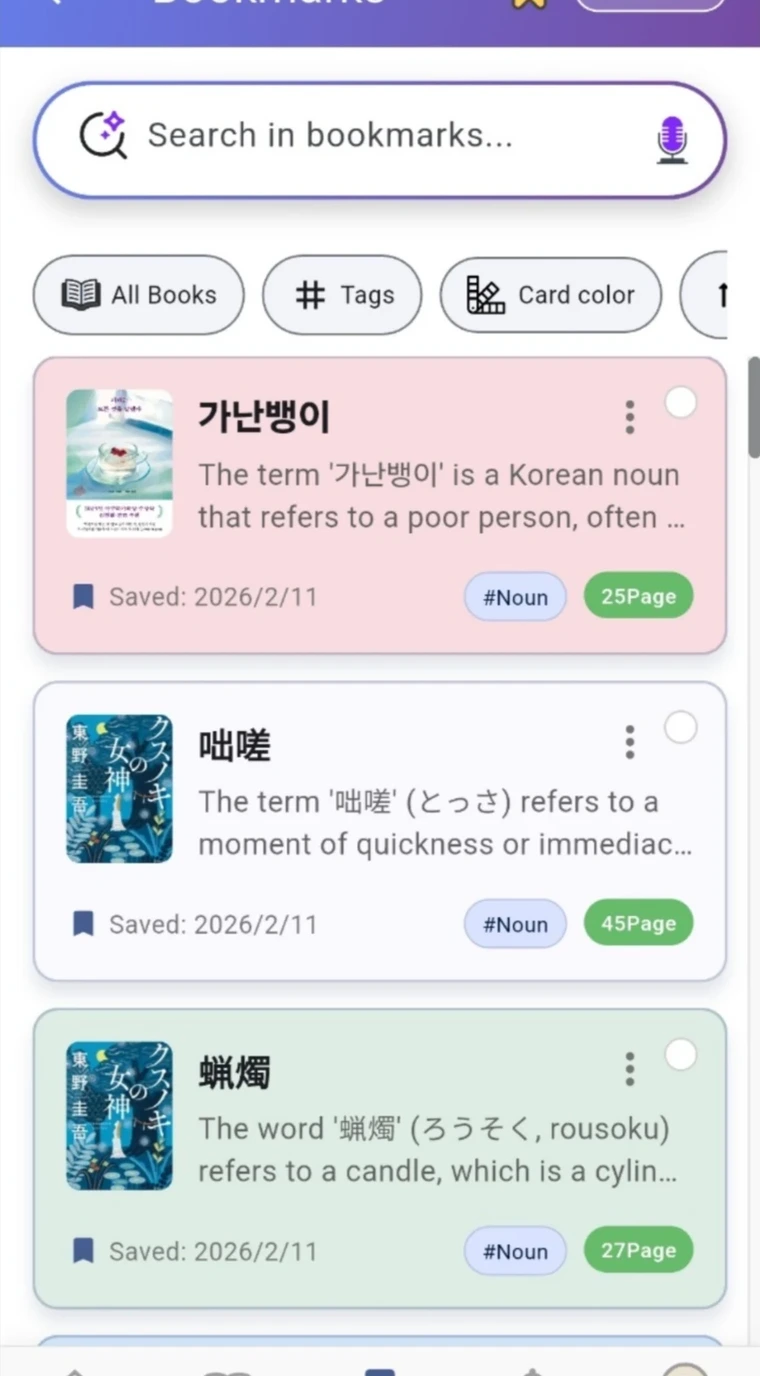
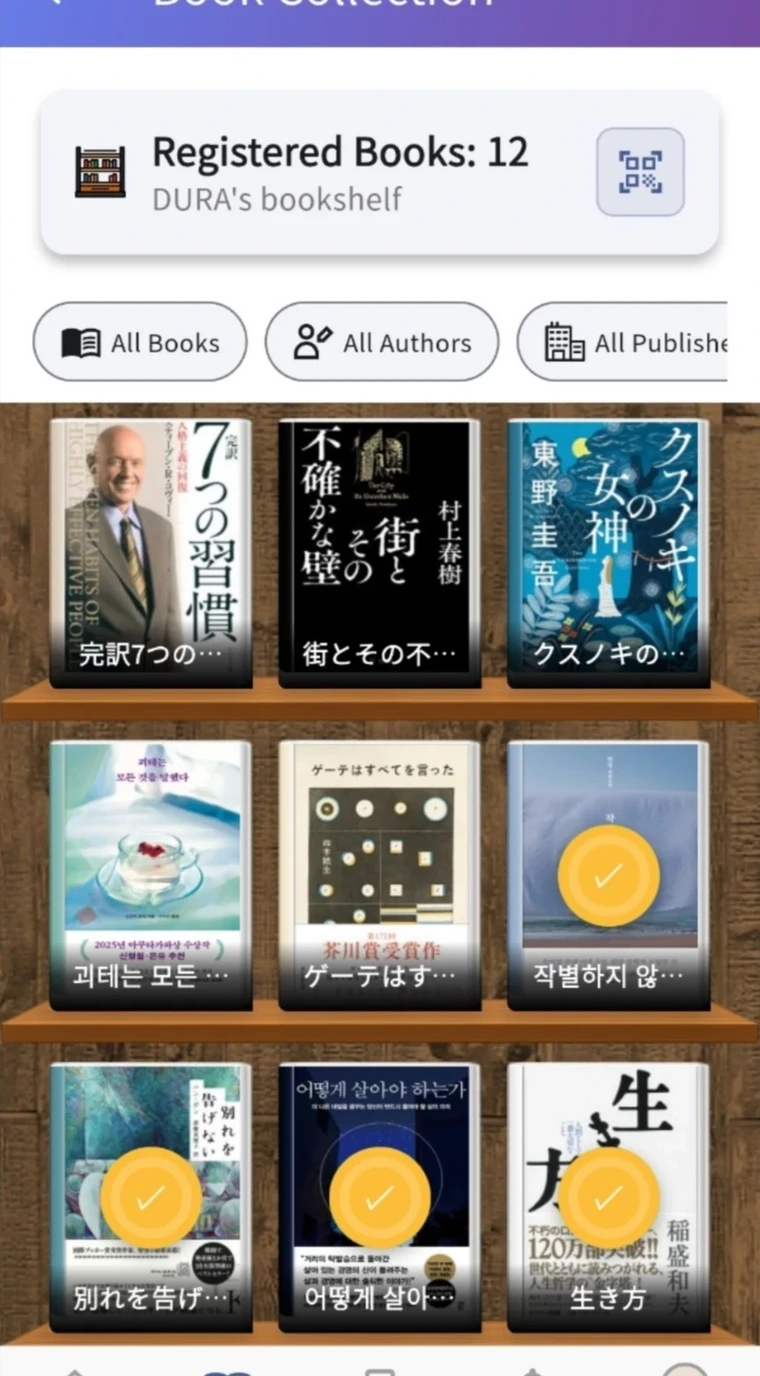
Save readings and meanings with the book and page.Revisit your reading through notes linked to your bookshelf.
① illustrates the capture feature. ② shows actual app screens.