

Learn kanji through reading.
How do you read 蒲公英 in Japanese?
A familiar name, written differently.
From words in books to everyday names, discover the joy of reading Japanese kanji, one question at a time.
Unfamiliar kanji? Scan and look it up.Explore the OCR & AI dictionaryHow do you read this in Japanese?
Think of your answer before you look.
HINTShow hint
A familiar plant with yellow flowers and fluffy white seeds carried by the wind. Its Japanese reading has four hiragana characters.
More on radicals and this quiz’s stroke counts
Describe the shapes you see
You do not need to know the radical’s name. Try these searches for this quiz’s characters.
kanji with grass radical above 浦
kanji with ハ above ム
kanji with grass radical above 央
These searches describe visual similarities, not formal radicals or character components.
The grass radical in 蒲 and 英 often appears in plant-related kanji. 公 is classified under 八. Radicals alone cannot tell you the Japanese reading of 蒲公英.
蒲13 strokes / radical: 艸 (grass radical)
公4 strokes / radical: 八 (eight radical)
英8 strokes / radical: 艸 (grass radical)
Stroke counts and radicals follow the Japanese dictionary Kanjipedia; other dictionaries may differ.
ANSWERShow answerHide answer
The answer is
たんぽぽ
tanpopo
蒲公英
Understand the meaning
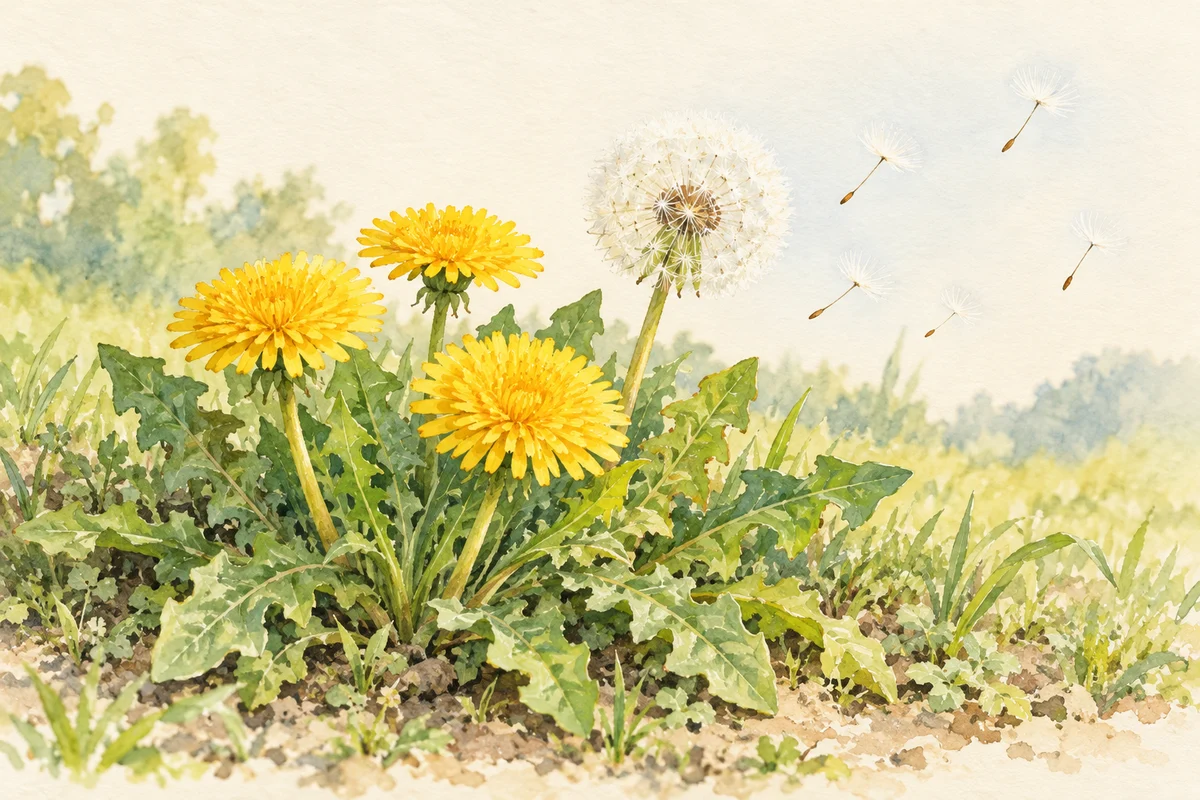
This word means dandelion, a plant in the aster family found in fields and along paths. Its fluffy seed heads let the wind carry the seeds. 蒲公英 is its kanji spelling.
See it in a sentence
道ばたの蒲公英の綿毛が、風に乗って飛んでいった。The dandelion fluff by the path drifted away on the wind.
A way to remember
Learn the whole spelling 蒲公英 as the plant’s name rather than combining each character’s on-reading.
Sources:Kanjipedia: 蒲公英
The explanation draws on the sources below. Examples were written for this page.
The answer and explanation stay hidden until you open them.
Don’t let an unfamiliar word stop you.
Learn kanji through reading.
Scan unfamiliar kanji and save them with the book.
Learn kanji as you enjoy the books you love.
Scan & learn
Scan a printed page.
Check the reading and meaning.
Save with a book
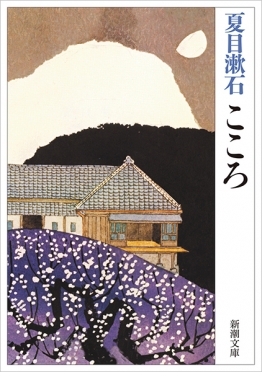
Save kanji with your book.
Revisit them with the scene.
Illustrations and records show how the features work.Cover: Kokoro, Shinchōsha