
Kanji quizzes for the joy of reading
How do you read 百舌 in Japanese?
A bird written with hundred and tongue.
Make the words you meet in books your own, one quiz at a time. Discover Japanese kanji readings, meanings and usage with DuraRing.
Unfamiliar kanji? Scan and look it up.Explore the OCR & AI dictionaryHow do you read this in Japanese?
Think of your answer before you look.
HINTShow hint
A bird known for a sharp autumn call. Its Japanese name has two hiragana.
More on radicals and this quiz’s stroke counts
Describe the shapes you see
You do not need to know the radical’s name. Try these searches for this quiz’s characters.
百 and 舌 bird name reading
two kanji bird 百 followed by 舌
hundred and tongue kanji bird name
These searches describe visual similarities, not formal radicals or character components.
百 has 6 strokes and the radical 白 (white). 舌 has 6 strokes and the radical 舌 (tongue). Radicals are dictionary classifications. The shape-based search phrases below provide other lookup clues.
百6 strokes / radical: 白 (white)
舌6 strokes / radical: 舌 (tongue)
Stroke counts and radicals follow the Japanese dictionary Kanjipedia; other dictionaries may differ.
ANSWERShow answerHide answer
The answer is
もず
mozu
百舌
Understand the meaning
English translationShrike
A shrike, a bird that watches from a perch and catches insects or small animals.

See it in a sentence
畑のそばの枝で、百舌が高い声を響かせた。A shrike gave a high call from a branch beside the field.
A way to remember
Learn the whole pair as mozu rather than reading each familiar character separately.
Sources:Kanjipedia: 百舌
The explanation draws on the sources below. Examples were written for this page.
Explore the word further
Using 百舌
百舌が鳴く and 百舌の声 can introduce a bird through its call, even when it is not directly visible.
例:畑の向こうの枝から、百舌の鋭い声が響いた。
A shrike’s sharp call rang out from a branch beyond the field.
Reading and meaning in context
The pair names the bird もず. Do not interpret 百 as a count or 舌 as a separate word; learn the whole name.
References for this explanation:Kanjipedia: 百舌
Explanation checked on 2026-10-23. Additional examples were written by DuraRing for this page.
The answer and explanation stay hidden until you open them.
Read and learn with  .
Photograph unfamiliar kanji, look them up and save them in the app, linked to your book.A reading app that helps you revisit words in the context of your books.
Capture and look up kanji
Photograph a printed page.Check kanji readings and meanings.
Save words. Connect them to books.
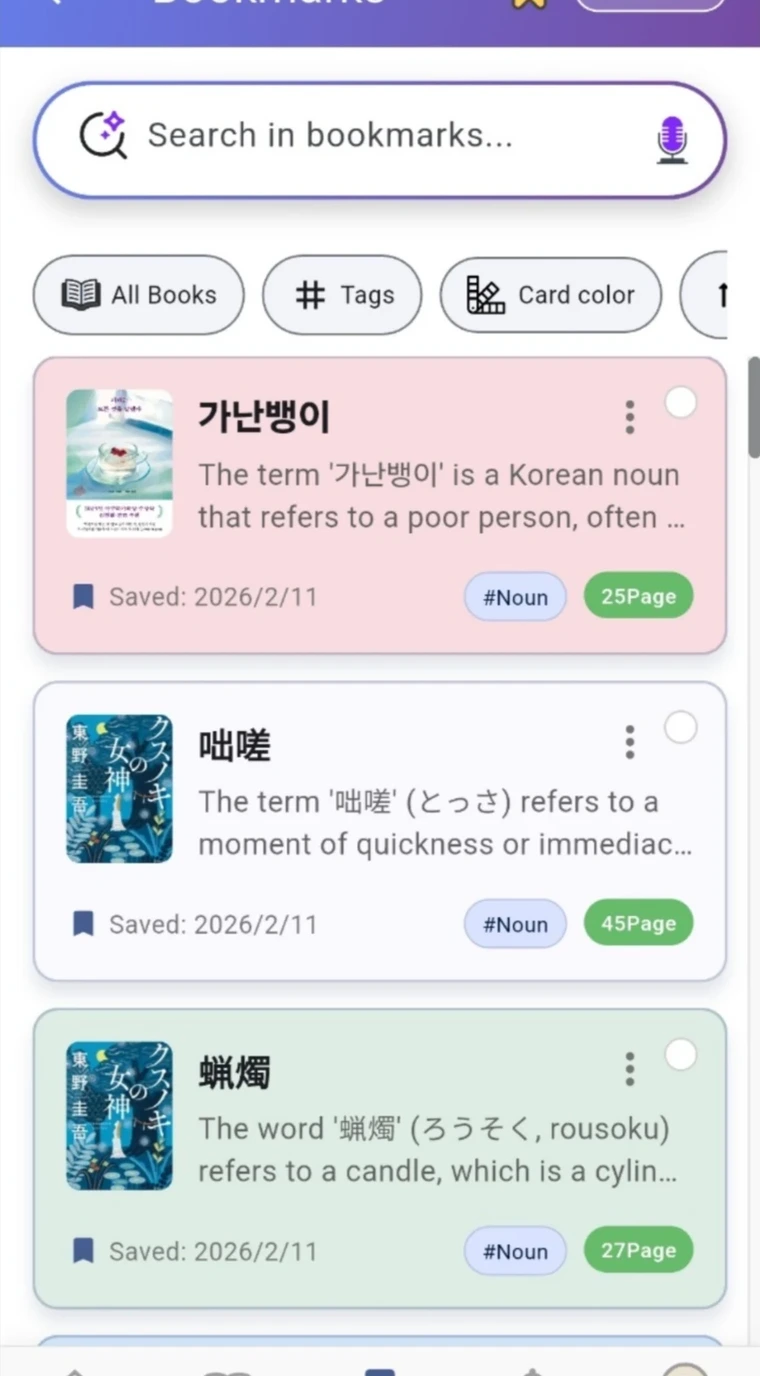
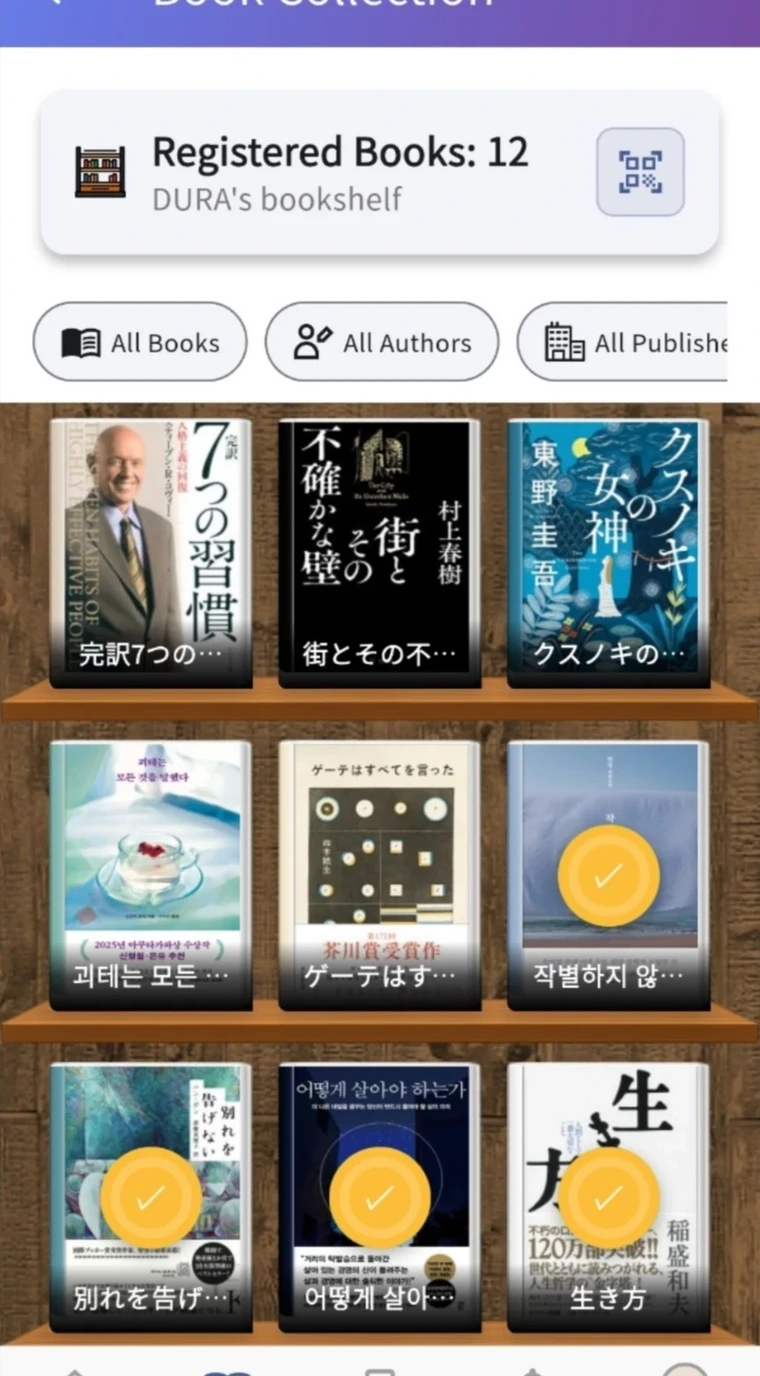
Save readings and meanings with the book and page.Revisit your reading through notes linked to your bookshelf.
① illustrates the capture feature. ② shows actual app screens.