

Learn kanji through reading.
How do you read 逡巡 in Japanese?
That moment before you take the first step.
From words in books to everyday names, discover the joy of reading Japanese kanji, one question at a time.
Unfamiliar kanji? Scan and look it up.Explore the OCR & AI dictionaryHow do you read this in Japanese?
Think of your answer before you look.
HINTShow hint
You cannot decide what to do, so you hesitate to act.
This word describes that feeling.
Picture someone raising a hand to knock on a door, then hesitating.
More on radicals and this quiz’s stroke counts
Describe the shapes you see
You do not need to know the radical’s name. Try these searches for this quiz’s characters.
- For the shape of 逡
kanji with a walk radical and shapes like ム and ハ
- For the shape of 巡
kanji with a walk radical and three く shapes
- Without knowing the radical’s name
how to read kanji with three く shapes side by side
ム, ハ and く describe visual similarities, not formal radicals or character components.
Radicals classify kanji in dictionaries and can offer clues to meaning. A radical alone does not determine a character’s reading or meaning.
- 辵 | shinnyō
- A radical associated with walking and movement, used in 逡.
- 巛 | magarigawa
- A shape representing flowing water. Kanjipedia classifies 巡 under this radical; that does not mean the whole character means “river”.
逡11 strokes total / radical: 辵 (shinnyō)
巡6 strokes total / radical: 巛 (magarigawa)
Counts and radicals follow the Japanese dictionary Kanjipedia. Other dictionaries may classify them differently. Total strokes count the whole character; remaining strokes exclude the radical.
Sources for this quiz’s characters:Kanjipedia: 逡 / Kanjipedia: 巡
ANSWERShow answerHide answer
The answer is
しゅんじゅん
Japanese reading: shunjun
逡巡
What does ‘逡巡’ mean?
To hesitate or hold back because you cannot decide what to do. In fiction, it can describe a character who cannot quite bring themselves to take the next step.
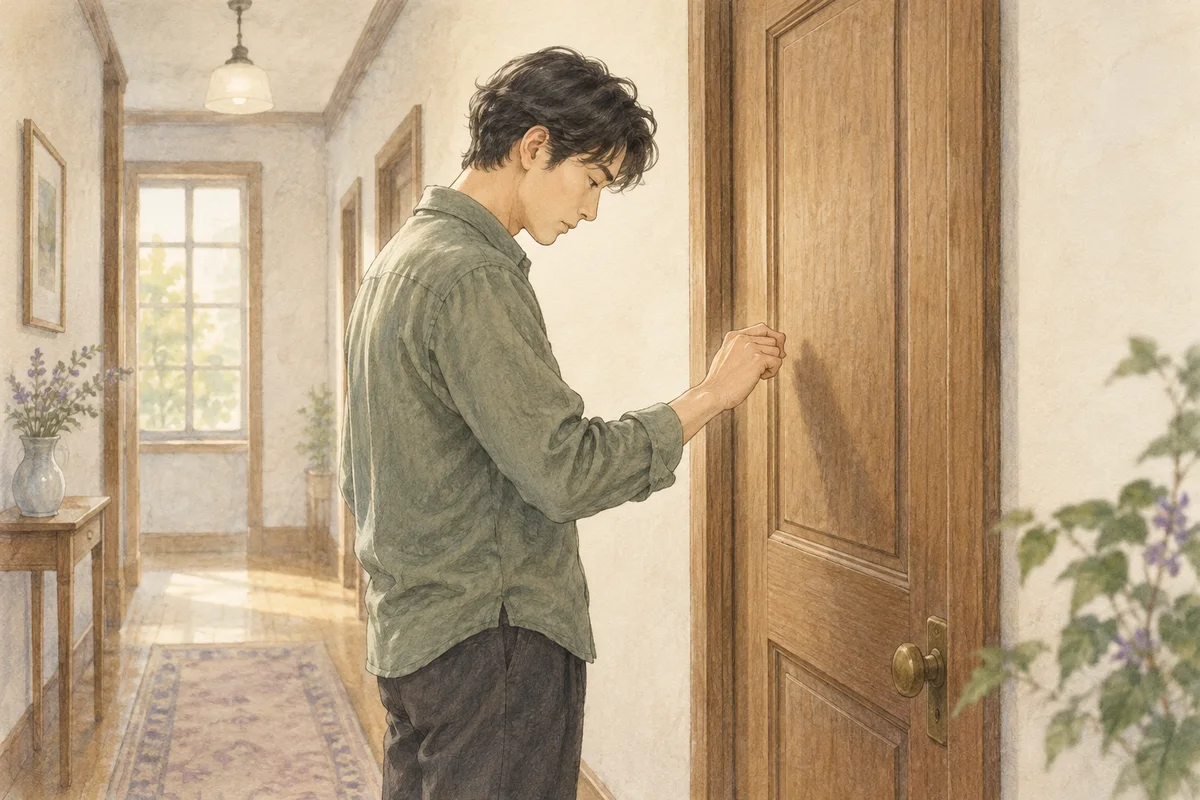
See it in a sentence
扉をノックしようとして、
彼はしばらく逡巡した。He hesitated for a moment before knocking on the door.
The word conveys more than a physical pause: it hints at uncertainty within. Thinking about what holds a character back can add another layer to the story.
Next time you meet this word in a book,
notice what makes the character hesitate.
Reading and definition sources: Kanjipedia: 逡 ↗ / Imidas: 逡巡 ↗
The explanation and example sentence were written for this page.
The answer and explanation stay hidden until you open them.
Don’t let an unfamiliar word stop you.
Learn kanji through reading.
Scan unfamiliar kanji and save them with the book.
Learn kanji as you enjoy the books you love.
Scan & learn
Scan a printed page.
Check the reading and meaning.
Save with a book
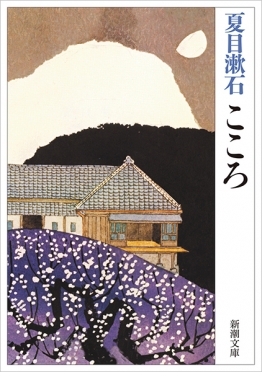
Save kanji with your book.
Revisit them with the scene.
Illustrations and records show how the features work.Cover: Kokoro, Shinchōsha