
Kanji quizzes for the joy of reading
How do you read 承諾 in Japanese?
Agree to what has been requested.
Make the words you meet in books your own, one quiz at a time. Discover Japanese kanji readings, meanings and usage with DuraRing.
Unfamiliar kanji? Scan and look it up.Explore the OCR & AI dictionaryHow do you read this in Japanese?
Think of your answer before you look.
HINTShow hint
Accepting someone’s request or proposal. It begins with shō.
More on radicals and this quiz’s stroke counts
Describe the shapes you see
You do not need to know the radical’s name. Try these searches for this quiz’s characters.
speech radical beside 若 kanji
reading of 承 followed by 言 beside 若
Japanese word starting shō for accepting a request
These searches describe visual similarities, not formal radicals or character components.
承: 8 strokes; radical 手 (hand). 諾: 15 strokes; radical 言 (speech). Distinguish informal descriptions of the shape from the dictionary radical.
承8 strokes / radical: 手 (hand)
諾15 strokes / radical: 言 (speech)
Stroke counts and radicals follow the Japanese dictionary Kanjipedia; other dictionaries may differ.
ANSWERShow answerHide answer
The answer is
しょうだく
shōdaku
承諾
Understand the meaning
English translationConsent / acceptance of a request
Agreeing to a request or requirement from another person. Expressions such as 依頼を承諾する and 承諾を得る describe accepting what has been asked.

See it in a sentence
読書会の司会をお願いすると、先輩は日程を確認したうえで承諾してくれた。When I asked a senior colleague to host the reading group, they checked the date and agreed.
A way to remember
承 is shō and 諾 is daku. 諾 has the speech radical beside 若; connect it with agreeing to a request.
Sources:Kanjipedia: 承諾
The explanation draws on the sources below. Examples were written for this page.
Explore the word further
Clarify the scope of what was accepted
Use 承諾の返事をする or 本人の承諾を得る. For a request involving a date or responsibilities, confirm the scope of the agreement to avoid misunderstandings.
例:担当する時間と役割を確かめてから、当日の案内係を務めることを承諾した。
After checking the hours and duties, I agreed to serve as a guide on the day.
Distinguish acceptance from acknowledging receipt
A message saying “I received the materials” does not necessarily accept the request. Make clear whether you are agreeing or are still reviewing the details.
References for this explanation:Kanjipedia: 承諾
Explanation checked on 2026-10-25. Additional examples were written by DuraRing for this page.
The answer and explanation stay hidden until you open them.
Read and learn with  .
Photograph unfamiliar kanji, look them up and save them in the app, linked to your book.A reading app that helps you revisit words in the context of your books.
Capture and look up kanji
Photograph a printed page.Check kanji readings and meanings.
Save words. Connect them to books.
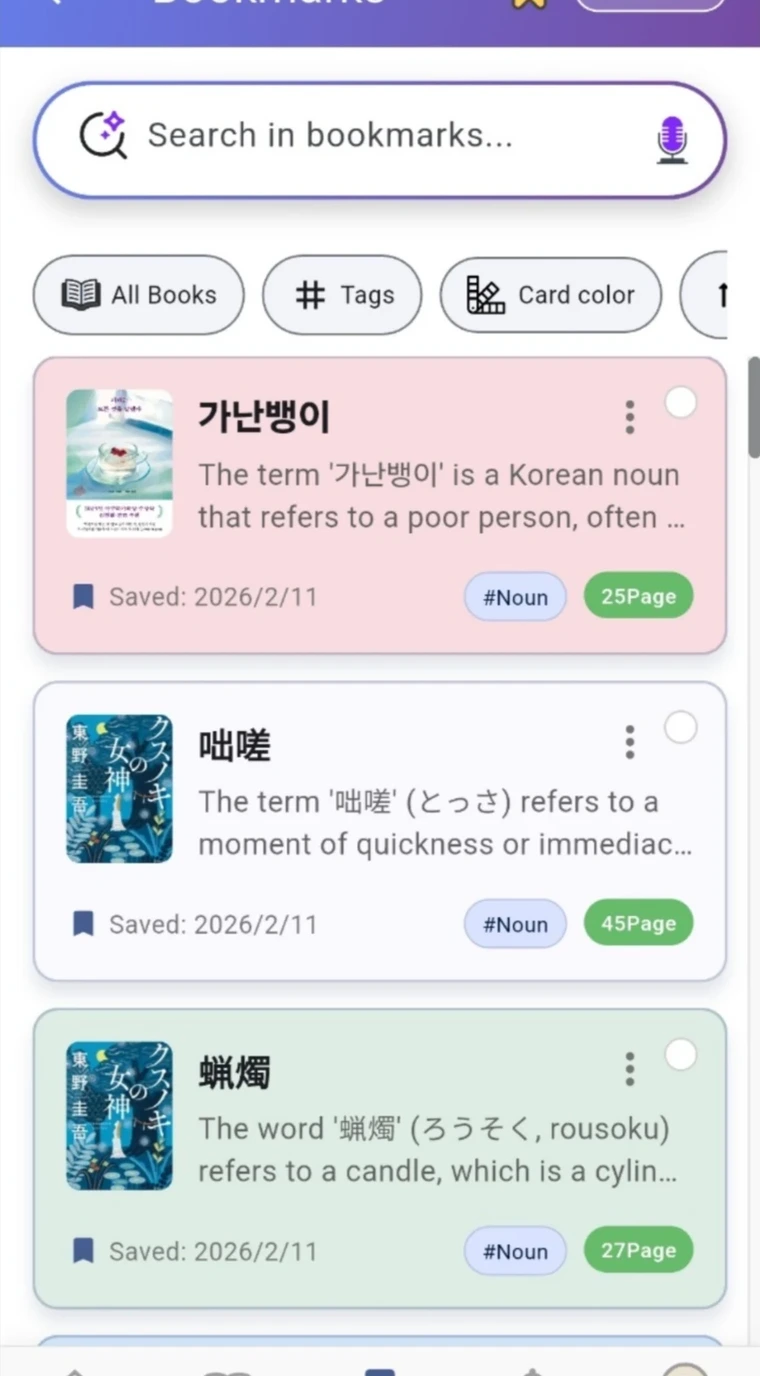
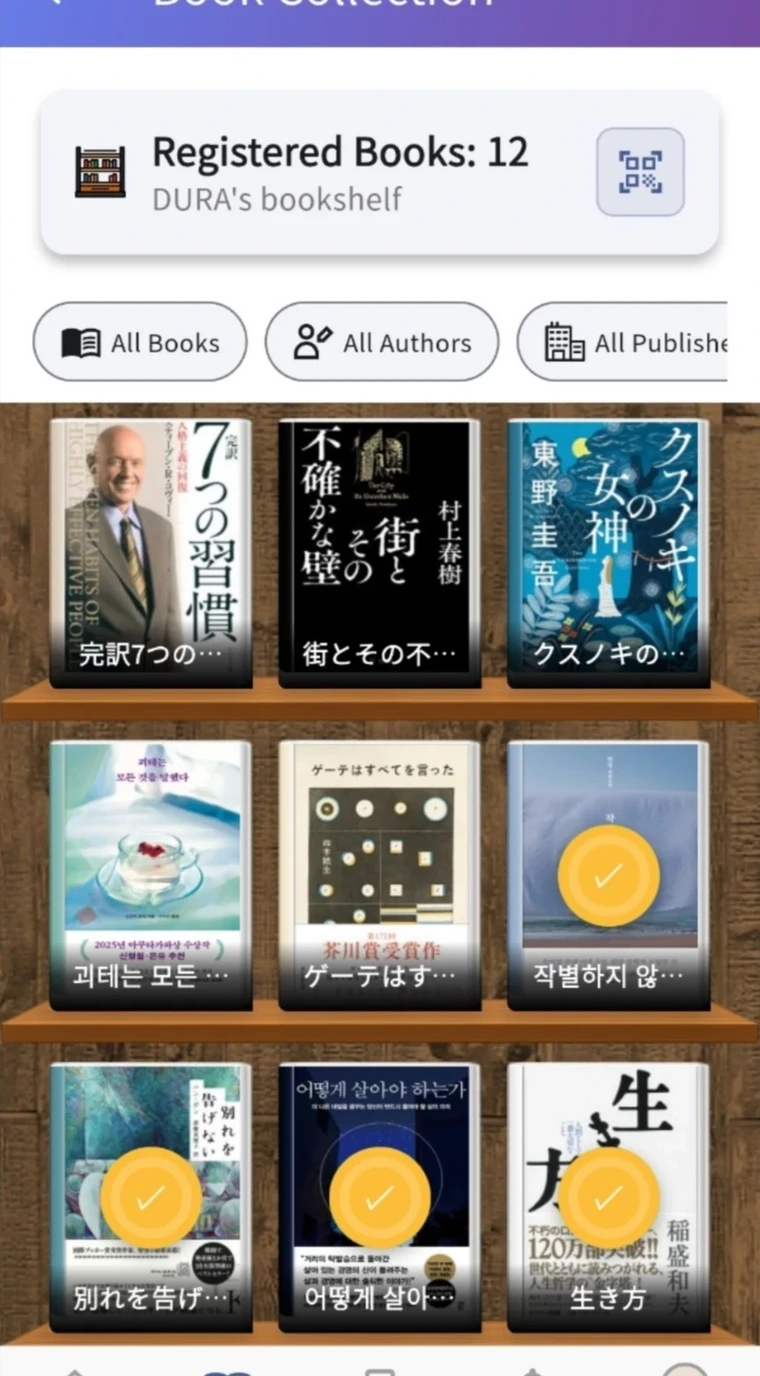
Save readings and meanings with the book and page.Revisit your reading through notes linked to your bookshelf.
① illustrates the capture feature. ② shows actual app screens.