
Kanji quizzes for the joy of reading
How do you read 踏襲 in Japanese?
Carry forward an established method.
Make the words you meet in books your own, one quiz at a time. Discover Japanese kanji readings, meanings and usage with DuraRing.
Unfamiliar kanji? Scan and look it up.Explore the OCR & AI dictionaryHow do you read this in Japanese?
Think of your answer before you look.
HINTShow hint
Continuing a method or procedure used before. The reading begins with tō.
More on radicals and this quiz’s stroke counts
Describe the shapes you see
You do not need to know the radical’s name. Try these searches for this quiz’s characters.
foot radical beside 水 over 日 kanji
kanji with 龍 above 衣
Japanese word starting tō for following an earlier method
These searches describe visual similarities, not formal radicals or character components.
踏: 15 strokes; radical 足 (foot). 襲: 22 strokes; radical 衣 (clothing). Distinguish informal descriptions of the shape from the dictionary radical.
踏15 strokes / radical: 足 (foot)
襲22 strokes / radical: 衣 (clothing)
Stroke counts and radicals follow the Japanese dictionary Kanjipedia; other dictionaries may differ.
ANSWERShow answerHide answer
The answer is
とうしゅう
tōshū
踏襲
Understand the meaning
English translationFollowing an established approach
Following an existing way of doing things. Common combinations include 前例を踏襲する and 従来の方法を踏襲する.

See it in a sentence
今年の展示会は、受付の手順だけ昨年の方法を踏襲した。For this year’s exhibition, we followed last year’s approach only for the reception procedure.
A way to remember
Although 踏 can be read fumu, here it is tō. 襲 is shū, giving tōshū. Both vowels are long.
Sources:Kanjipedia: 踏襲
The explanation draws on the sources below. Examples were written for this page.
Explore the word further
Specify what will be carried forward
Name the object, as in 方針を踏襲する or 形式を踏襲する. If only part of the approach is retained, distinguish that part from the changes.
例:案内文の構成は従来の形式を踏襲し、申し込み方法の説明だけ書き直した。
We retained the established structure of the notice and rewrote only the explanation of how to apply.
The Japanese word is not always critical
It can occur in criticism of unthinking repetition, but also in a description of retaining a proven method. Read the surrounding explanation to determine the speaker’s evaluation.
References for this explanation:Kanjipedia: 踏襲
Explanation checked on 2026-10-25. Additional examples were written by DuraRing for this page.
The answer and explanation stay hidden until you open them.
Read and learn with  .
Photograph unfamiliar kanji, look them up and save them in the app, linked to your book.A reading app that helps you revisit words in the context of your books.
Capture and look up kanji
Photograph a printed page.Check kanji readings and meanings.
Save words. Connect them to books.
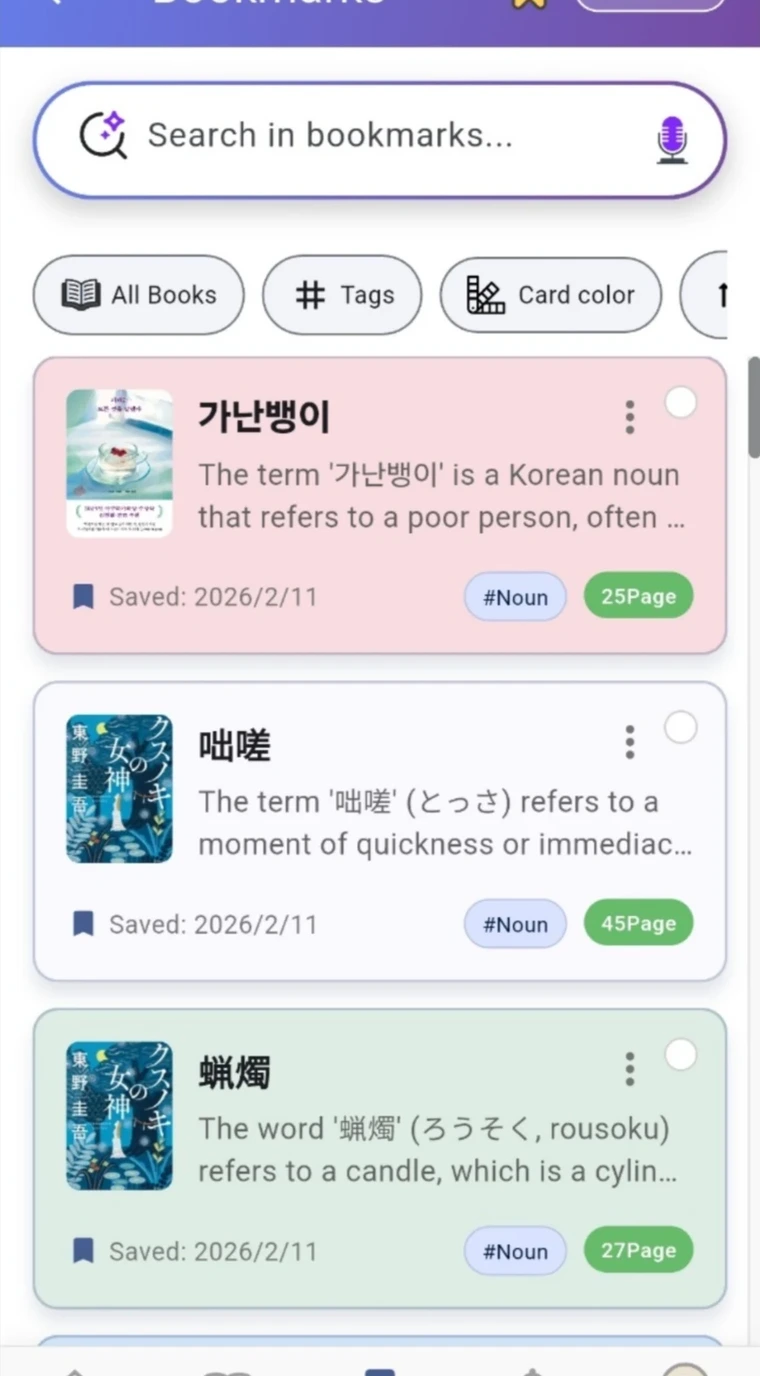
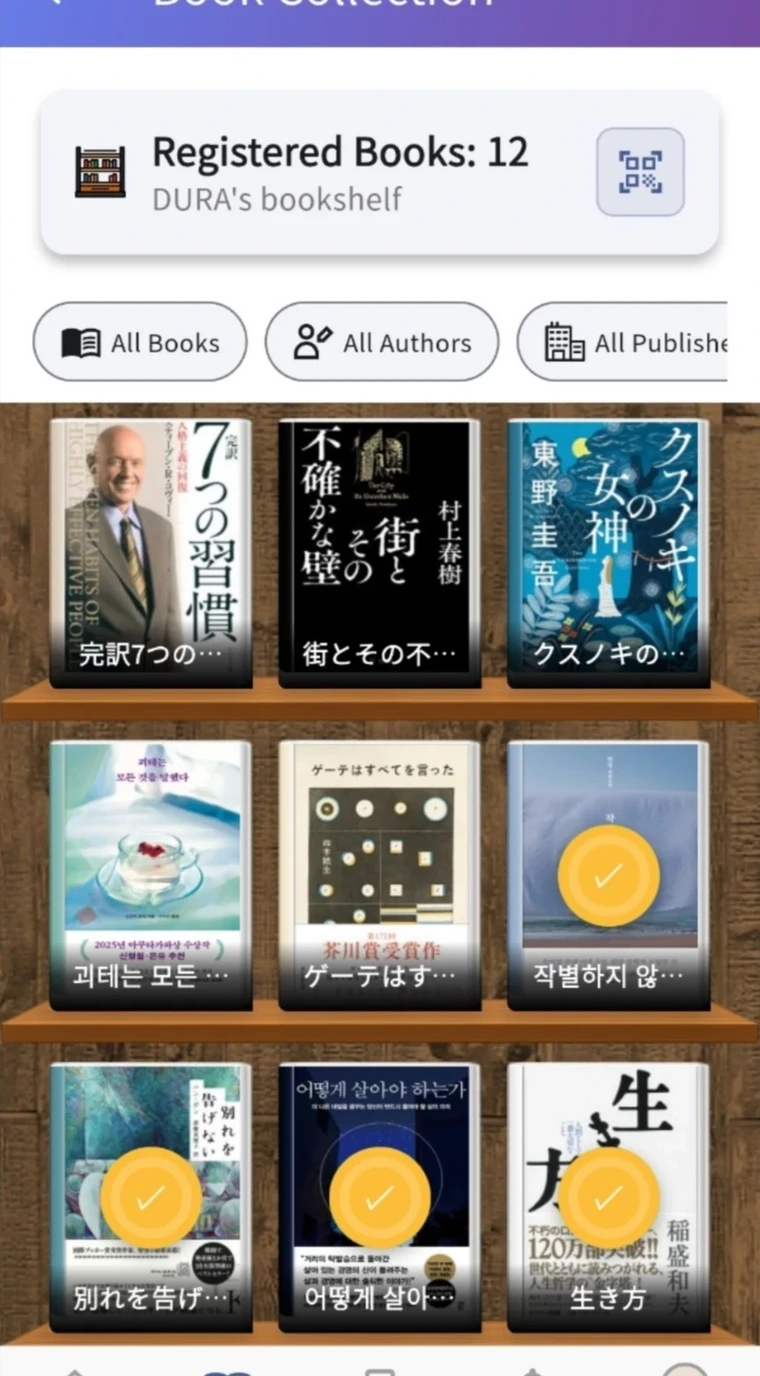
Save readings and meanings with the book and page.Revisit your reading through notes linked to your bookshelf.
① illustrates the capture feature. ② shows actual app screens.