
Kanji quizzes for the joy of reading
How do you read 精査 in Japanese?
Examine the details carefully.
Make the words you meet in books your own, one quiz at a time. Discover Japanese kanji readings, meanings and usage with DuraRing.
Unfamiliar kanji? Scan and look it up.Explore the OCR & AI dictionaryHow do you read this in Japanese?
Think of your answer before you look.
HINTShow hint
Examining something in detail rather than just taking a quick look, as in a close review of documents.
More on radicals and this quiz’s stroke counts
Describe the shapes you see
You do not need to know the radical’s name. Try these searches for this quiz’s characters.
rice radical beside 青 kanji
kanji with 木 above 旦
Japanese word starting sei for checking details
These searches describe visual similarities, not formal radicals or character components.
精: 14 strokes; radical 米 (rice). 査: 9 strokes; radical 木 (tree). Distinguish informal descriptions of the shape from the dictionary radical.
精14 strokes / radical: 米 (rice)
査9 strokes / radical: 木 (tree)
Stroke counts and radicals follow the Japanese dictionary Kanjipedia; other dictionaries may differ.
ANSWERShow answerHide answer
The answer is
せいさ
seisa
精査
Understand the meaning
English translationClose examination / detailed review
Examining something closely, down to its details. It can describe a careful review of documents or records, including supporting information and individual entries.

See it in a sentence
集計結果を精査したところ、同じ回答が二度数えられていることに気づいた。A detailed review of the totals revealed that the same response had been counted twice.
A way to remember
精 has 米 beside 青, while 査 looks like 木 above 旦. Their readings here are sei and sa.
Sources:Kanjipedia: 精査
The explanation draws on the sources below. Examples were written for this page.
Explore the word further
State the object and focus of the review
Use 内容を精査する or 精査した結果. In a work message, state what you will examine and the criteria you will use.
例:提出前に参加者名簿を精査し、氏名の重複と連絡先の抜けを確認した。
Before submission, I reviewed the participant list closely for duplicate names and missing contact details.
Review does not by itself mean acceptance
精査します promises a detailed examination; it does not say that the information is correct or that a proposal has been accepted. Communicate the resulting decision separately when needed.
References for this explanation:Kanjipedia: 精査
Explanation checked on 2026-10-25. Additional examples were written by DuraRing for this page.
The answer and explanation stay hidden until you open them.
Read and learn with  .
Photograph unfamiliar kanji, look them up and save them in the app, linked to your book.A reading app that helps you revisit words in the context of your books.
Capture and look up kanji
Photograph a printed page.Check kanji readings and meanings.
Save words. Connect them to books.
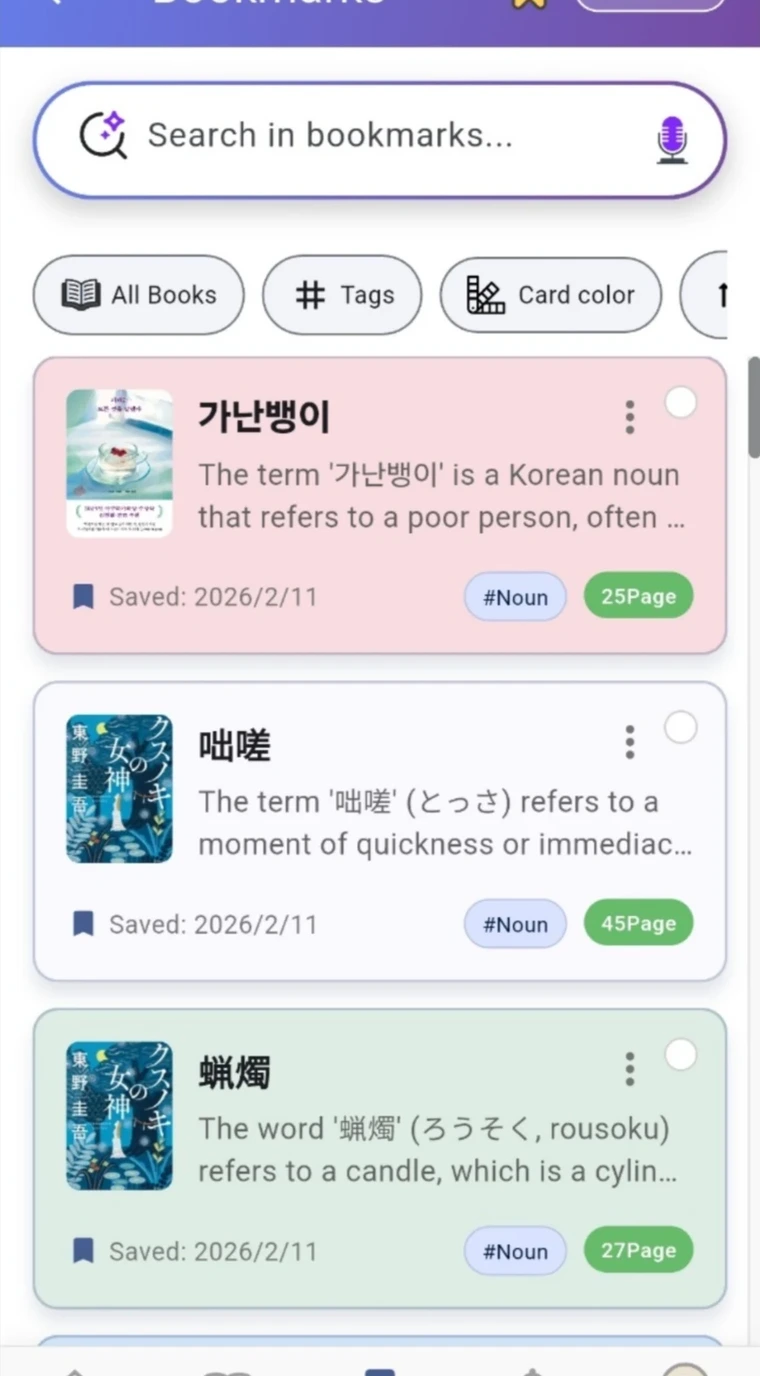
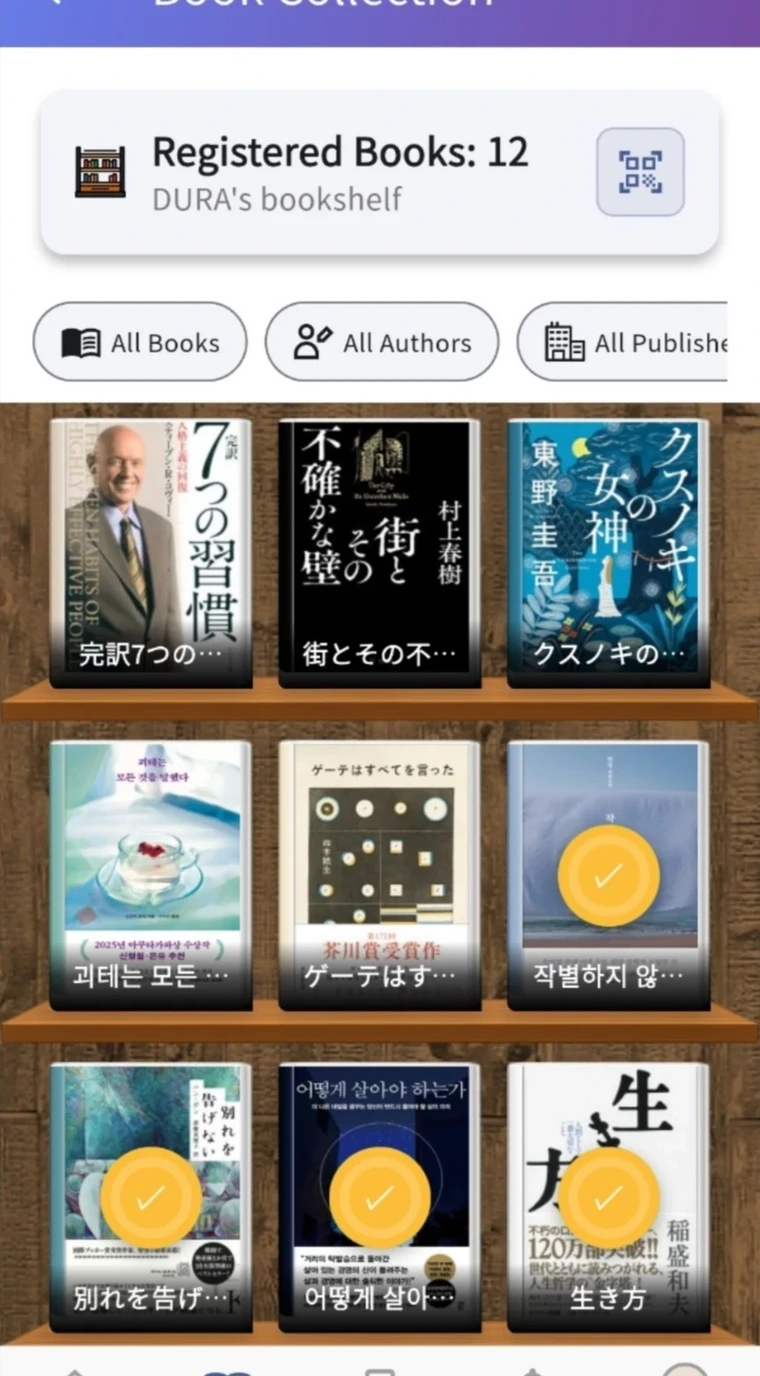
Save readings and meanings with the book and page.Revisit your reading through notes linked to your bookshelf.
① illustrates the capture feature. ② shows actual app screens.