
Kanji quizzes for the joy of reading
How do you read 更迭 in Japanese?
The person holding a post is replaced.
Make the words you meet in books your own, one quiz at a time. Discover Japanese kanji readings, meanings and usage with DuraRing.
Unfamiliar kanji? Scan and look it up.Explore the OCR & AI dictionaryHow do you read this in Japanese?
Think of your answer before you look.
HINTShow hint
Replacing someone who holds a post with another person. 迭 has the same sound as 鉄.
More on radicals and this quiz’s stroke counts
Describe the shapes you see
You do not need to know the radical’s name. Try these searches for this quiz’s characters.
kanji with 失 inside 辶
seven-stroke kanji containing shapes like 一 and 日
Japanese word beginning 更 followed by 辶 and 失
These searches describe visual similarities, not formal radicals or character components.
更: 7 strokes; radical 曰 (say). 迭: 8 strokes; radical 辵 (movement). Visual search descriptions are distinct from dictionary radical classifications.
更7 strokes / radical: 曰 (say)
迭8 strokes / radical: 辵 (movement)
Stroke counts and radicals follow the Japanese dictionary Kanjipedia; other dictionaries may differ.
ANSWERShow answerHide answer
The answer is
こうてつ
kōtetsu
更迭
Understand the meaning
English translationReplacement of a person in office
Replacing the person holding a particular office or post. It appears in formal accounts of changes in leadership or responsibility.

See it in a sentence
運営の混乱を受け、団体は責任者の更迭と新しい担当者の就任を発表した。Following confusion in its operations, the organization announced the replacement of the person in charge and the appointment of a successor.
A way to remember
更 is kō and 迭 is tetsu. 迭 contains 失 within the movement radical; it is a different character from 鉄.
Sources:Kanjipedia: 更迭
The explanation draws on the sources below. Examples were written for this page.
Explore the word further
Identify the post whose holder is changing
Use 責任者を更迭する or 更迭を発表する. In an account of a personnel change, include confirmed details such as the post involved and the successor.
例:発表文には責任者の更迭だけでなく、後任が担当を引き継ぐ日も記されていた。
The announcement stated not only that the person in charge was being replaced but also when the successor would take over.
Do not infer the reason from the word alone
更迭 focuses on replacing the holder of a post. The word alone does not establish why the change occurred or whether the person left the organization; read those details separately in the announcement.
References for this explanation:Kanjipedia: 更迭
Explanation checked on 2026-10-26. Additional examples were written by DuraRing for this page.
The answer and explanation stay hidden until you open them.
Read and learn with  .
Photograph unfamiliar kanji, look them up and save them in the app, linked to your book.A reading app that helps you revisit words in the context of your books.
Capture and look up kanji
Photograph a printed page.Check kanji readings and meanings.
Save words. Connect them to books.
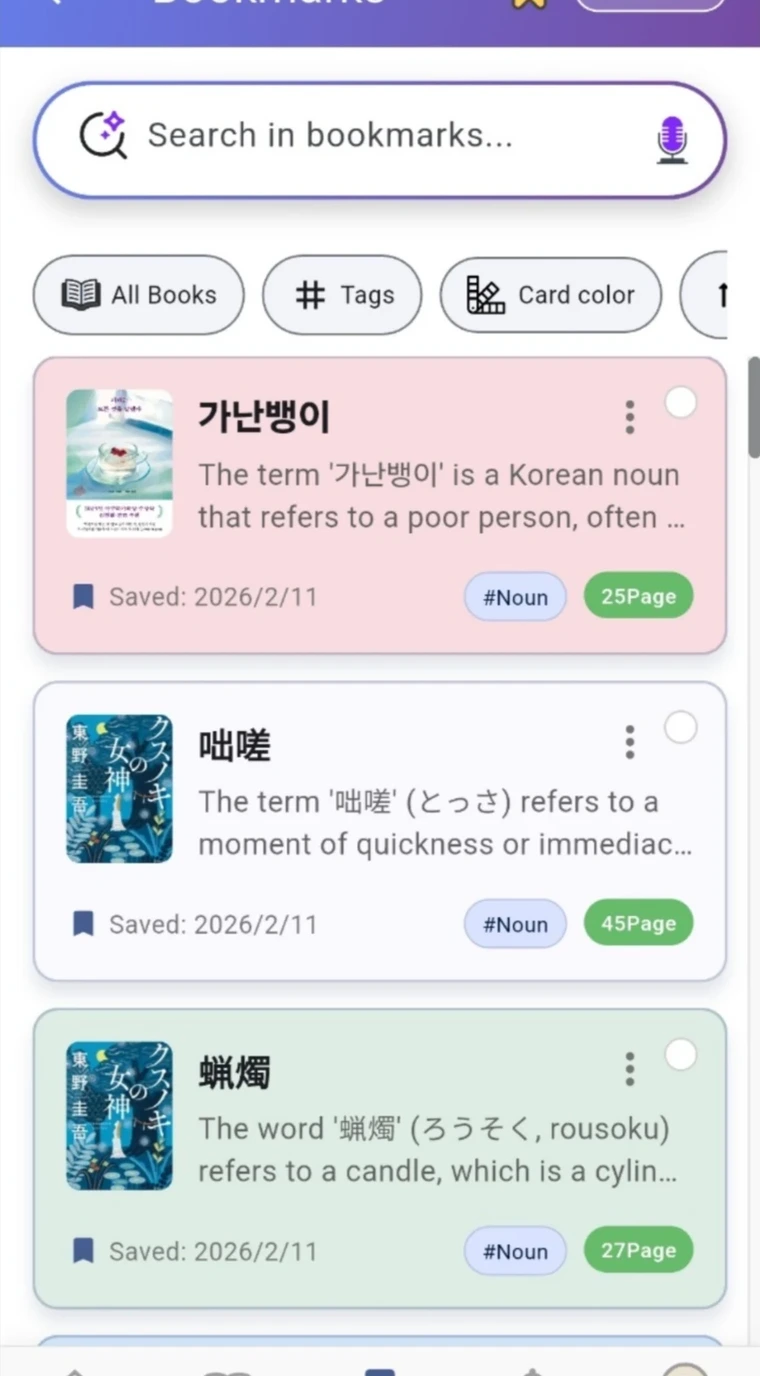
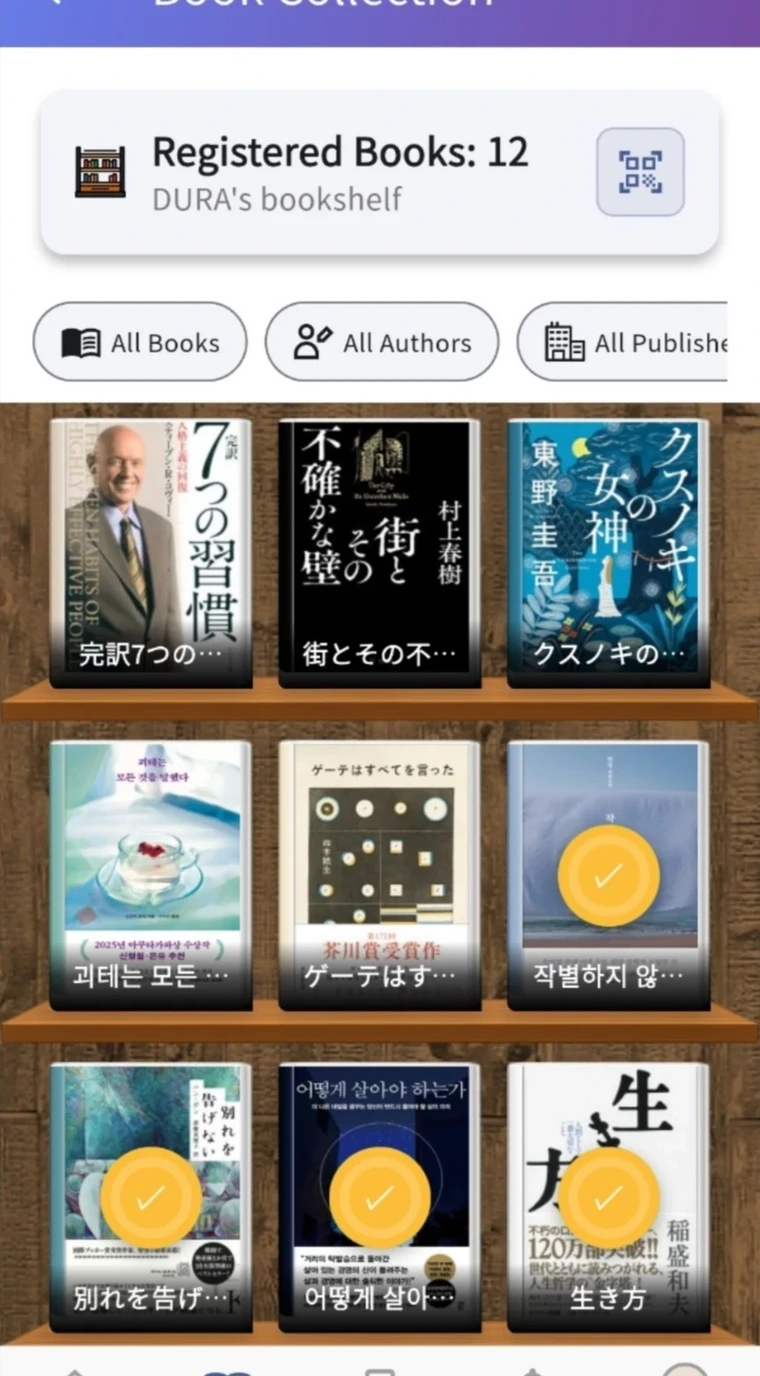
Save readings and meanings with the book and page.Revisit your reading through notes linked to your bookshelf.
① illustrates the capture feature. ② shows actual app screens.