
Kanji quizzes for the joy of reading
How do you read 境内 in Japanese?
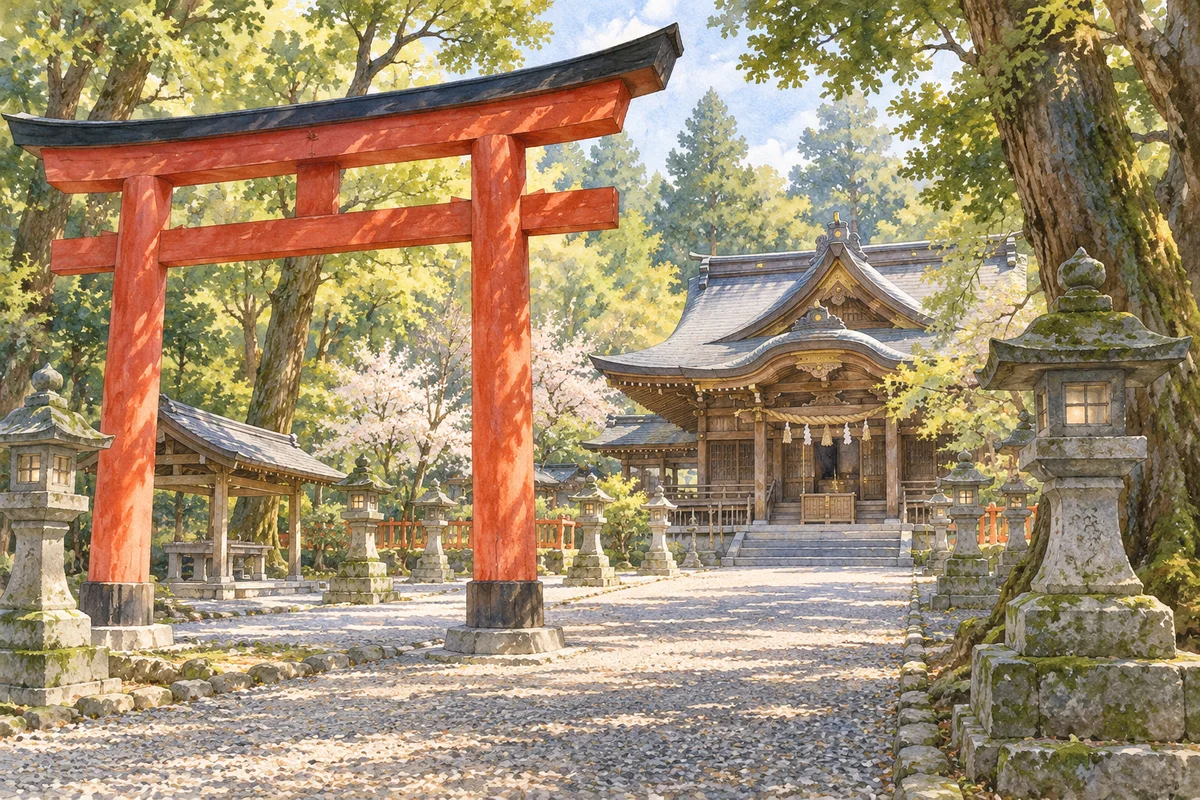
Inside the temple or shrine grounds.
Make the words you meet in books your own, one quiz at a time. Discover Japanese kanji readings, meanings and usage with DuraRing.
Unfamiliar kanji? Scan and look it up.Explore the OCR & AI dictionaryHow do you read this in Japanese?
Think of your answer before you look.
HINTShow hint
The grounds of a shrine or temple. Both characters use readings that may be less familiar.
More on radicals and this quiz’s stroke counts
Describe the shapes you see
You do not need to know the radical’s name. Try these searches for this quiz’s characters.
earth radical beside 竟
境 followed by 内 shrine reading
土 beside 音 and a legs-like shape
These searches describe visual similarities, not formal radicals or character components.
境 has 14 strokes and the radical 土 (earth). 内 has 4 strokes and the radical 入 (enter). Radicals are dictionary classifications. The shape-based search phrases below provide other lookup clues.
境14 strokes / radical: 土 (earth)
内4 strokes / radical: 入 (enter)
Stroke counts and radicals follow the Japanese dictionary Kanjipedia; other dictionaries may differ.
ANSWERShow answerHide answer
The answer is
けいだい
keidai
境内
Understand the meaning
English translationShrine or temple grounds
The grounds within a shrine or temple precinct, including paths and gardens as well as buildings.
See it in a sentence
朝の境内を歩くと、砂利を踏む音だけが聞こえた。Walking through the shrine grounds in the morning, I heard only my footsteps on the gravel.
A way to remember
Read it keidai, not kyōnai: 境 is kei and 内 is dai in this combination.
Sources:Kanjipedia: 境内
The explanation draws on the sources below. Examples were written for this page.
Explore the word further
Using 境内
境内を歩く and 境内の木々 refer to shrine or temple grounds. They need not place someone inside a building.
例:参拝を終えたあと、境内の大きな木の下で休んだ。
After paying our respects, we rested beneath a large tree in the grounds.
Reading and meaning in context
内 refers to being within the grounds, not necessarily indoors. Learn the pair with the reading けいだい.
References for this explanation:Kanjipedia: 境内
Explanation checked on 2026-10-23. Additional examples were written by DuraRing for this page.
The answer and explanation stay hidden until you open them.
Read and learn with  .
Photograph unfamiliar kanji, look them up and save them in the app, linked to your book.A reading app that helps you revisit words in the context of your books.
Capture and look up kanji
Photograph a printed page.Check kanji readings and meanings.
Save words. Connect them to books.
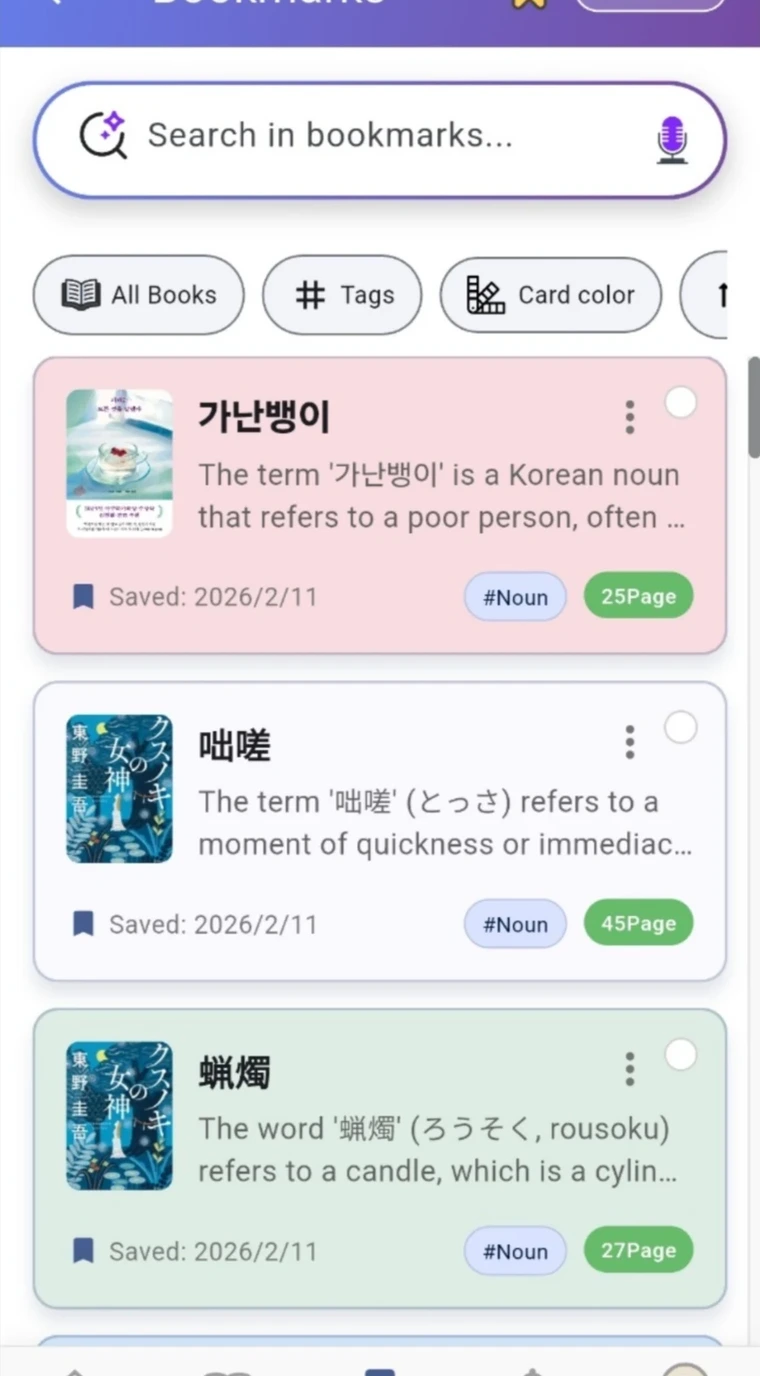
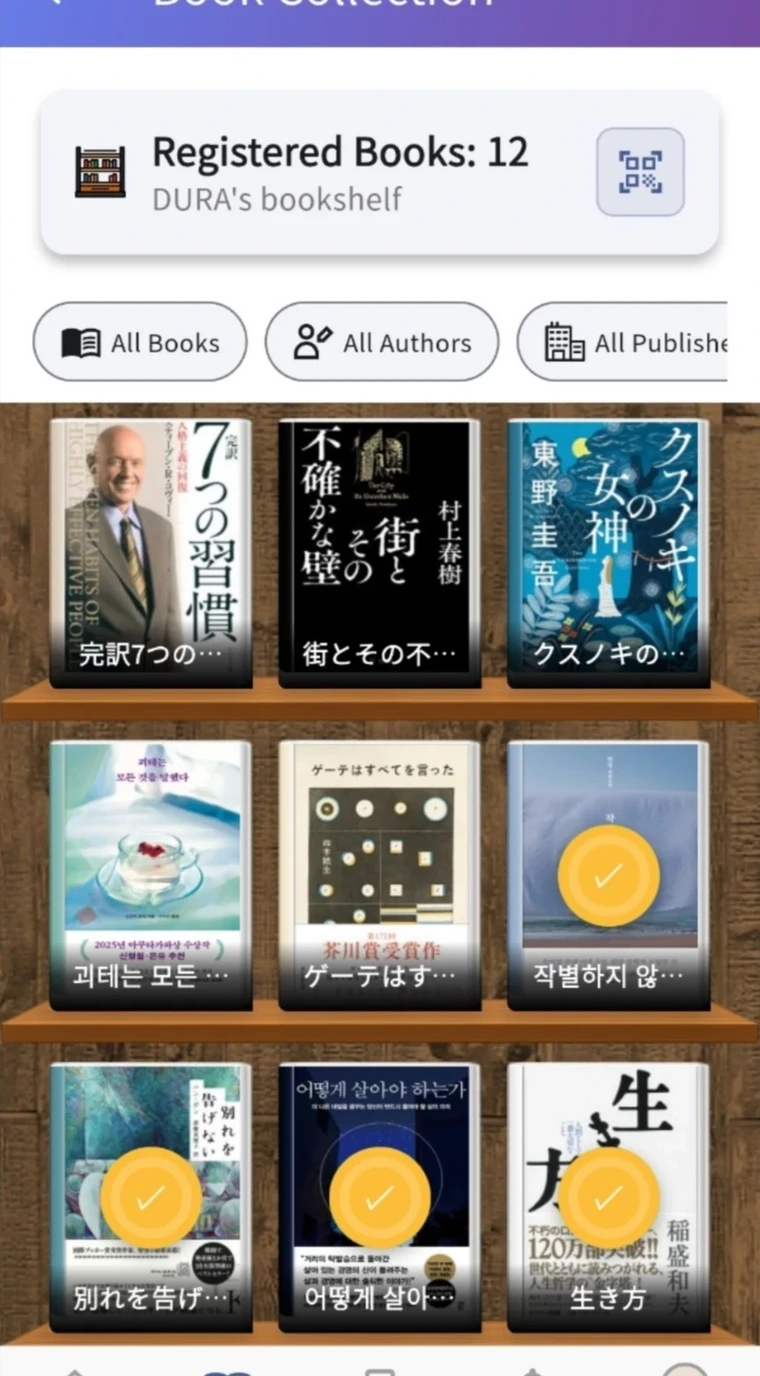
Save readings and meanings with the book and page.Revisit your reading through notes linked to your bookshelf.
① illustrates the capture feature. ② shows actual app screens.