
Kanji quizzes for the joy of reading
How do you read 依存 in Japanese?
Relying on something for support.
Make the words you meet in books your own, one quiz at a time. Discover Japanese kanji readings, meanings and usage with DuraRing.
Unfamiliar kanji? Scan and look it up.Explore the OCR & AI dictionaryHow do you read this in Japanese?
Think of your answer before you look.
HINTShow hint
Relying on something else to function. 存 has more than one accepted reading here.
More on radicals and this quiz’s stroke counts
Describe the shapes you see
You do not need to know the radical’s name. Try these searches for this quiz’s characters.
person radical beside 衣 kanji
kanji like 在 with 子 below
依 followed by 存 meaning reliance
These searches describe visual similarities, not formal radicals or character components.
依: 8 strokes; radical 亻 (person). 存: 6 strokes; radical 子 (child). Visual search descriptions are distinct from dictionary radical classifications.
依8 strokes / radical: 亻 (person)
存6 strokes / radical: 子 (child)
Stroke counts and radicals follow the Japanese dictionary Kanjipedia; other dictionaries may differ.
ANSWERShow answerHide answer
The answer is
いそん
ison / izon
依存
Understand the meaning
English translationDependence / reliance
Relying on something else, such as another person’s help, resources, or a condition that supports an activity.

See it in a sentence
この町の移動は、一本のバス路線に大きく依存している。Transport in this town depends heavily on a single bus route.
A way to remember
Both ison and izon are recorded. Kanjipedia uses ison as its headword and explicitly also gives izon.
Sources:Kanjipedia: 依存
The explanation draws on the sources below. Examples were written for this page.
Explore the word further
Name what provides the support
Use に to name the support, as in 経験に依存する or 一人の担当者に依存する. This makes the dependency clear.
例:特定の人の記憶に依存しないよう、作業の手順を書き残した。
We documented the procedure so it would not depend on one person’s memory.
Do not reject one recorded reading
Both readings are shown as answers. They do not indicate different senses here: each expresses reliance.
References for this explanation:Kanjipedia: 依存
Explanation checked on 2026-11-02. Additional examples were written by DuraRing for this page.
The answer and explanation stay hidden until you open them.
Read and learn with  .
Photograph unfamiliar kanji, look them up and save them in the app, linked to your book.A reading app that helps you revisit words in the context of your books.
Capture and look up kanji
Photograph a printed page.Check kanji readings and meanings.
Save words. Connect them to books.
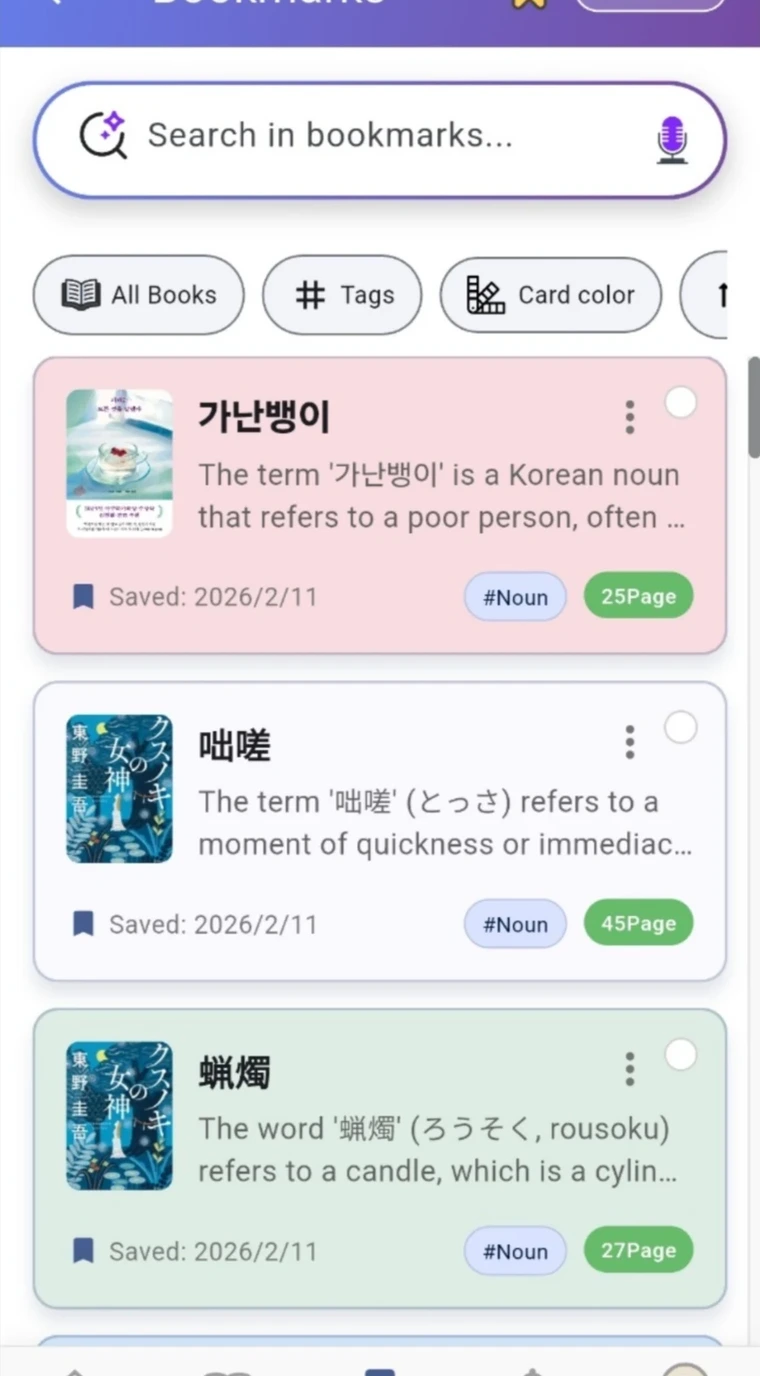
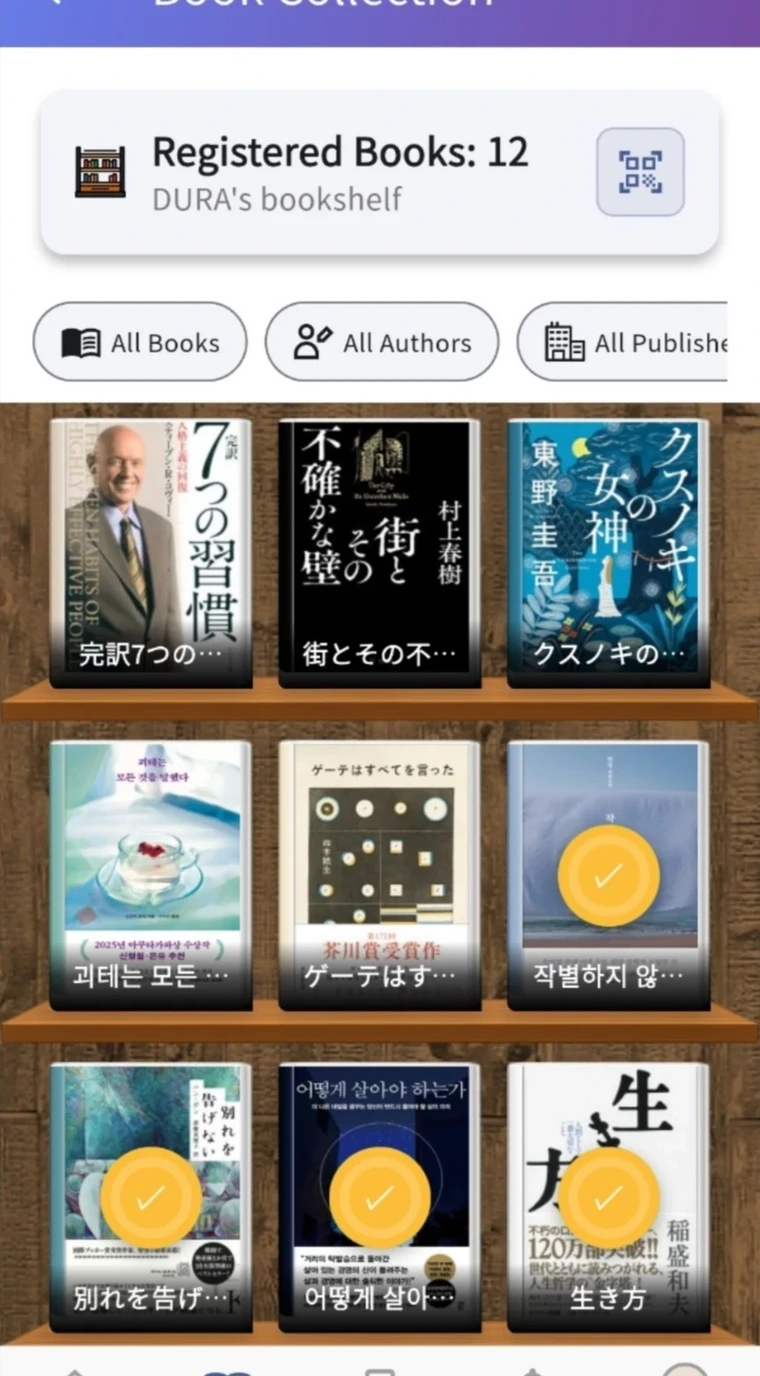
Save readings and meanings with the book and page.Revisit your reading through notes linked to your bookshelf.
① illustrates the capture feature. ② shows actual app screens.