
Kanji quizzes for the joy of reading
How do you read 享受 in Japanese?
Enjoy the benefits that are available.
Make the words you meet in books your own, one quiz at a time. Discover Japanese kanji readings, meanings and usage with DuraRing.
Unfamiliar kanji? Scan and look it up.Explore the OCR & AI dictionaryHow do you read this in Japanese?
Think of your answer before you look.
HINTShow hint
Receiving benefits and enjoying them as part of one’s own life.
More on radicals and this quiz’s stroke counts
Describe the shapes you see
You do not need to know the radical’s name. Try these searches for this quiz’s characters.
kanji with 亠 口 and 子
享 from 享年 and 受 from receive
kanji like 京 with 子 below reading
These searches describe visual similarities, not formal radicals or character components.
享: 8 strokes; radical 亠 (lid). 受: 8 strokes; radical 又 (again). Visual search descriptions are distinct from dictionary radical classifications.
享8 strokes / radical: 亠 (lid)
受8 strokes / radical: 又 (again)
Stroke counts and radicals follow the Japanese dictionary Kanjipedia; other dictionaries may differ.
ANSWERShow answerHide answer
The answer is
きょうじゅ
kyōju
享受
Understand the meaning
English translationEnjoying or benefiting from something
Receiving and enjoying a benefit, including intangible advantages such as convenience or freedom.

See it in a sentence
歩道が整い、住民は安全に歩ける便利さを享受している。With the sidewalks improved, residents enjoy the convenience of walking safely.
A way to remember
享 is kyō and 受 is ju. 享 has 亠 above 口 and 子.
Sources:Kanjipedia: 享受
The explanation draws on the sources below. Examples were written for this page.
Explore the word further
Identify the benefit being enjoyed
Use 恩恵を享受する or 自由を享受する. State what advantage improves the person’s life.
例:新しい図書館ができ、地域の人々は学べる場所が増えた恩恵を享受した。
The new library allowed local residents to enjoy the benefit of another place to learn.
More than physically receiving an object
享受 emphasizes enjoying a benefit after receiving it. It suits gaining an advantage more than simply taking a parcel into one’s hands.
References for this explanation:Kanjipedia: 享受
Explanation checked on 2026-11-02. Additional examples were written by DuraRing for this page.
The answer and explanation stay hidden until you open them.
Read and learn with  .
Photograph unfamiliar kanji, look them up and save them in the app, linked to your book.A reading app that helps you revisit words in the context of your books.
Capture and look up kanji
Photograph a printed page.Check kanji readings and meanings.
Save words. Connect them to books.
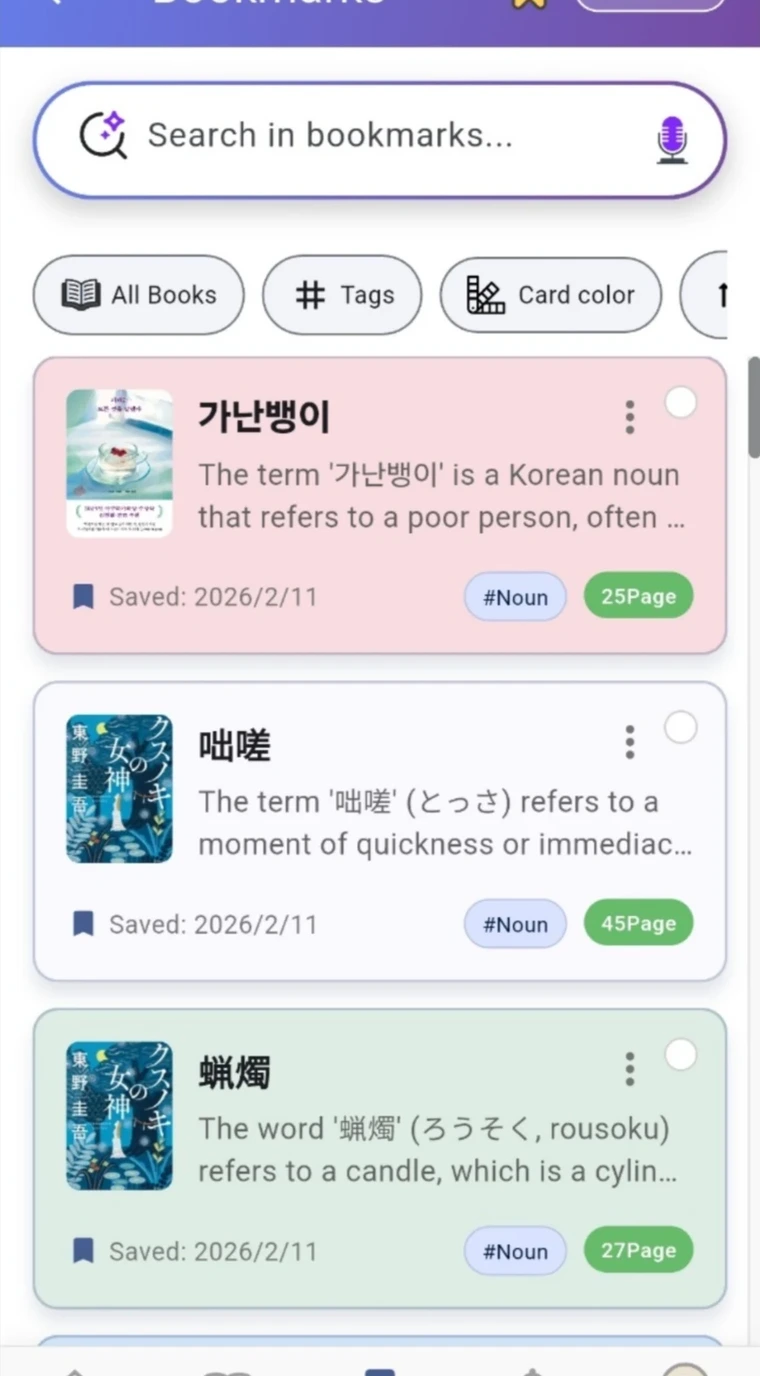
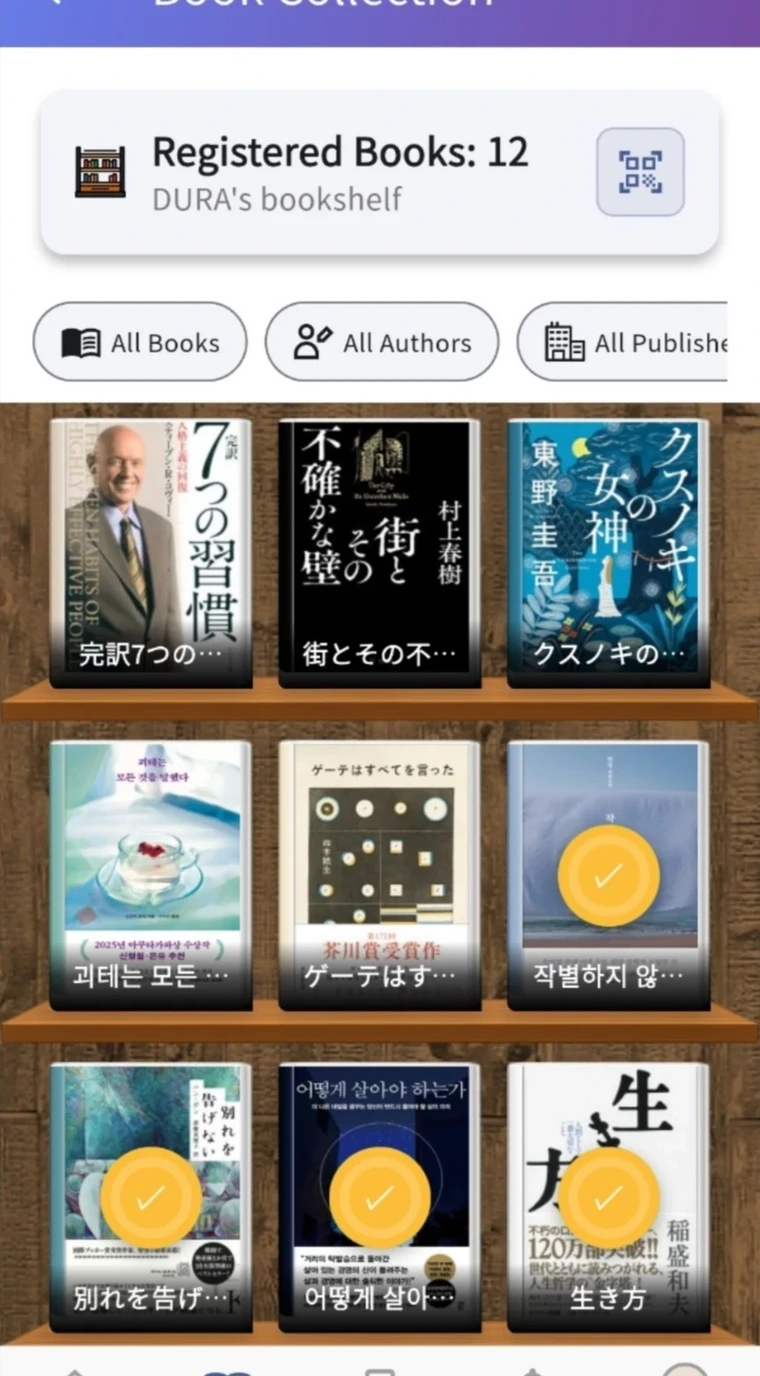
Save readings and meanings with the book and page.Revisit your reading through notes linked to your bookshelf.
① illustrates the capture feature. ② shows actual app screens.