
Kanji quizzes for the joy of reading
How do you read 破綻 in Japanese?
An arrangement ceases to hold together.
Make the words you meet in books your own, one quiz at a time. Discover Japanese kanji readings, meanings and usage with DuraRing.
Unfamiliar kanji? Scan and look it up.Explore the OCR & AI dictionaryHow do you read this in Japanese?
Think of your answer before you look.
HINTShow hint
Something no longer working or holding together, including a plan or explanation.
More on radicals and this quiz’s stroke counts
Describe the shapes you see
You do not need to know the radical’s name. Try these searches for this quiz’s characters.
stone beside 皮 and thread beside 定
reading of 糸 beside 定
compound with 破 followed by 14-stroke thread radical kanji
These searches describe visual similarities, not formal radicals or character components.
破: 10 strokes; radical 石 (stone). 綻: 14 strokes; radical 糸 (thread). Visual search descriptions are distinct from dictionary radical classifications.
破10 strokes / radical: 石 (stone)
綻14 strokes / radical: 糸 (thread)
Stroke counts and radicals follow the Japanese dictionary Kanjipedia; other dictionaries may differ.
ANSWERShow answerHide answer
The answer is
はたん
hatan
破綻
Understand the meaning
English translationBreakdown / collapse
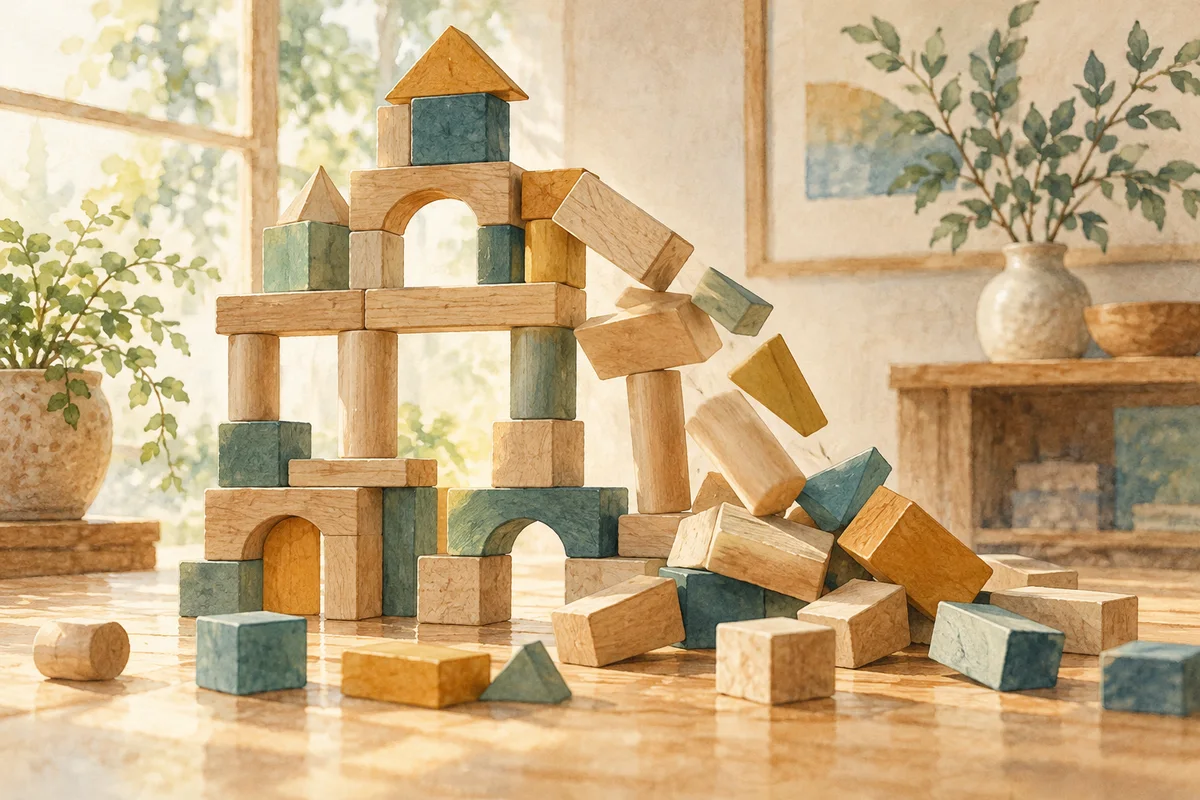
The breakdown of something that can no longer be maintained, such as a plan, relationship, or line of reasoning.
See it in a sentence
必要な人数を確保できず、当初の運営計画は破綻した。The original operating plan fell apart when we could not secure enough staff.
A way to remember
破 is ha and 綻 is tan. 綻 has 糸 beside 定 and also has the native reading hokorobiru.
Sources:Kanjipedia: 破綻
The explanation draws on the sources below. Examples were written for this page.
Explore the word further
Locate the point of breakdown
Use 計画が破綻する or 説明に破綻がある. Name the missing condition or inconsistency to explain the breakdown.
例:人数の合計が途中で変わっており、その説明には破綻があった。
The total number of people changed partway through, leaving the explanation internally inconsistent.
Distinguish breakdown from a minor adjustment
A small change of schedule is not automatically a breakdown. Check whether the original arrangement or reasoning can still hold together.
References for this explanation:Kanjipedia: 破綻
Explanation checked on 2026-11-02. Additional examples were written by DuraRing for this page.
The answer and explanation stay hidden until you open them.
Read and learn with  .
Photograph unfamiliar kanji, look them up and save them in the app, linked to your book.A reading app that helps you revisit words in the context of your books.
Capture and look up kanji
Photograph a printed page.Check kanji readings and meanings.
Save words. Connect them to books.
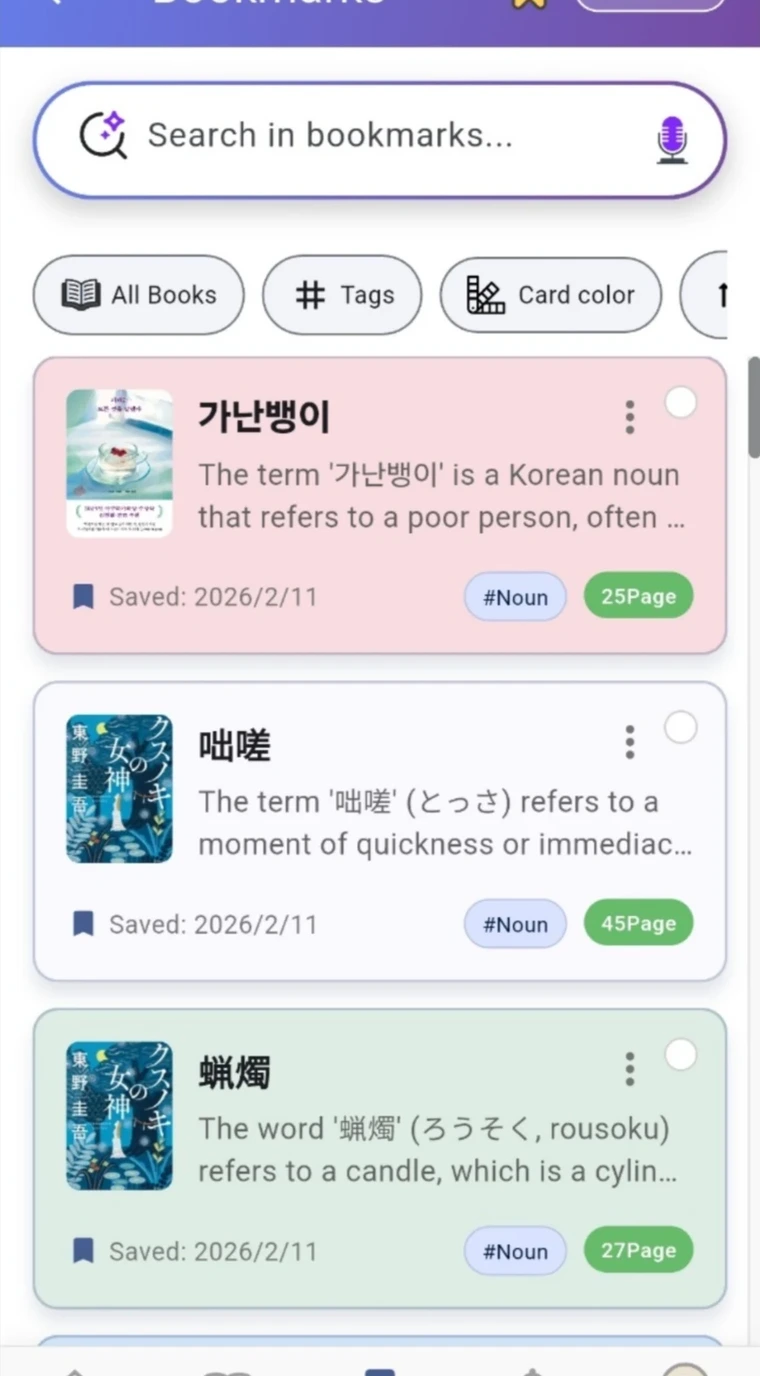
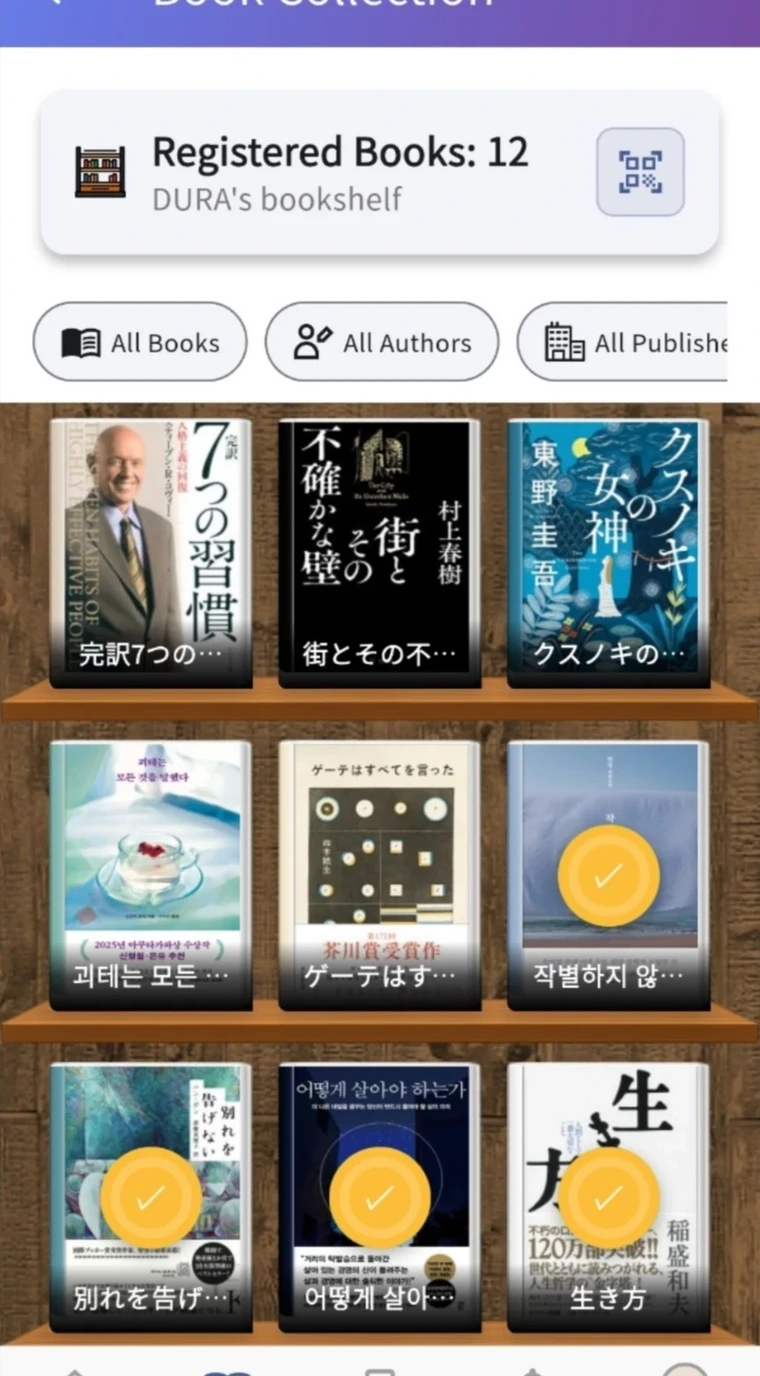
Save readings and meanings with the book and page.Revisit your reading through notes linked to your bookshelf.
① illustrates the capture feature. ② shows actual app screens.