
Kanji quizzes for the joy of reading
How do you read 名残 in Japanese?
What remains after a moment has passed.
Make the words you meet in books your own, one quiz at a time. Discover Japanese kanji readings, meanings and usage with DuraRing.
Unfamiliar kanji? Scan and look it up.Explore the OCR & AI dictionaryHow do you read this in Japanese?
Think of your answer before you look.
HINTShow hint
It can mean a lingering trace of a season or reluctance to say goodbye. Think of the expression ○○○を惜しむ.
More on radicals and this quiz’s stroke counts
Describe the shapes you see
You do not need to know the radical’s name. Try these searches for this quiz’s characters.
kanji with 夕 above 口
kanji for remain with a side like 一 above タ
Japanese reading of 名 and 残 together
These searches describe visual similarities, not formal radicals or character components.
名 is classified under 口, and 残 under 歹. The left side of 残 is called gatsuhen in Japanese. Visual similarities to 夕 or タ are lookup clues, not formal radical names.
名6 strokes / radical: 口 (mouth)
残10 strokes / radical: 歹 (death/decay)
Stroke counts and radicals follow the Japanese dictionary Kanjipedia; other dictionaries may differ.
ANSWERShow answerHide answer
The answer is
なごり
nagori
名残
Understand the meaning
English translationLingering traces / reluctance to part
A lingering trace of something past, or regret at parting. 夏の名残 refers to traces of summer; 名残を惜しむ means to be reluctant to say goodbye.

See it in a sentence
列車が見えなくなるまで手を振り、友との別れの名残を惜しんだ。I waved until the train disappeared, reluctant to part with my friend.
A way to remember
Learn the two characters together as nagori, rather than combining mei and zan. A farewell scene is a useful memory cue.
Sources:Kanjipedia: 名残
The explanation draws on the sources below. Examples were written for this page.
Explore the word further
Using 名残
冬の名残 concerns traces of winter; 名残を惜しむ concerns reluctance to part. Ask what has ended and what remains.
例:日陰に残った小さな雪の塊に、冬の名残を感じた。
The small patch of snow in the shade felt like a lingering trace of winter.
Reading and meaning in context
名残 and 余韻 can overlap. Learn combinations such as 別れの名残 in their setting instead of assuming the words are always interchangeable.
References for this explanation:Kanjipedia: 名残
Explanation checked on 2026-10-23. Additional examples were written by DuraRing for this page.
The answer and explanation stay hidden until you open them.
Read and learn with  .
Photograph unfamiliar kanji, look them up and save them in the app, linked to your book.A reading app that helps you revisit words in the context of your books.
Capture and look up kanji
Photograph a printed page.Check kanji readings and meanings.
Save words. Connect them to books.
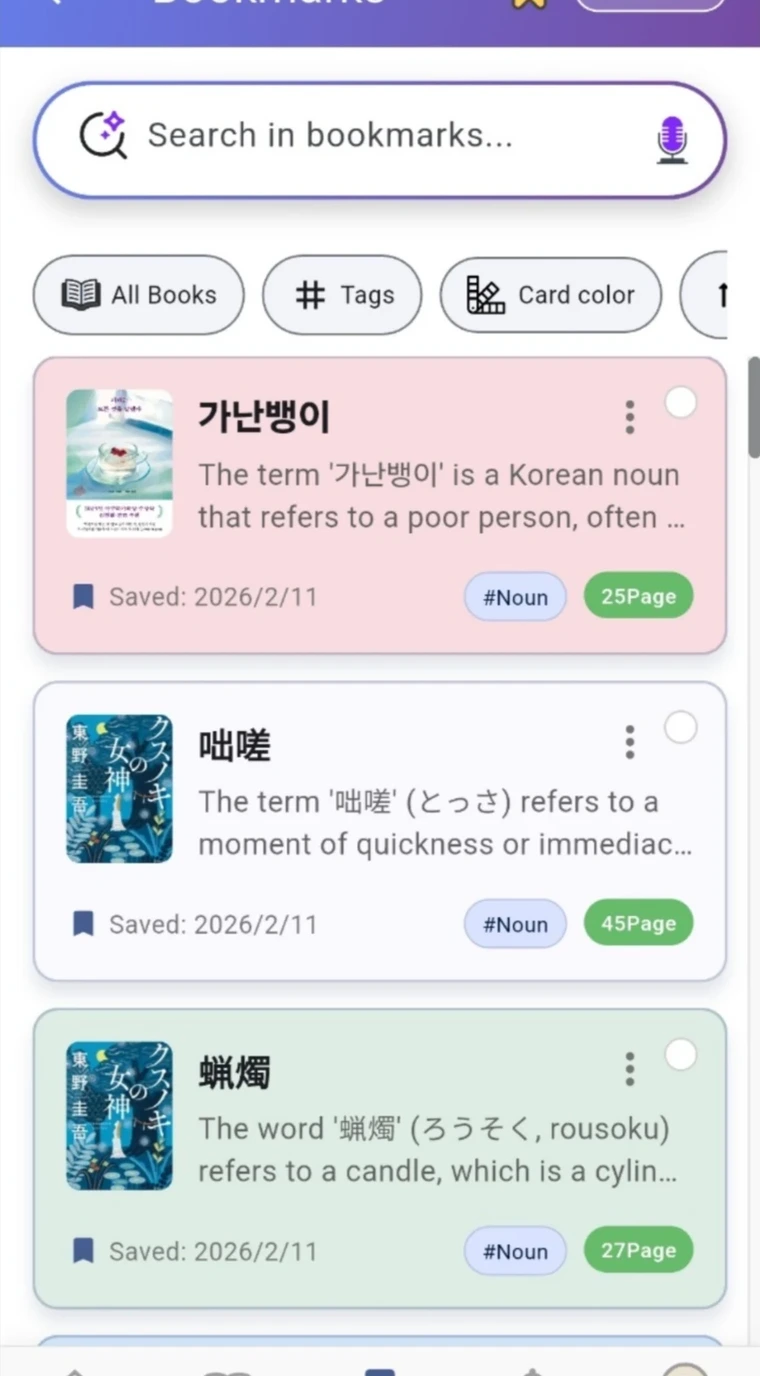
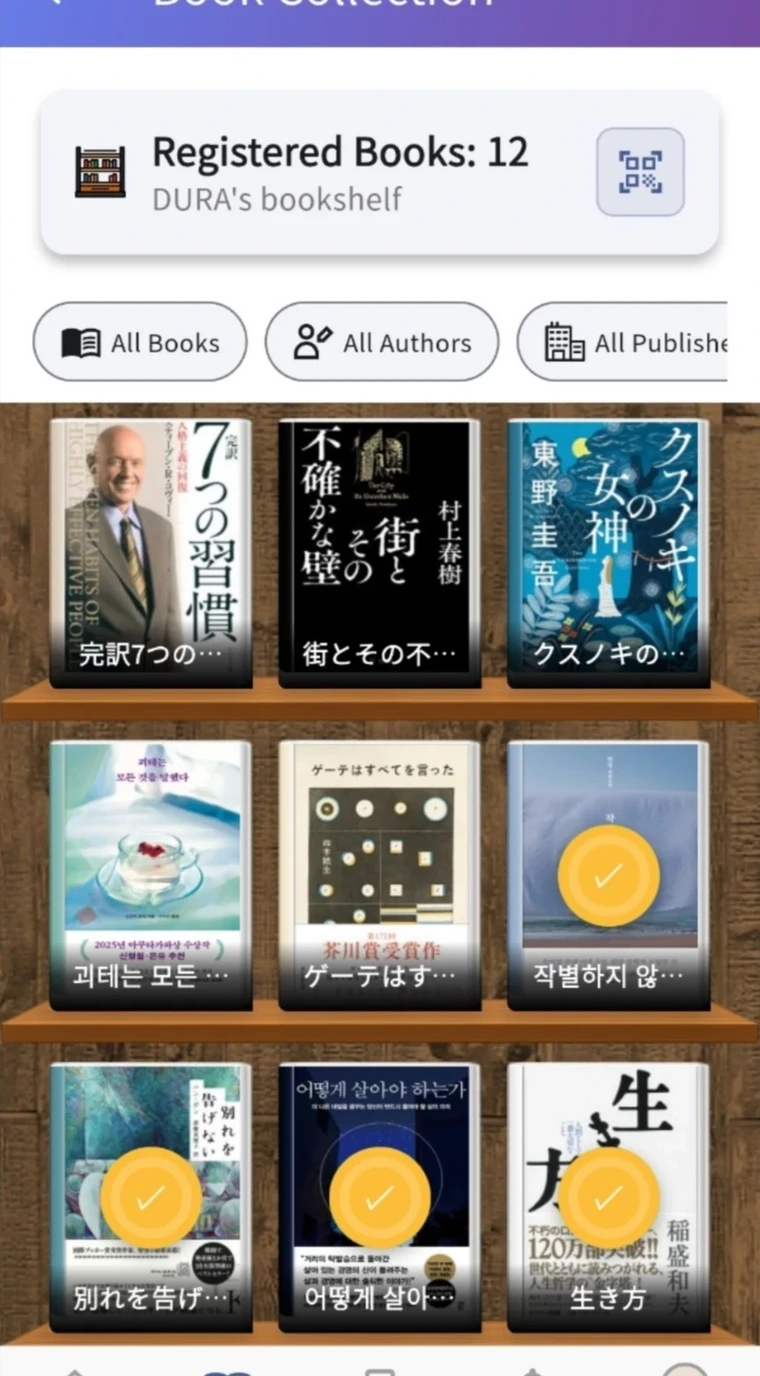
Save readings and meanings with the book and page.Revisit your reading through notes linked to your bookshelf.
① illustrates the capture feature. ② shows actual app screens.