
Kanji quizzes for the joy of reading
How do you read 臨機応変 in Japanese?
Find a suitable response when plans change.
Make the words you meet in books your own, one quiz at a time. Discover Japanese kanji readings, meanings and usage with DuraRing.
Unfamiliar kanji? Scan and look it up.Explore the OCR & AI dictionaryHow do you read this in Japanese?
Think of your answer before you look.
HINTShow hint
Adjusting your approach flexibly to the situation or a change. The reading begins with rinki.
More on radicals and this quiz’s stroke counts
Describe the shapes you see
You do not need to know the radical’s name. Try these searches for this quiz’s characters.
kanji with 臣 and three 口 shapes to the right
tree radical beside 幾 kanji
Japanese four-character idiom for adapting to circumstances
These searches describe visual similarities, not formal radicals or character components.
臨: 18 strokes; radical 臣 (minister). 機: 16 strokes; radical 木 (tree). 応: 7 strokes; radical 心 (heart). 変: 9 strokes; radical 夂 (go slowly). Distinguish informal descriptions of the shape from the dictionary radical.
臨18 strokes / radical: 臣 (minister)
機16 strokes / radical: 木 (tree)
応7 strokes / radical: 心 (heart)
変9 strokes / radical: 夂 (go slowly)
Stroke counts and radicals follow the Japanese dictionary Kanjipedia; other dictionaries may differ.
Kanjipedia「臨」 / Kanjipedia「機」 / Kanjipedia「応」 / Kanjipedia「変」
ANSWERShow answerHide answer
The answer is
りんきおうへん
rinkiōhen
臨機応変
Understand the meaning
English translationAdapting to the situation
Responding appropriately as circumstances change. It describes adapting a method to current needs instead of following a fixed procedure regardless of the situation.

See it in a sentence
雨が降り始めたので、臨機応変に読み聞かせの会場を屋内へ移した。When rain began to fall, we adapted by moving the read-aloud event indoors.
A way to remember
Learn it in two parts, 臨機 and 応変. 機 is the character in 機会, an occasion; 変 is the character in 変化, change.
Sources:Kanjipedia: 臨機応変
The explanation draws on the sources below. Examples were written for this page.
Explore the word further
Name the change and the response
A common pattern is 臨機応変に対応する. Say what changed and what you adjusted so the phrase describes a concrete response rather than a vague compliment.
例:参加者が増えたため、司会者は臨機応変に質問の受け付け方を変えた。
As attendance grew, the moderator adapted the way questions were collected.
Flexibility does not mean having no plan
This is not advice to skip preparation. A plan can be adjusted when conditions change. In the example, the increase in attendance explains why the method was changed.
References for this explanation:Kanjipedia: 臨機応変
Explanation checked on 2026-10-25. Additional examples were written by DuraRing for this page.
The answer and explanation stay hidden until you open them.
Read and learn with  .
Photograph unfamiliar kanji, look them up and save them in the app, linked to your book.A reading app that helps you revisit words in the context of your books.
Capture and look up kanji
Photograph a printed page.Check kanji readings and meanings.
Save words. Connect them to books.
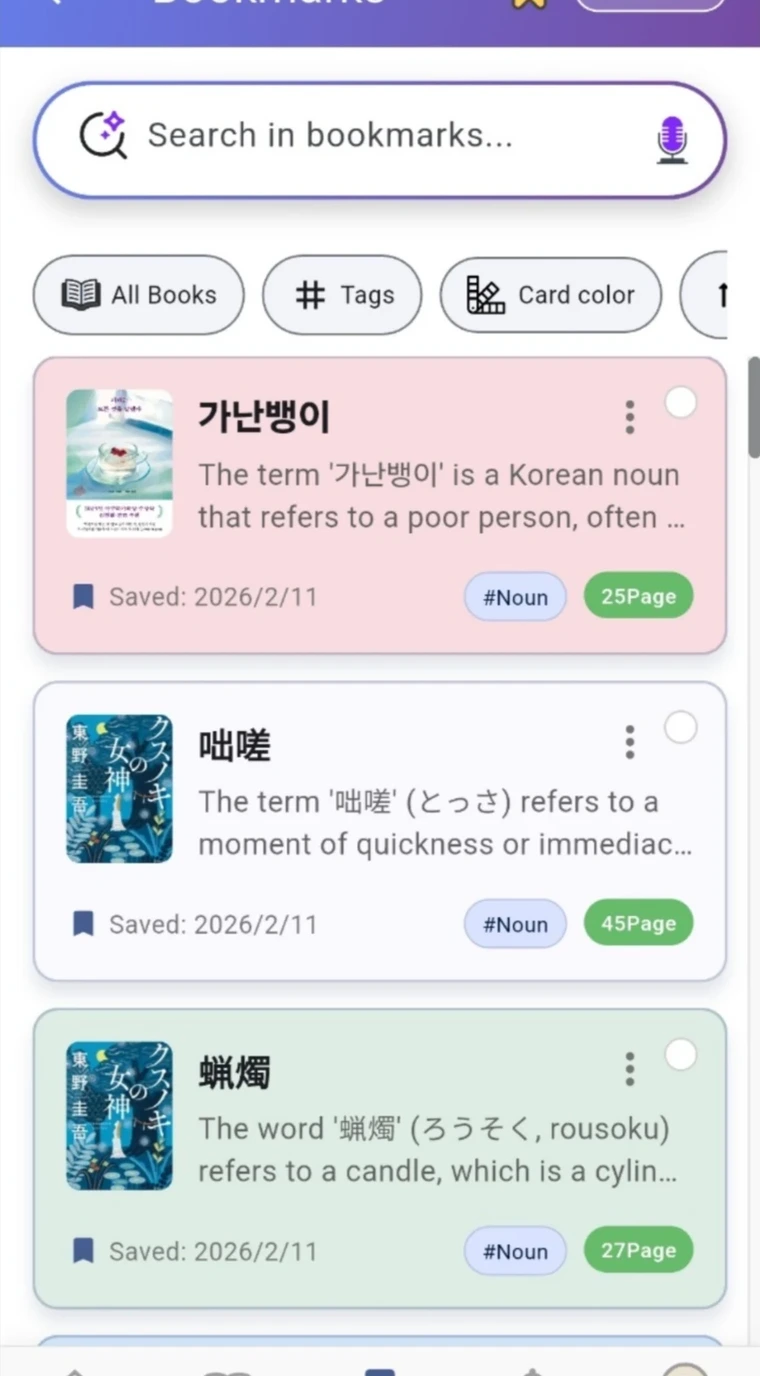
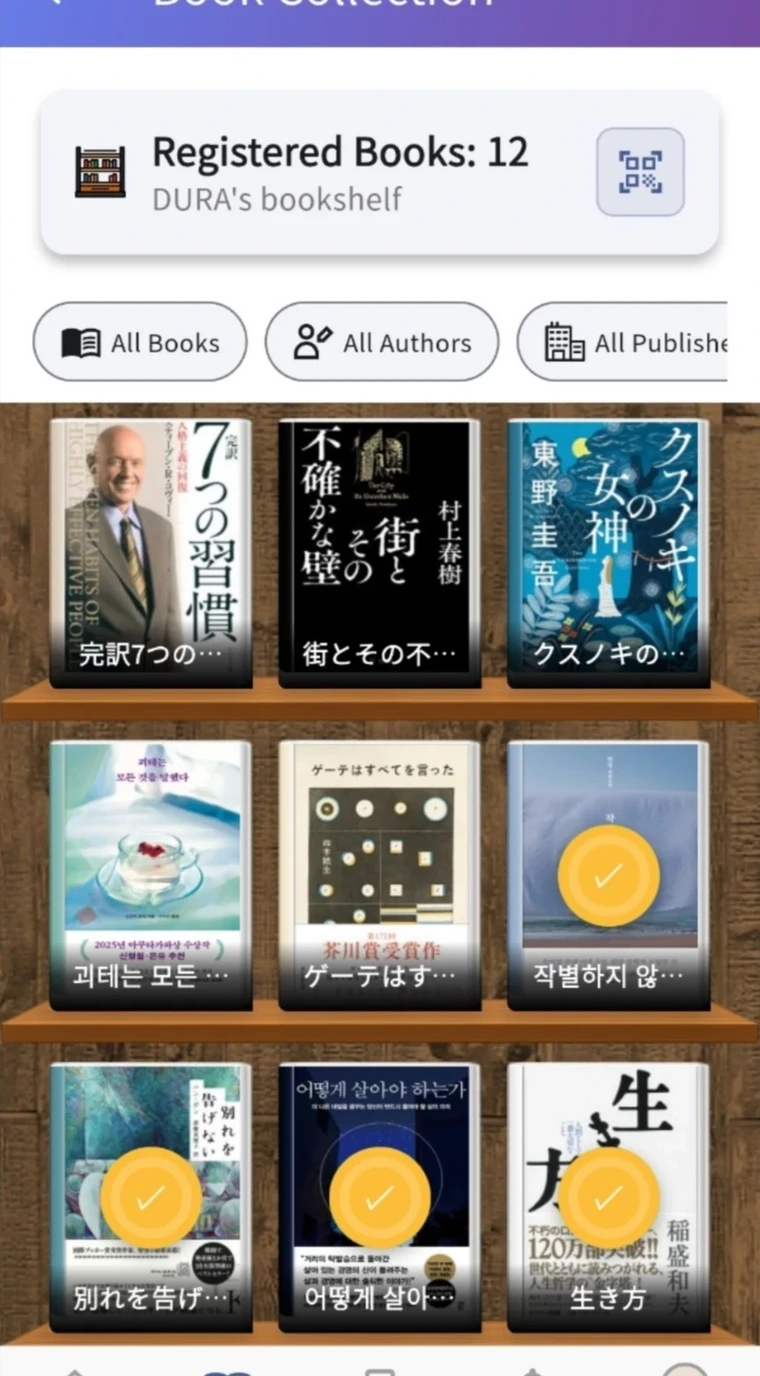
Save readings and meanings with the book and page.Revisit your reading through notes linked to your bookshelf.
① illustrates the capture feature. ② shows actual app screens.