
Kanji quizzes for the joy of reading
How do you read 試行錯誤 in Japanese?
Try, revise, and find a way.
Make the words you meet in books your own, one quiz at a time. Discover Japanese kanji readings, meanings and usage with DuraRing.
Unfamiliar kanji? Scan and look it up.Explore the OCR & AI dictionaryHow do you read this in Japanese?
Think of your answer before you look.
HINTShow hint
Trying different approaches to move toward a solution, even when the first attempt fails. It begins with shikō.
More on radicals and this quiz’s stroke counts
Describe the shapes you see
You do not need to know the radical’s name. Try these searches for this quiz’s characters.
speech radical next to 式 kanji
metal radical beside 昔 kanji
Japanese four-character idiom for repeated attempts and mistakes
These searches describe visual similarities, not formal radicals or character components.
試: 13 strokes; radical 言 (speech). 行: 6 strokes; radical 行 (go). 錯: 16 strokes; radical 金 (metal). 誤: 14 strokes; radical 言 (speech). Distinguish informal descriptions of the shape from the dictionary radical.
試13 strokes / radical: 言 (speech)
行6 strokes / radical: 行 (go)
錯16 strokes / radical: 金 (metal)
誤14 strokes / radical: 言 (speech)
Stroke counts and radicals follow the Japanese dictionary Kanjipedia; other dictionaries may differ.
Kanjipedia「試」 / Kanjipedia「行」 / Kanjipedia「錯」 / Kanjipedia「誤」
ANSWERShow answerHide answer
The answer is
しこうさくご
shikōsakugo
試行錯誤
Understand the meaning
English translationTrial and error
Finding a suitable answer or a better method through repeated attempts and mistakes. It can describe adjusting and testing an approach in cooking, making things, or studying.

See it in a sentence
生地の水分量を変えながら試行錯誤し、好みのパンを焼けるようになった。After trial and error with the amount of water in the dough, I learned to bake bread the way I liked it.
A way to remember
試行 means trying something out; 錯誤 concerns errors. Remember the spelling 試行, rather than 思考, by linking it to the act of testing.
Sources:Kanjipedia: 試行錯誤
The explanation draws on the sources below. Examples were written for this page.
Explore the word further
Show what changed between attempts
Use patterns such as 試行錯誤を重ねる and 試行錯誤の末に. Adding the method you tested or the change you made shows the process behind the result.
例:説明の順序を入れ替えて試行錯誤した結果、初めての人にも伝わる案内ができた。
Through trial and error with the order of the explanation, we created guidance that newcomers could understand.
More than the fact that something failed
The word does not simply label one unsuccessful attempt. It focuses on searching for a method through testing. まだ試行錯誤している says that the search is still under way.
References for this explanation:Kanjipedia: 試行錯誤
Explanation checked on 2026-10-25. Additional examples were written by DuraRing for this page.
The answer and explanation stay hidden until you open them.
Read and learn with  .
Photograph unfamiliar kanji, look them up and save them in the app, linked to your book.A reading app that helps you revisit words in the context of your books.
Capture and look up kanji
Photograph a printed page.Check kanji readings and meanings.
Save words. Connect them to books.
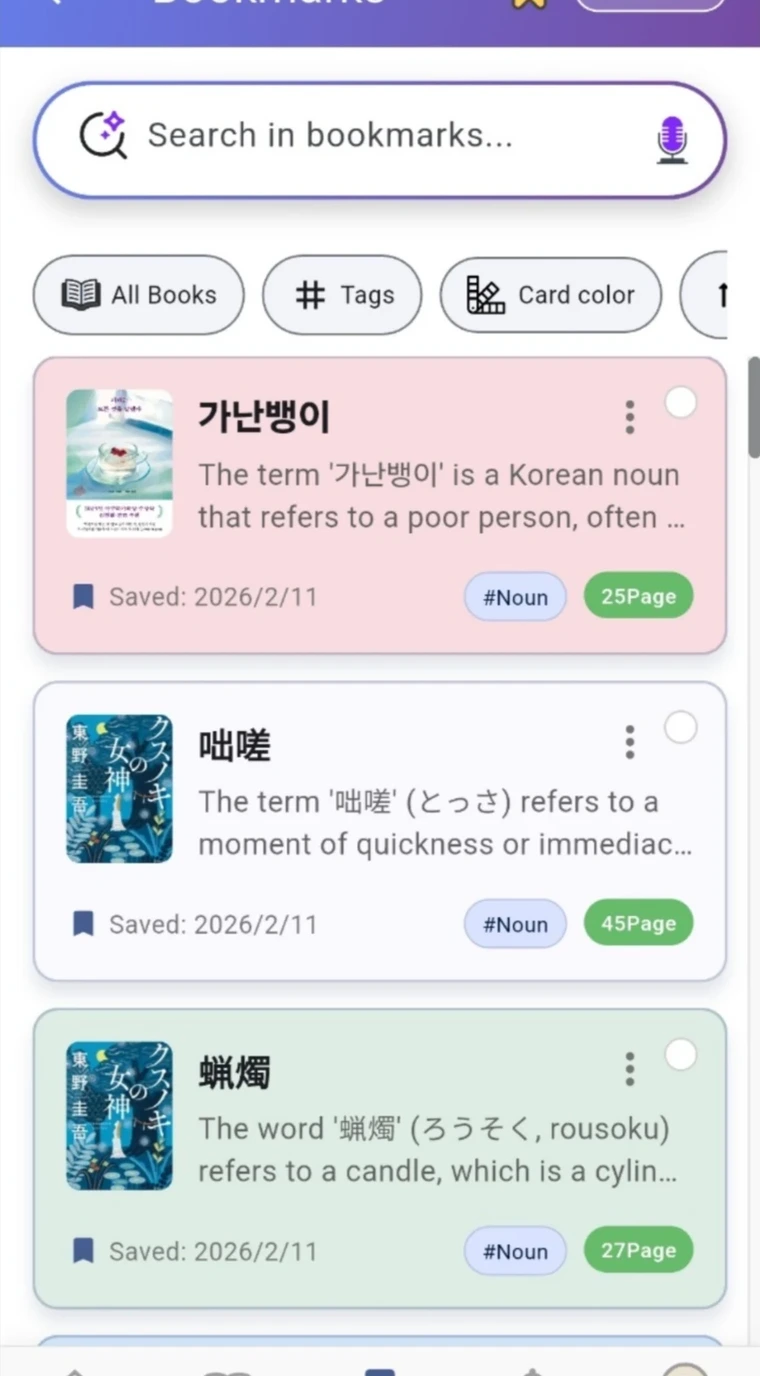
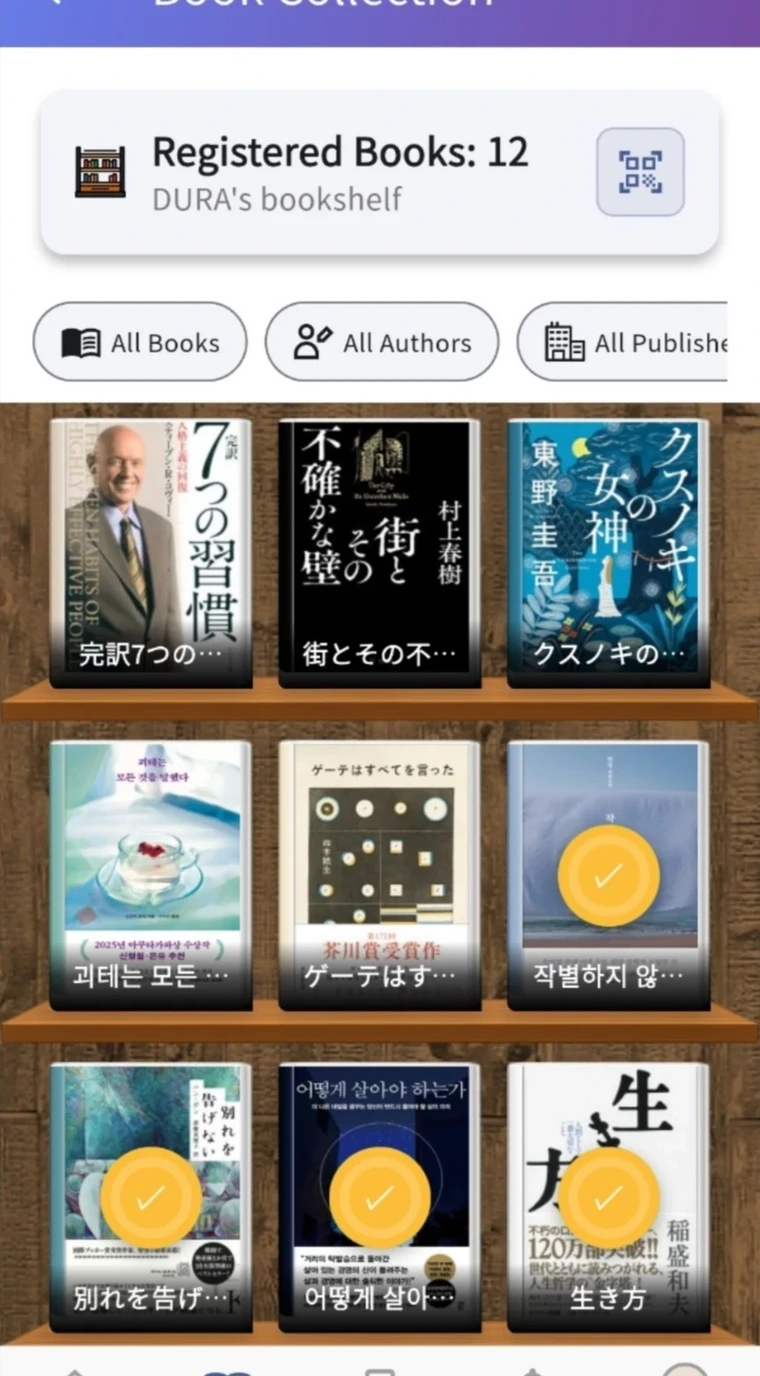
Save readings and meanings with the book and page.Revisit your reading through notes linked to your bookshelf.
① illustrates the capture feature. ② shows actual app screens.