
Kanji quizzes for the joy of reading
How do you read 切磋琢磨 in Japanese?
Learn from each other and sharpen your skills.
Make the words you meet in books your own, one quiz at a time. Discover Japanese kanji readings, meanings and usage with DuraRing.
Unfamiliar kanji? Scan and look it up.Explore the OCR & AI dictionaryHow do you read this in Japanese?
Think of your answer before you look.
HINTShow hint
Honing knowledge or skills, also used when peers challenge and encourage each other to improve. It begins with sessa.
More on radicals and this quiz’s stroke counts
Describe the shapes you see
You do not need to know the radical’s name. Try these searches for this quiz’s characters.
stone radical next to 差 kanji
王 beside a shape like the right side of 豚
kanji with 麻 above 石
These searches describe visual similarities, not formal radicals or character components.
切: 4 strokes; radical 刀 (knife). 磋: 15 strokes; radical 石 (stone). 琢: 11 strokes; radical 玉 (jade). 磨: 16 strokes; radical 石 (stone). Distinguish informal descriptions of the shape from the dictionary radical.
切4 strokes / radical: 刀 (knife)
磋15 strokes / radical: 石 (stone)
琢11 strokes / radical: 玉 (jade)
磨16 strokes / radical: 石 (stone)
Stroke counts and radicals follow the Japanese dictionary Kanjipedia; other dictionaries may differ.
Kanjipedia「切」 / Kanjipedia「磋」 / Kanjipedia「琢」 / Kanjipedia「磨」
ANSWERShow answerHide answer
The answer is
せっさたくま
sessatakuma
切磋琢磨
Understand the meaning
English translationHoning skills through effort and mutual encouragement
Developing oneself through study and practice. It also describes people with a shared aim improving their abilities through competition and learning from each other.

See it in a sentence
仲間と作品を見せ合い、切磋琢磨しながら絵の技術を磨いた。We shared our artwork and honed our drawing skills by learning from one another.
A way to remember
The reading is sessa with a small っ, not setsusa. 磋 has the stone radical; 琢 belongs to the jade radical, written like 王 on the left.
Sources:Kanjipedia: 切磋琢磨
The explanation draws on the sources below. Examples were written for this page.
Explore the word further
Connect competition with learning
In 仲間と切磋琢磨する, the phrase names the people you improve alongside. Describe what you learned from each other, not only who won, to show the development involved.
例:研究会では、互いの発表に質問を重ね、切磋琢磨して説明する力を高めた。
In the study group, we asked questions about each other’s presentations and improved our ability to explain through mutual practice.
It is not just about defeating someone
The word does not mean obstructing a peer or merely ranking people. Its sense of self-cultivation can also apply to individual effort. Look at who is developing which ability in the context.
References for this explanation:Kanjipedia: 切磋琢磨
Explanation checked on 2026-10-25. Additional examples were written by DuraRing for this page.
The answer and explanation stay hidden until you open them.
Read and learn with  .
Photograph unfamiliar kanji, look them up and save them in the app, linked to your book.A reading app that helps you revisit words in the context of your books.
Capture and look up kanji
Photograph a printed page.Check kanji readings and meanings.
Save words. Connect them to books.
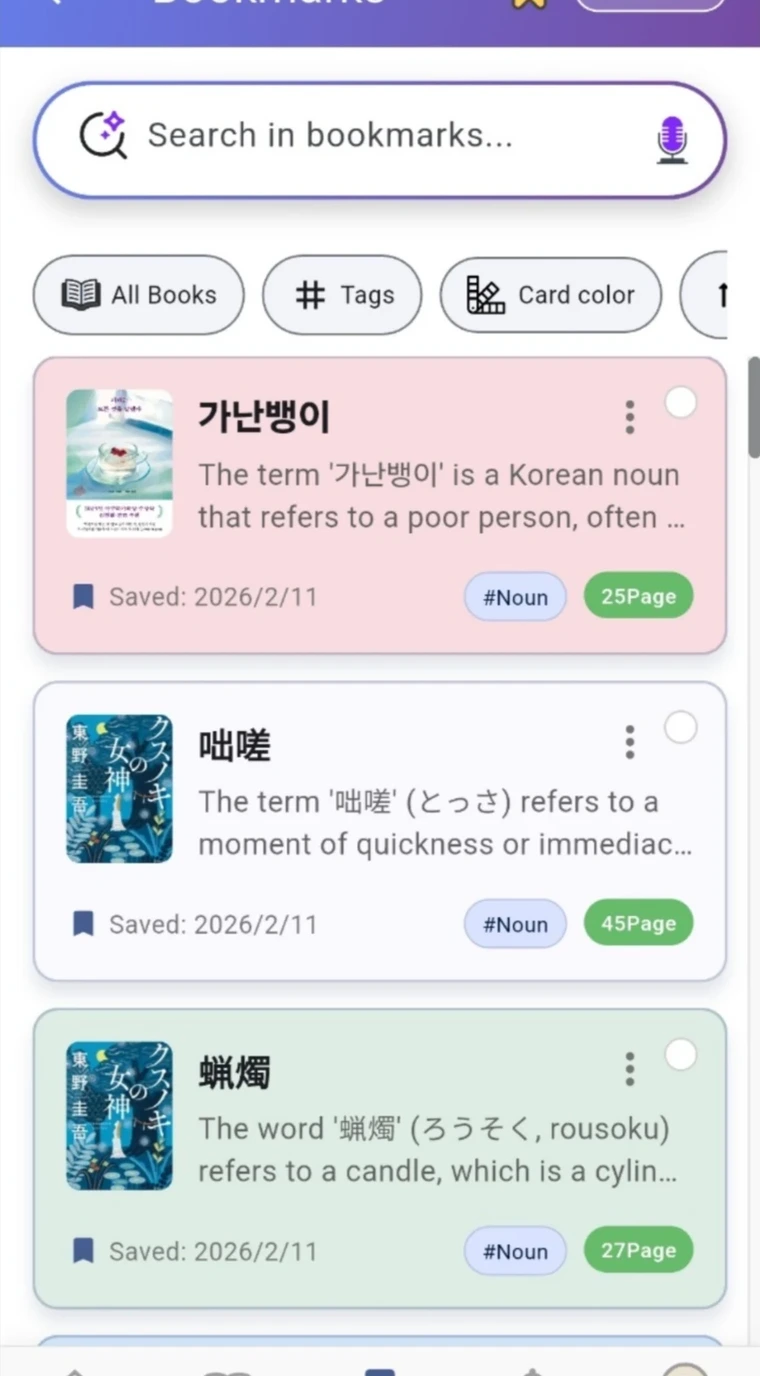
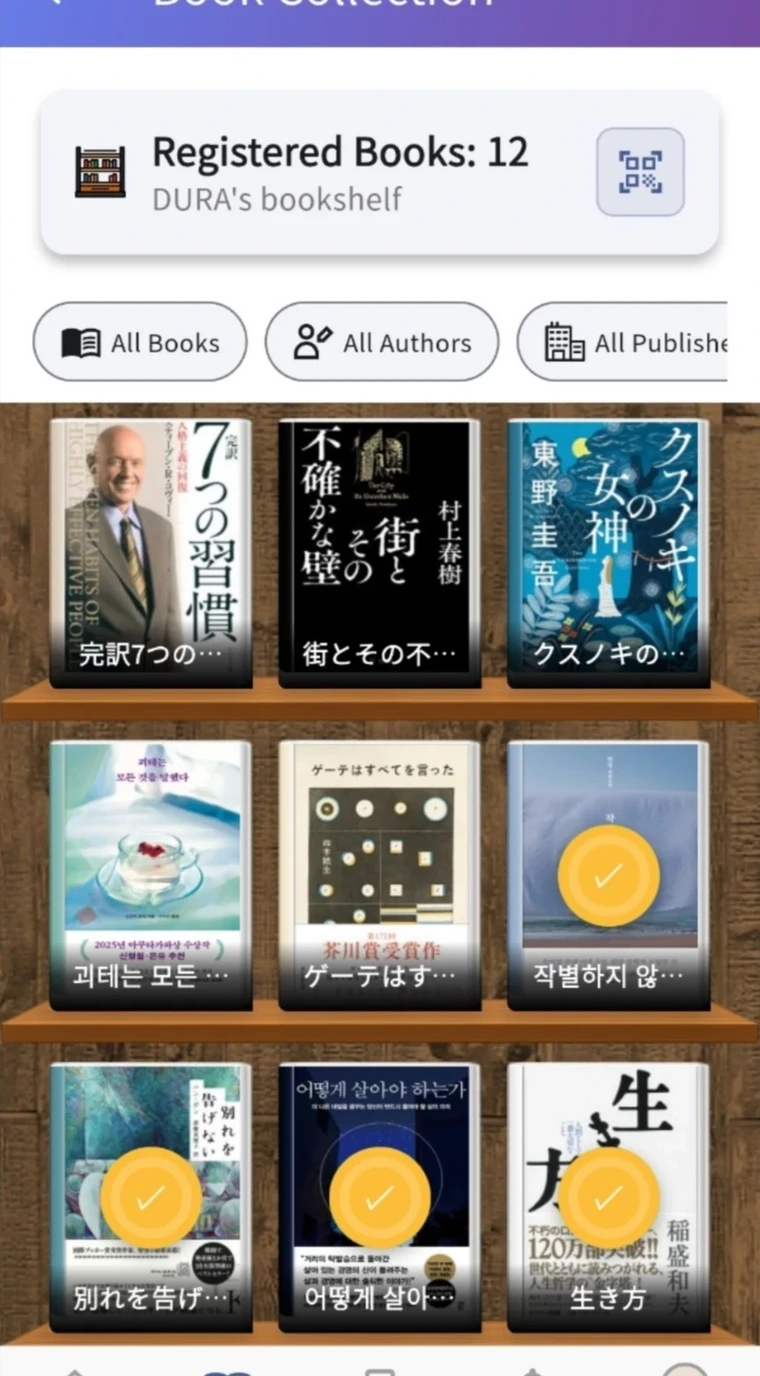
Save readings and meanings with the book and page.Revisit your reading through notes linked to your bookshelf.
① illustrates the capture feature. ② shows actual app screens.