
Kanji quizzes for the joy of reading
How do you read 造詣 in Japanese?
A deep understanding of a field.
Make the words you meet in books your own, one quiz at a time. Discover Japanese kanji readings, meanings and usage with DuraRing.
Unfamiliar kanji? Scan and look it up.Explore the OCR & AI dictionaryHow do you read this in Japanese?
Think of your answer before you look.
HINTShow hint
Deep knowledge or understanding of a field such as art or scholarship, used in 〇〇が深い.
More on radicals and this quiz’s stroke counts
Describe the shapes you see
You do not need to know the radical’s name. Try these searches for this quiz’s characters.
speech radical beside 旨
造 followed by 言 and 旨 reading
言 beside ヒ and 日 13 strokes
These searches describe visual similarities, not formal radicals or character components.
造 has 10 strokes and the radical 辵 (movement). 詣 has 13 strokes and the radical 言 (speech). Radicals are dictionary classifications. The shape-based search phrases below provide other lookup clues.
造10 strokes / radical: 辵 (movement)
詣13 strokes / radical: 言 (speech)
Stroke counts and radicals follow the Japanese dictionary Kanjipedia; other dictionaries may differ.
ANSWERShow answerHide answer
The answer is
ぞうけい
zōkei
造詣
Understand the meaning
English translationDeep knowledge / expertise
Deep knowledge, understanding and insight in a particular field.

See it in a sentence
先生は陶芸への造詣が深く、器の違いを丁寧に教えてくれた。The teacher’s deep knowledge of pottery helped them explain the differences between the bowls.
A way to remember
Read it zōkei, not zōshi. 詣 contains a shape like 旨, but is read kei in this word.
Sources:Kanjipedia: 造詣
The explanation draws on the sources below. Examples were written for this page.
Explore the word further
Using 造詣
The pattern 分野に造詣が深い identifies an area of deep knowledge, as in 音楽に造詣が深い.
例:郷土史に造詣が深い先生が、古い地図の読み方を教えてくれた。
A teacher with deep knowledge of local history showed us how to read an old map.
Reading and meaning in context
The reading is ぞうけい. Practice the whole phrase 造詣が深い to avoid confusing 詣 with a similar-looking character.
References for this explanation:Kanjipedia: 造詣
Explanation checked on 2026-10-23. Additional examples were written by DuraRing for this page.
The answer and explanation stay hidden until you open them.
Read and learn with  .
Photograph unfamiliar kanji, look them up and save them in the app, linked to your book.A reading app that helps you revisit words in the context of your books.
Capture and look up kanji
Photograph a printed page.Check kanji readings and meanings.
Save words. Connect them to books.
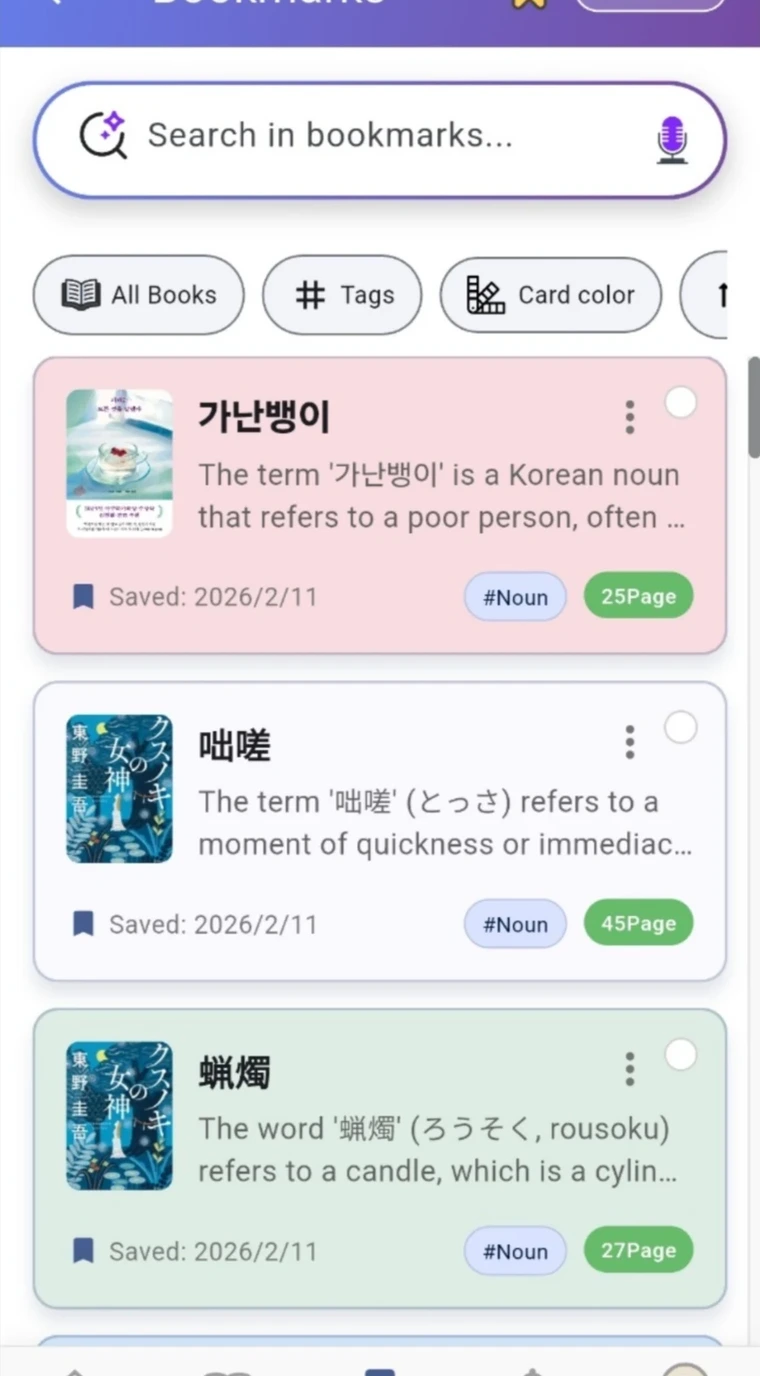
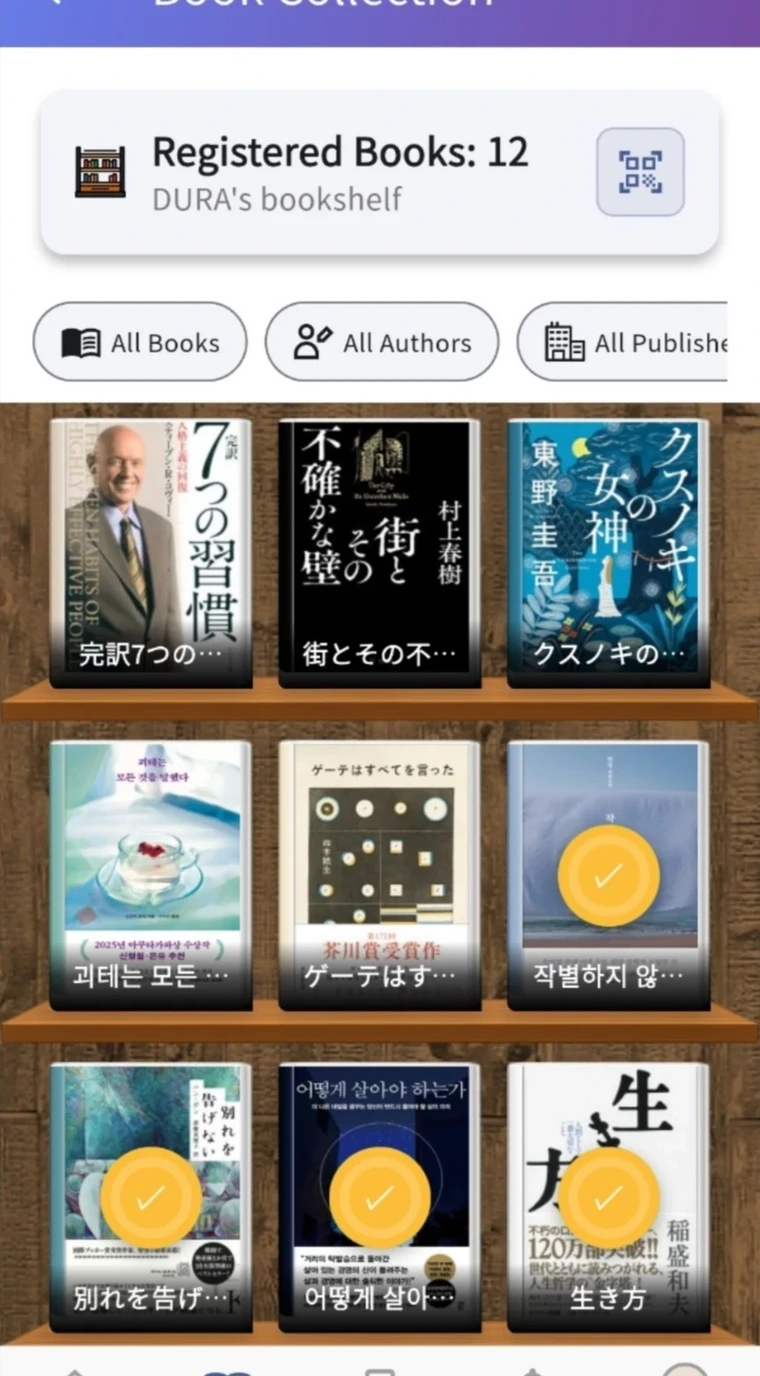
Save readings and meanings with the book and page.Revisit your reading through notes linked to your bookshelf.
① illustrates the capture feature. ② shows actual app screens.