
Kanji quizzes for the joy of reading
How do you read 以心伝心 in Japanese?
An understanding that needs no words.
Make the words you meet in books your own, one quiz at a time. Discover Japanese kanji readings, meanings and usage with DuraRing.
Unfamiliar kanji? Scan and look it up.Explore the OCR & AI dictionaryHow do you read this in Japanese?
Think of your answer before you look.
HINTShow hint
Understanding each other without words or writing. 心 appears twice.
More on radicals and this quiz’s stroke counts
Describe the shapes you see
You do not need to know the radical’s name. Try these searches for this quiz’s characters.
person radical beside 云 kanji
idiom with two 心 meaning mutual understanding
reading of 以心 followed by a missing character and 心
These searches describe visual similarities, not formal radicals or character components.
以: 5 strokes; radical 人 (person). 心: 4 strokes; radical 心 (heart). 伝: 6 strokes; radical 人 (person). 心: 4 strokes; radical 心 (heart). Distinguish informal descriptions of the shape from the dictionary radical.
以5 strokes / radical: 人 (person)
心4 strokes / radical: 心 (heart)
伝6 strokes / radical: 人 (person)
心4 strokes / radical: 心 (heart)
Stroke counts and radicals follow the Japanese dictionary Kanjipedia; other dictionaries may differ.
Kanjipedia「以」 / Kanjipedia「心」 / Kanjipedia「伝」 / Kanjipedia「心」
ANSWERShow answerHide answer
The answer is
いしんでんしん
ishindenshin
以心伝心
Understand the meaning
English translationUnspoken mutual understanding
A connection of understanding without verbal explanation. The term originally referred in Zen Buddhism to conveying a deep understanding without relying on words or writing.

See it in a sentence
長年一緒に料理をしてきた二人は、以心伝心で必要な道具を渡し合った。After years of cooking together, the two passed each other the needed utensils with an unspoken understanding.
A way to remember
伝 can also be read tsutaeru, but here it is den. Connect the two occurrences of 心 with the idea of understanding between two people.
Sources:Kanjipedia: 以心伝心
The explanation draws on the sources below. Examples were written for this page.
Explore the word further
Show the exchange that conveyed understanding
Use 以心伝心で伝わる or 以心伝心の間柄. Describe a moment when a glance or gesture conveyed intent to show the closeness of the relationship.
例:舞台袖で目が合うと、二人は以心伝心で次の場面の準備に取りかかった。
When their eyes met in the wings, the two began preparing the next scene with an unspoken understanding.
Do not assume every message was understood
For deadlines or changes at work, do not rely on the idea that someone should understand without being told. Even close colleagues benefit from explicitly sharing information that needs confirmation.
References for this explanation:Kanjipedia: 以心伝心
Explanation checked on 2026-10-25. Additional examples were written by DuraRing for this page.
The answer and explanation stay hidden until you open them.
Read and learn with  .
Photograph unfamiliar kanji, look them up and save them in the app, linked to your book.A reading app that helps you revisit words in the context of your books.
Capture and look up kanji
Photograph a printed page.Check kanji readings and meanings.
Save words. Connect them to books.
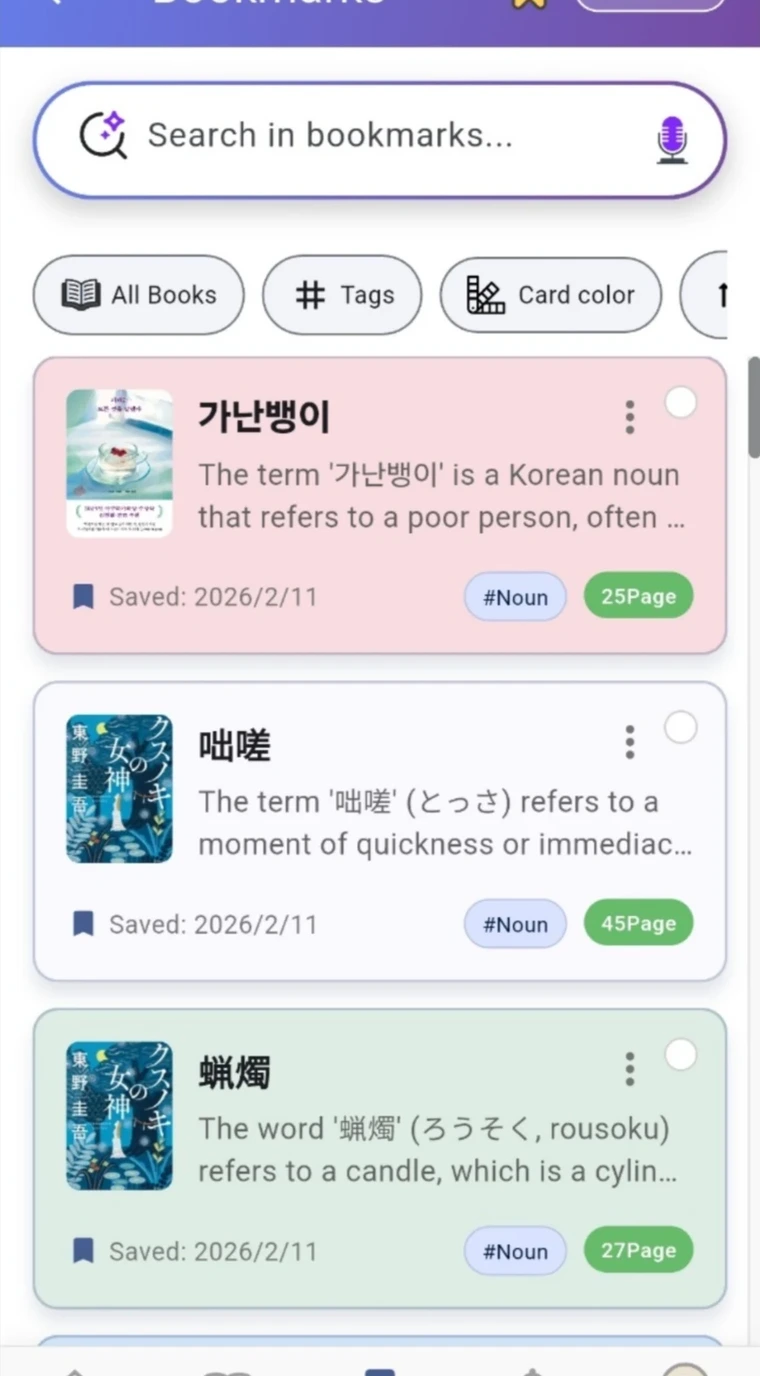
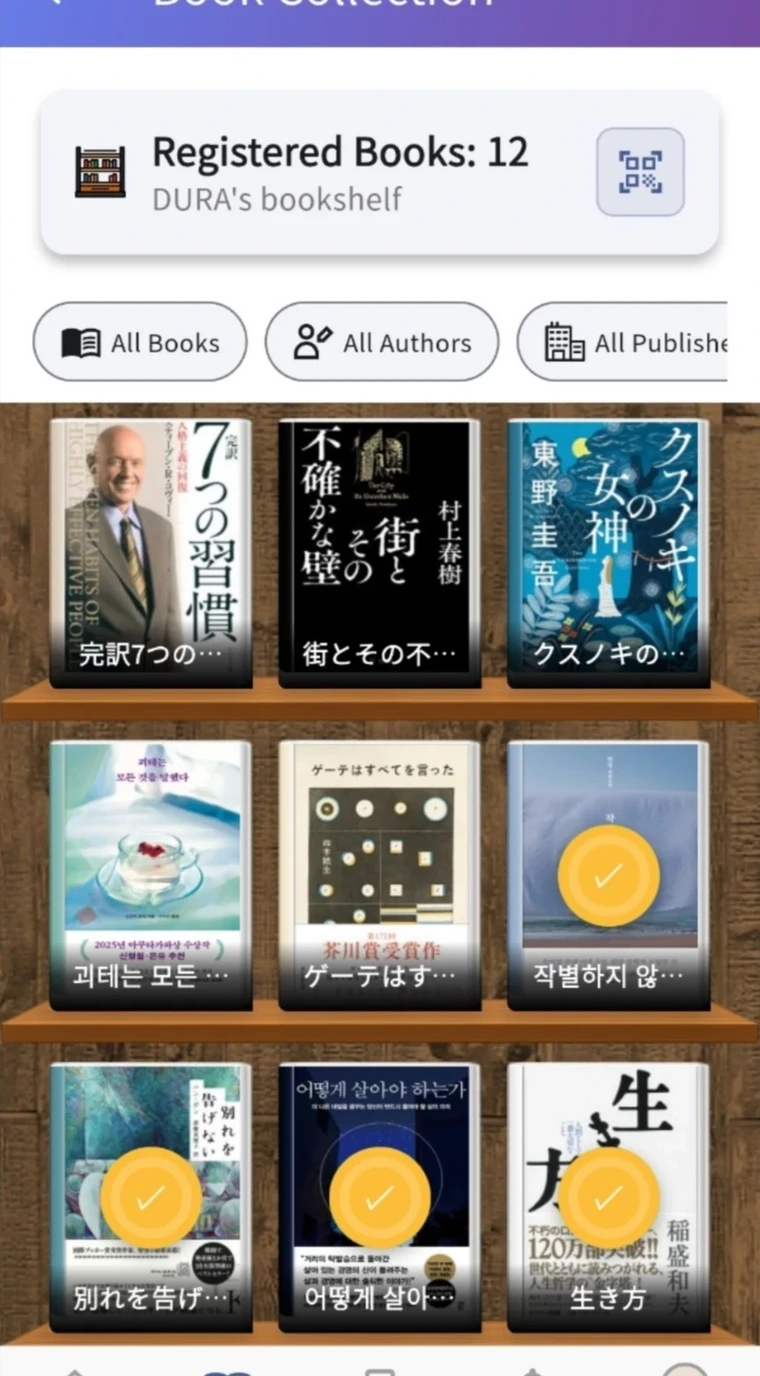
Save readings and meanings with the book and page.Revisit your reading through notes linked to your bookshelf.
① illustrates the capture feature. ② shows actual app screens.