
Kanji quizzes for the joy of reading
How do you read 糧 in Japanese?
What helps sustain us.
Make the words you meet in books your own, one quiz at a time. Discover Japanese kanji readings, meanings and usage with DuraRing.
Unfamiliar kanji? Scan and look it up.Explore the OCR & AI dictionaryHow do you read this in Japanese?
Give the native reading of 糧 in 経験を糧にする, drawing strength from experience.
HINTShow hint
Food, or something that sustains the mind and growth. Two hiragana beginning with ka.
More on radicals and this quiz’s stroke counts
Describe the shapes you see
You do not need to know the radical’s name. Try these searches for this quiz’s characters.
rice radical beside 量
米 beside 日 and 里 food kanji
rice radical 18 strokes sustenance for the mind
These searches describe visual similarities, not formal radicals or character components.
糧: 18 strokes; radical 米 (rice). Distinguish informal descriptions of the shape from the dictionary radical.
糧18 strokes / radical: 米 (rice)
Stroke counts and radicals follow the Japanese dictionary Kanjipedia; other dictionaries may differ.
ANSWERShow answerHide answer
The answer is
かて
kate
糧
Understand the meaning
English translationSustenance / nourishment
Food that sustains life, and figuratively nourishment or support for the mind and daily life. Experience or reading can become 糧.

See it in a sentence
旅で出会った人の言葉を、これからの糧にしたい。I want to draw strength for the future from the words of someone I met while traveling.
A way to remember
The native reading is kate; 食糧 uses ryō. Check how it functions in the sentence.
Sources:Kanjipedia: 糧
The explanation draws on the sources below. Examples were written for this page.
Explore the word further
What an experience gives you
失敗を糧にする means learning from a failure and using it, not celebrating the failure itself. Ask what is being taken from the experience and how it supports the next step.
例:発表での失敗を糧にして、次は聞き手に伝わる順序を考えた。
Learning from a failed presentation, I planned a clearer order for the audience next time.
Distinguish literal and figurative nourishment
その日の糧 can refer to daily food, while 心の糧 concerns support for the mind. Identify what is being sustained to understand the shift in meaning.
References for this explanation:Kanjipedia: 糧
Explanation checked on 2026-10-25. Additional examples were written by DuraRing for this page.
The answer and explanation stay hidden until you open them.
Read and learn with  .
Photograph unfamiliar kanji, look them up and save them in the app, linked to your book.A reading app that helps you revisit words in the context of your books.
Capture and look up kanji
Photograph a printed page.Check kanji readings and meanings.
Save words. Connect them to books.
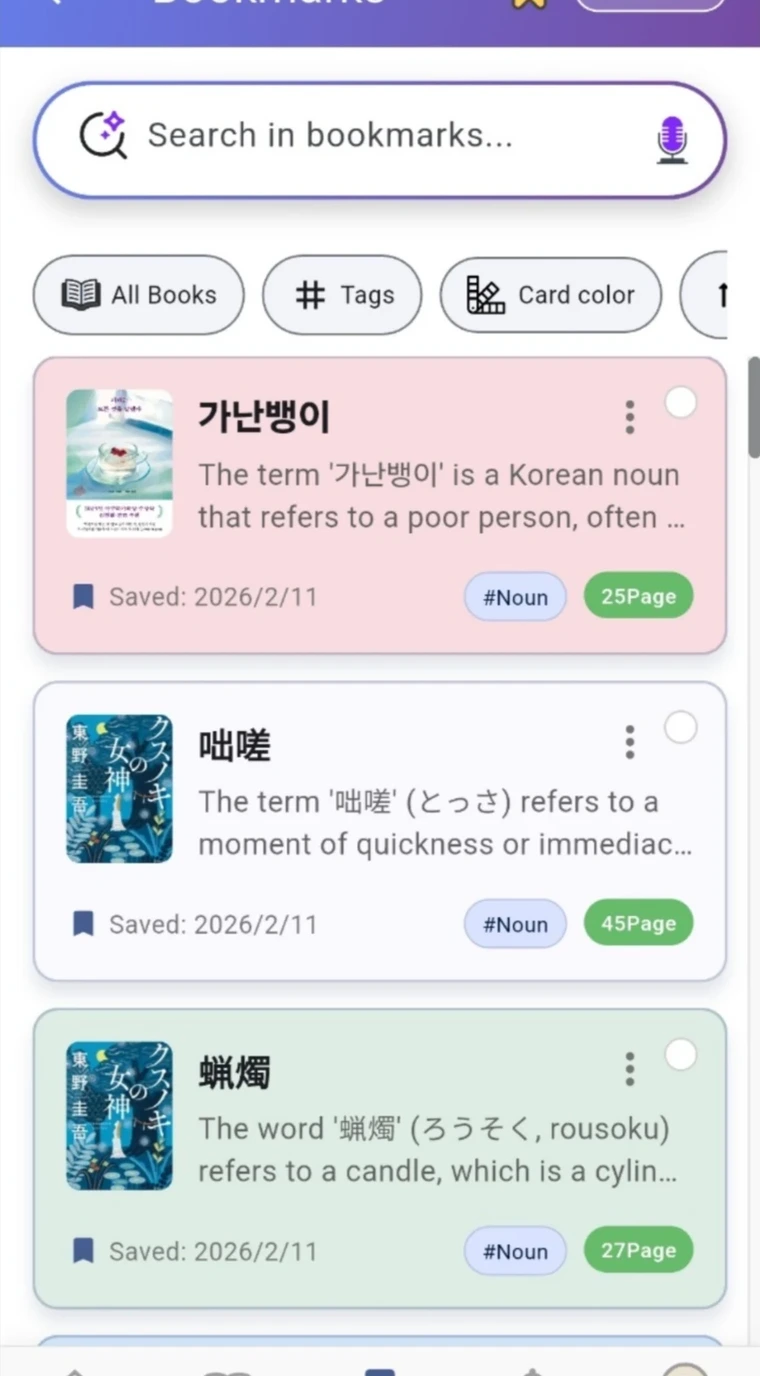
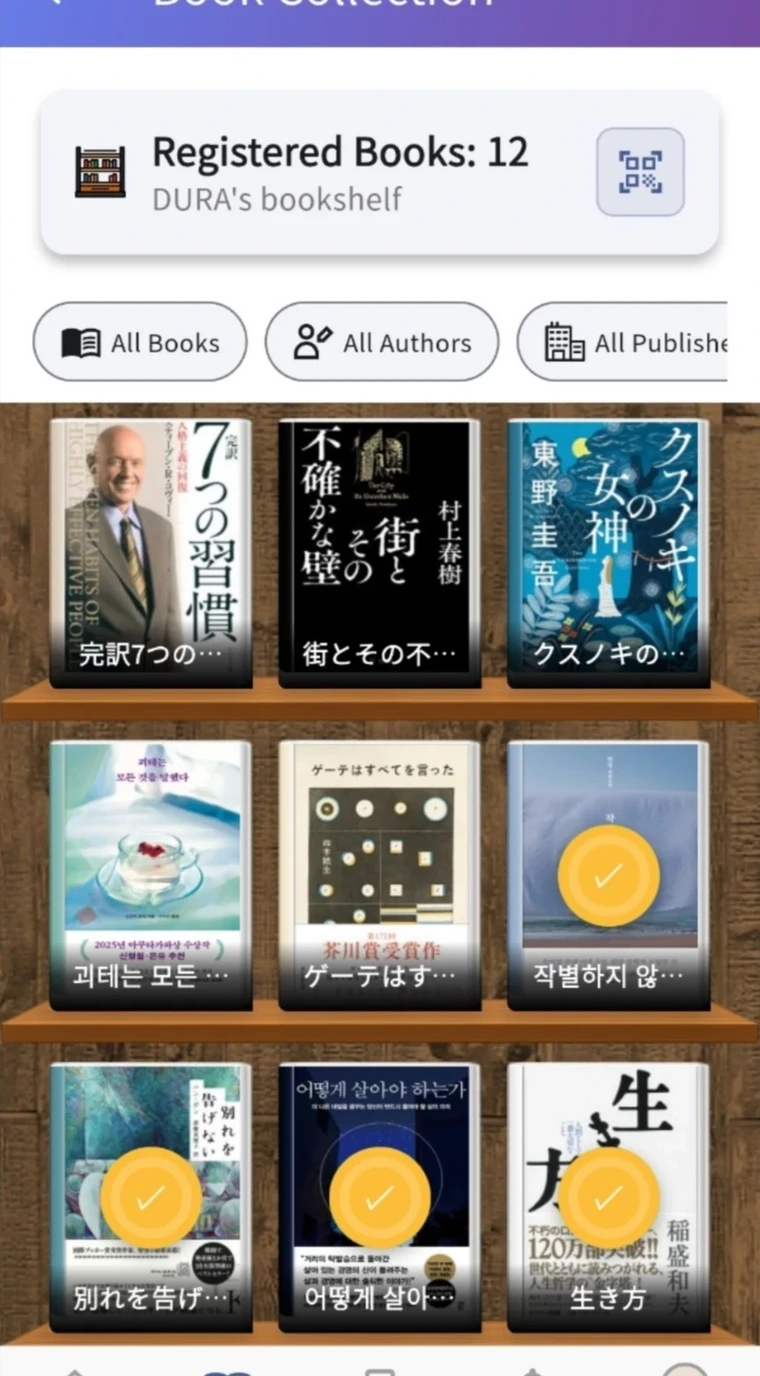
Save readings and meanings with the book and page.Revisit your reading through notes linked to your bookshelf.
① illustrates the capture feature. ② shows actual app screens.