
Kanji quizzes for the joy of reading
How do you read 梢 in Japanese?
The branches stirring high above.
Make the words you meet in books your own, one quiz at a time. Discover Japanese kanji readings, meanings and usage with DuraRing.
Unfamiliar kanji? Scan and look it up.Explore the OCR & AI dictionaryHow do you read this in Japanese?
Use the Japanese word for the tips of a tree’s branches.
HINTShow hint
Not the trunk or roots, but the ends of the branches. This three-hiragana word appears in descriptions of scenery.
More on radicals and this quiz’s stroke counts
Describe the shapes you see
You do not need to know the radical’s name. Try these searches for this quiz’s characters.
tree radical next to 肖
木 beside shapes like 小 above 月
kanji like 消 with 木 instead of water radical
These searches describe visual similarities, not formal radicals or character components.
梢 has 11 strokes and the tree radical 木 on the left. The right-hand component is 肖, also seen in 消.
梢11 strokes / radical: 木 (tree)
Stroke counts and radicals follow the Japanese dictionary Kanjipedia; other dictionaries may differ.
ANSWERShow answerHide answer
The answer is
こずえ
kozue
梢
Understand the meaning
English translationTips of tree branches
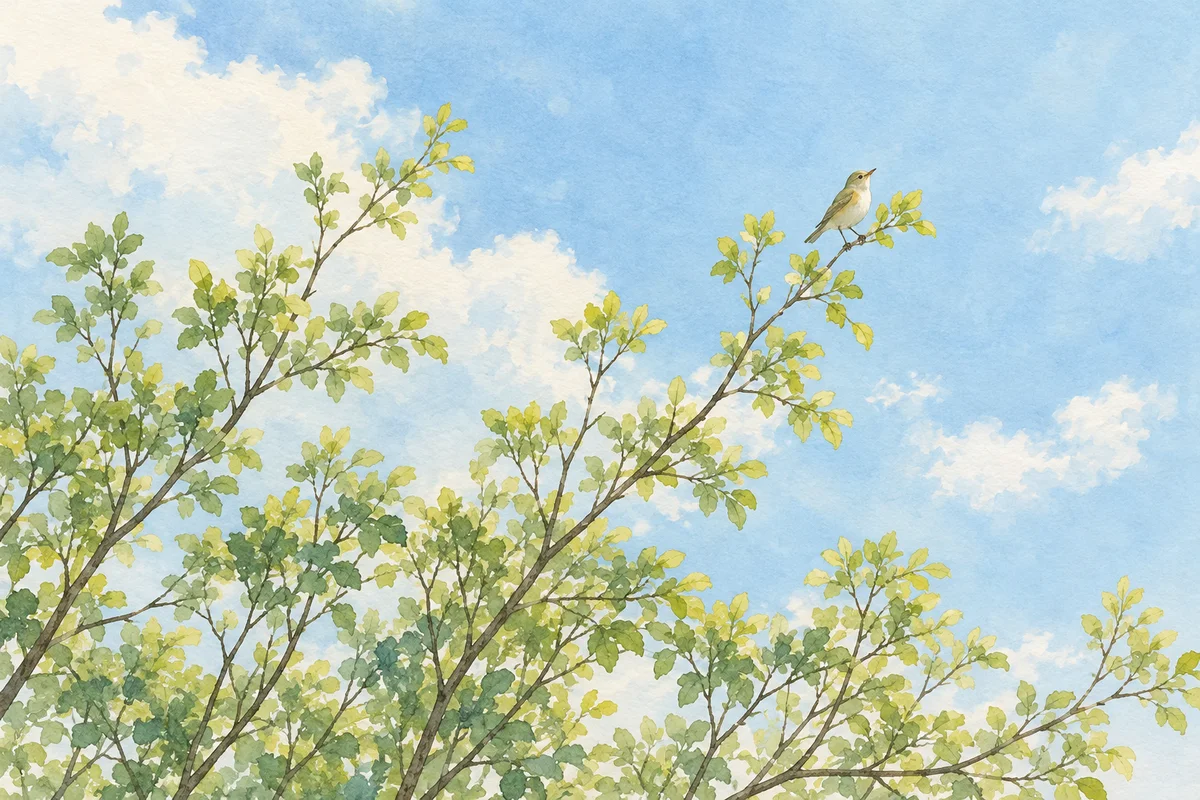
The tips of a tree’s branches. It can describe where leaves stir or a small bird perches high in a tree.
See it in a sentence
梢にとまった小鳥が、朝の光の中で鳴いていた。A small bird perched at a branch tip sang in the morning light.
A way to remember
The branch-tip reading is kozue, written こずえ with ず, not づ. Other readings include the on-reading shō.
Sources:Kanjipedia: 梢
The explanation draws on the sources below. Examples were written for this page.
Explore the word further
Using 梢
梢を揺らす and 梢を見上げる direct attention to branch tips rather than trunks or roots. They work well with descriptions of wind or birds.
例:夕風が梢を揺らし、葉の間から西の空が見えた。
The evening breeze stirred the branch tips, revealing the western sky between the leaves.
Reading and meaning in context
Here こずえ means the tip of a branch, not the whole tree. Check which part of the scene the sentence directs you toward.
References for this explanation:Kanjipedia: 梢
Explanation checked on 2026-10-23. Additional examples were written by DuraRing for this page.
The answer and explanation stay hidden until you open them.
Read and learn with  .
Photograph unfamiliar kanji, look them up and save them in the app, linked to your book.A reading app that helps you revisit words in the context of your books.
Capture and look up kanji
Photograph a printed page.Check kanji readings and meanings.
Save words. Connect them to books.
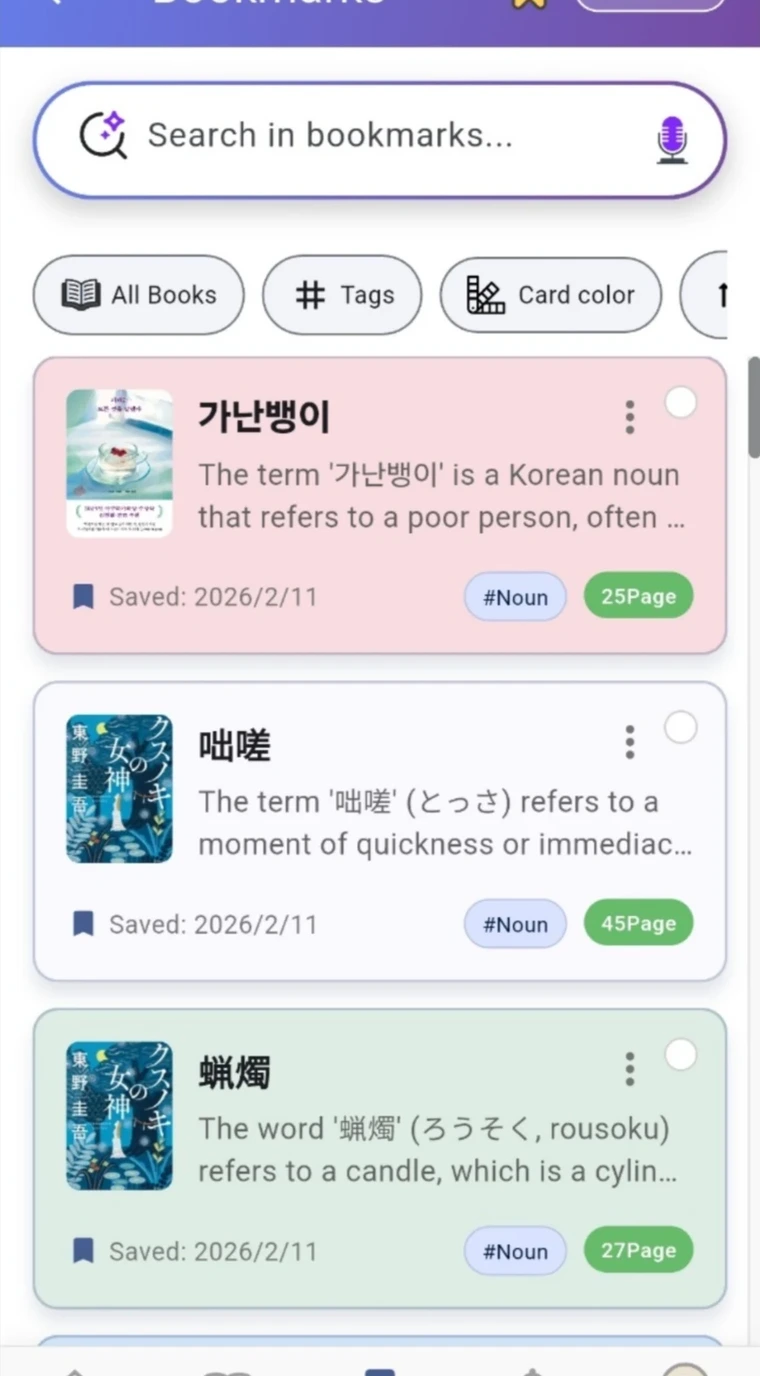
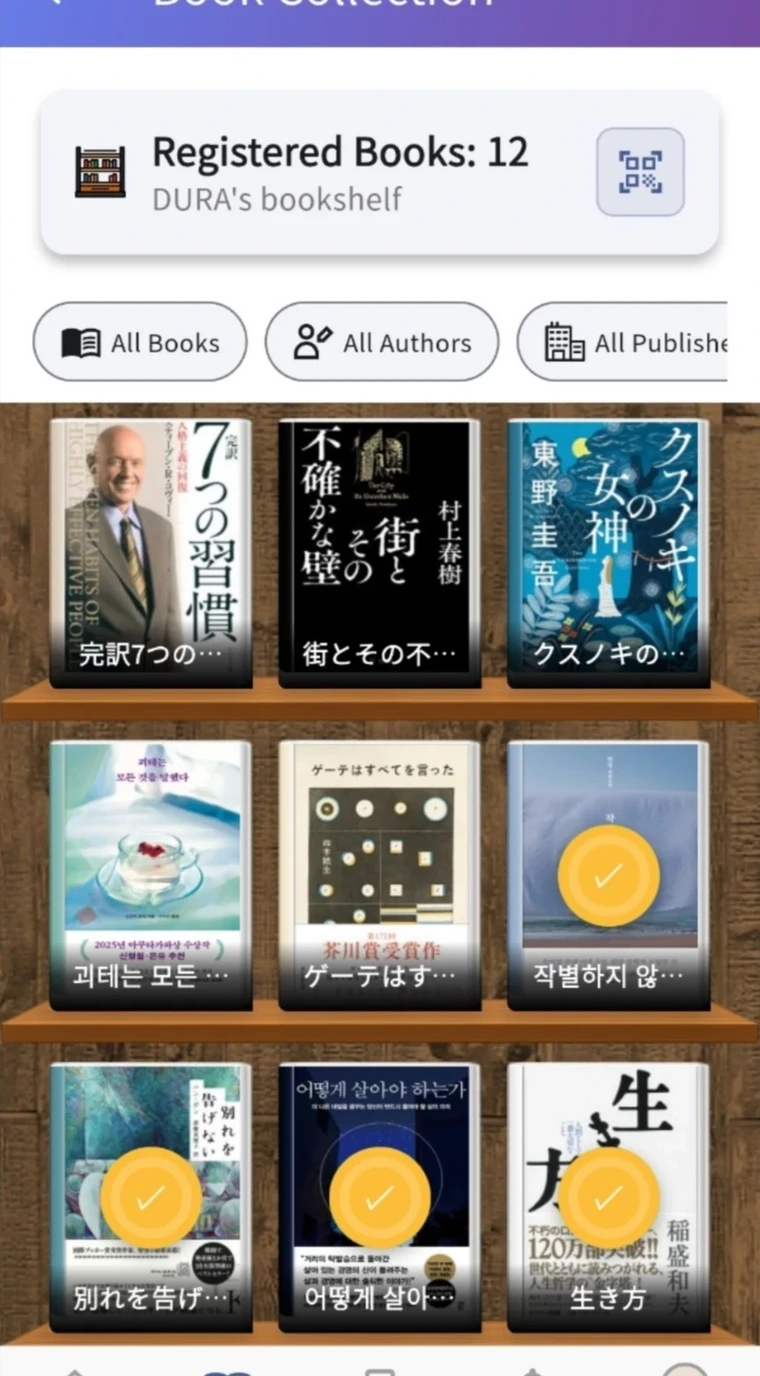
Save readings and meanings with the book and page.Revisit your reading through notes linked to your bookshelf.
① illustrates the capture feature. ② shows actual app screens.