
Kanji quizzes for the joy of reading
How do you read 慕情 in Japanese?
Affection reaches across distance.
Make the words you meet in books your own, one quiz at a time. Discover Japanese kanji readings, meanings and usage with DuraRing.
Unfamiliar kanji? Scan and look it up.Explore the OCR & AI dictionaryHow do you read this in Japanese?
Think of your answer before you look.
HINTShow hint
A feeling of affection and longing for someone, found in letters or stories.
More on radicals and this quiz’s stroke counts
Describe the shapes you see
You do not need to know the radical’s name. Try these searches for this quiz’s characters.
kanji like 暮 with a heart-shaped bottom
kanji combining 艹 日 大 and 心
reading of 慕 from 慕う with 情
These searches describe visual similarities, not formal radicals or character components.
慕: 14 strokes; radical 心 (heart, bottom form). 情: 11 strokes; radical 忄 (heart). Visual search descriptions are distinct from dictionary radical classifications.
慕14 strokes / radical: 心 (heart, bottom form)
情11 strokes / radical: 忄 (heart)
Stroke counts and radicals follow the Japanese dictionary Kanjipedia; other dictionaries may differ.
ANSWERShow answerHide answer
The answer is
ぼじょう
bojō
慕情
Understand the meaning
English translationLonging / affection for someone
Affection or longing for a person or a place such as one’s hometown, as when someone keeps thinking of a distant loved one.

See it in a sentence
古い手紙には、遠く離れた人への慕情がにじんでいた。The old letter was filled with longing for someone far away.
A way to remember
慕 is bo and 情 is jō. With う, 慕う has the native reading shitau.
Sources:Kanjipedia: 慕情
The explanation draws on the sources below. Examples were written for this page.
Explore the word further
Identify the person being longed for
Use 慕情を抱く or 慕情をつづる. A name or keepsake can reveal the person toward whom the feeling is directed.
例:再会を待つ慕情を、彼女は送れないままの手紙につづった。
She expressed her longing for a reunion in a letter she had not been able to send.
It does not establish mutual affection
慕情 describes the person’s own feeling. Without a response or further context, it does not establish that the affection is mutual.
References for this explanation:Kanjipedia: 慕情
Explanation checked on 2026-11-02. Additional examples were written by DuraRing for this page.
The answer and explanation stay hidden until you open them.
Read and learn with  .
Photograph unfamiliar kanji, look them up and save them in the app, linked to your book.A reading app that helps you revisit words in the context of your books.
Capture and look up kanji
Photograph a printed page.Check kanji readings and meanings.
Save words. Connect them to books.
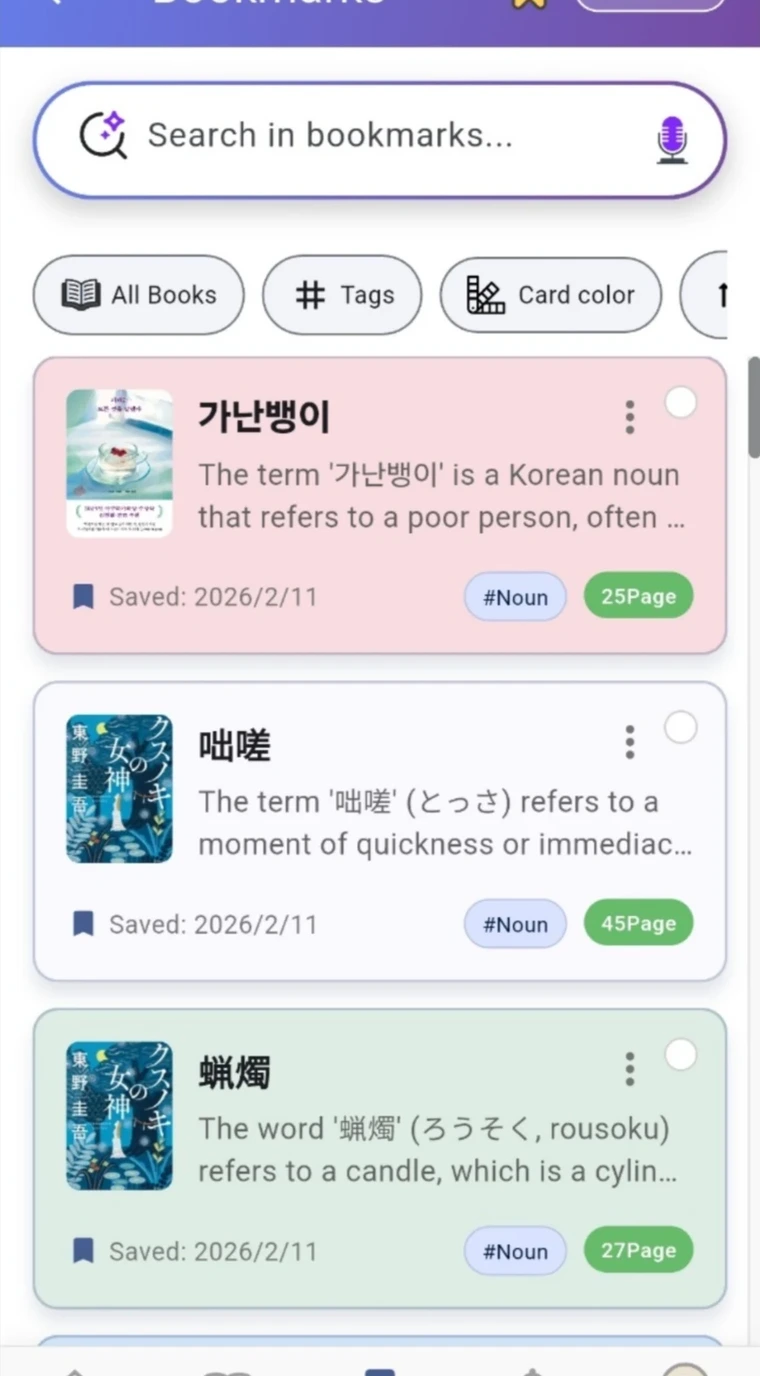
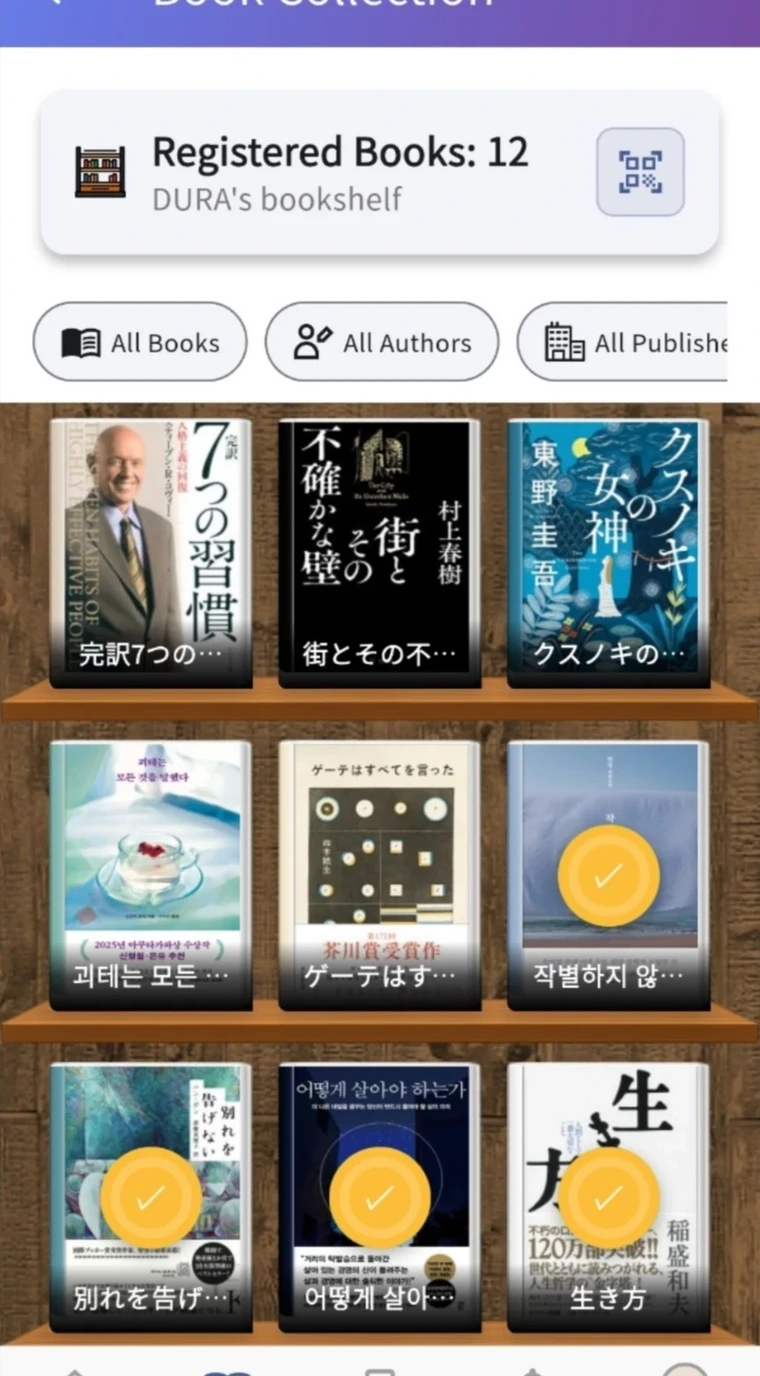
Save readings and meanings with the book and page.Revisit your reading through notes linked to your bookshelf.
① illustrates the capture feature. ② shows actual app screens.