
Kanji quizzes for the joy of reading
How do you read 安堵 in Japanese?
The relief when worry lifts.
Make the words you meet in books your own, one quiz at a time. Discover Japanese kanji readings, meanings and usage with DuraRing.
Unfamiliar kanji? Scan and look it up.Explore the OCR & AI dictionaryHow do you read this in Japanese?
Think of your answer before you look.
HINTShow hint
Feeling relieved when a worry passes. The second character has 土 beside 者.
More on radicals and this quiz’s stroke counts
Describe the shapes you see
You do not need to know the radical’s name. Try these searches for this quiz’s characters.
earth radical beside 者
安 followed by 土 and 者
two kanji starting 安 for relief
These searches describe visual similarities, not formal radicals or character components.
安: 6 strokes; radical 宀 (roof). 堵: 12 strokes; radical 土 (earth). Distinguish informal descriptions of the shape from the dictionary radical.
安6 strokes / radical: 宀 (roof)
堵12 strokes / radical: 土 (earth)
Stroke counts and radicals follow the Japanese dictionary Kanjipedia; other dictionaries may differ.
ANSWERShow answerHide answer
The answer is
あんど
ando
安堵
Understand the meaning
English translationRelief
Relief when a concern is resolved, such as after receiving reassuring news or finding something safe.

See it in a sentence
なくした鍵が見つかり、ようやく安堵した。I finally felt relieved when I found the lost key.
A way to remember
安 is an and 堵 is do here. Notice the earth radical in 堵, rather than writing 度.
Sources:Kanjipedia: 安堵
The explanation draws on the sources below. Examples were written for this page.
Explore the word further
A shift from worry to relief
In 安堵の声 or 安堵の表情, relief is visible in a voice or expression. Look for the earlier worry and the new information that resolves it.
例:友人から無事に到着したと連絡があり、家族は安堵の表情を浮かべた。
When their friend reported arriving safely, the family looked relieved.
A different sense in historical writing
Historical texts can use 安堵 for recognition of land ownership. This quiz concerns emotional relief. Distinguish a passage about someone’s feelings from one about land rights.
References for this explanation:Kanjipedia: 安堵
Explanation checked on 2026-10-25. Additional examples were written by DuraRing for this page.
The answer and explanation stay hidden until you open them.
Read and learn with  .
Photograph unfamiliar kanji, look them up and save them in the app, linked to your book.A reading app that helps you revisit words in the context of your books.
Capture and look up kanji
Photograph a printed page.Check kanji readings and meanings.
Save words. Connect them to books.
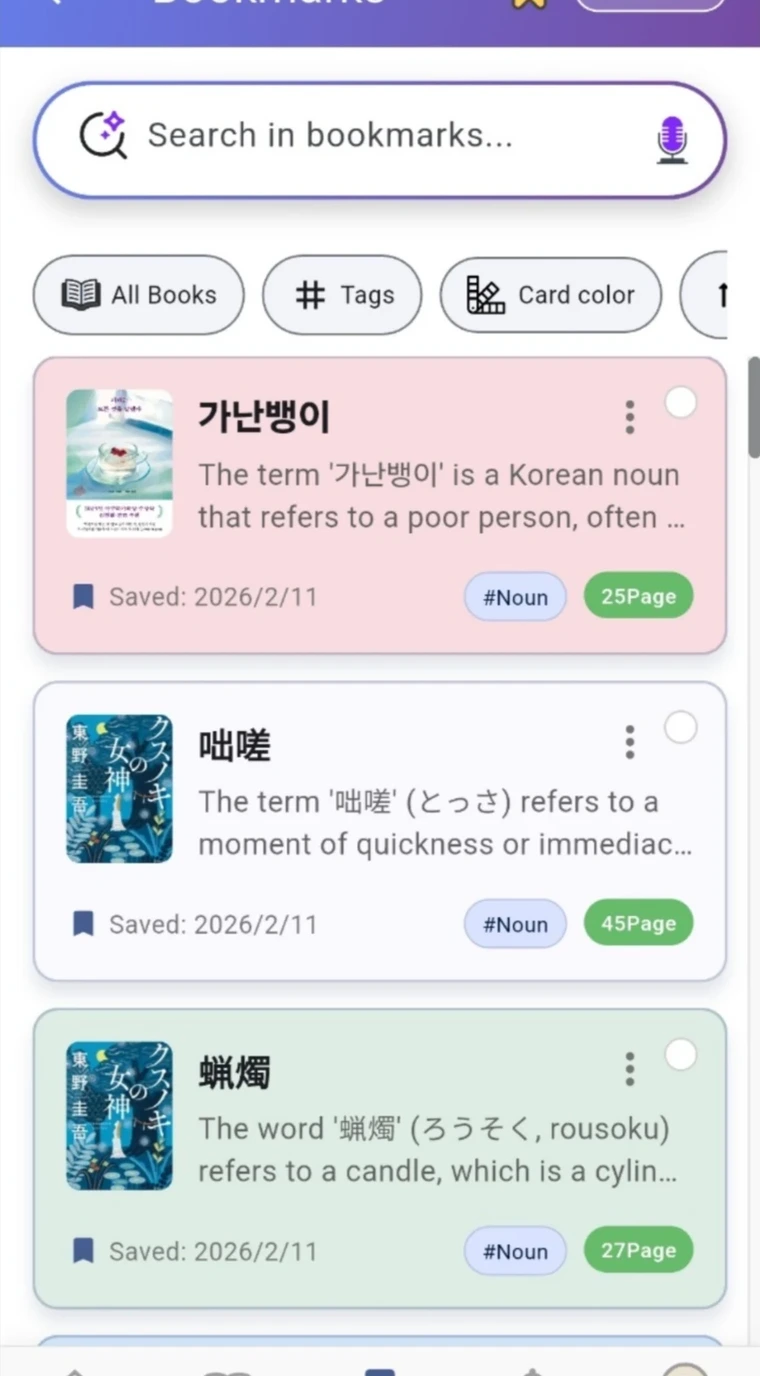
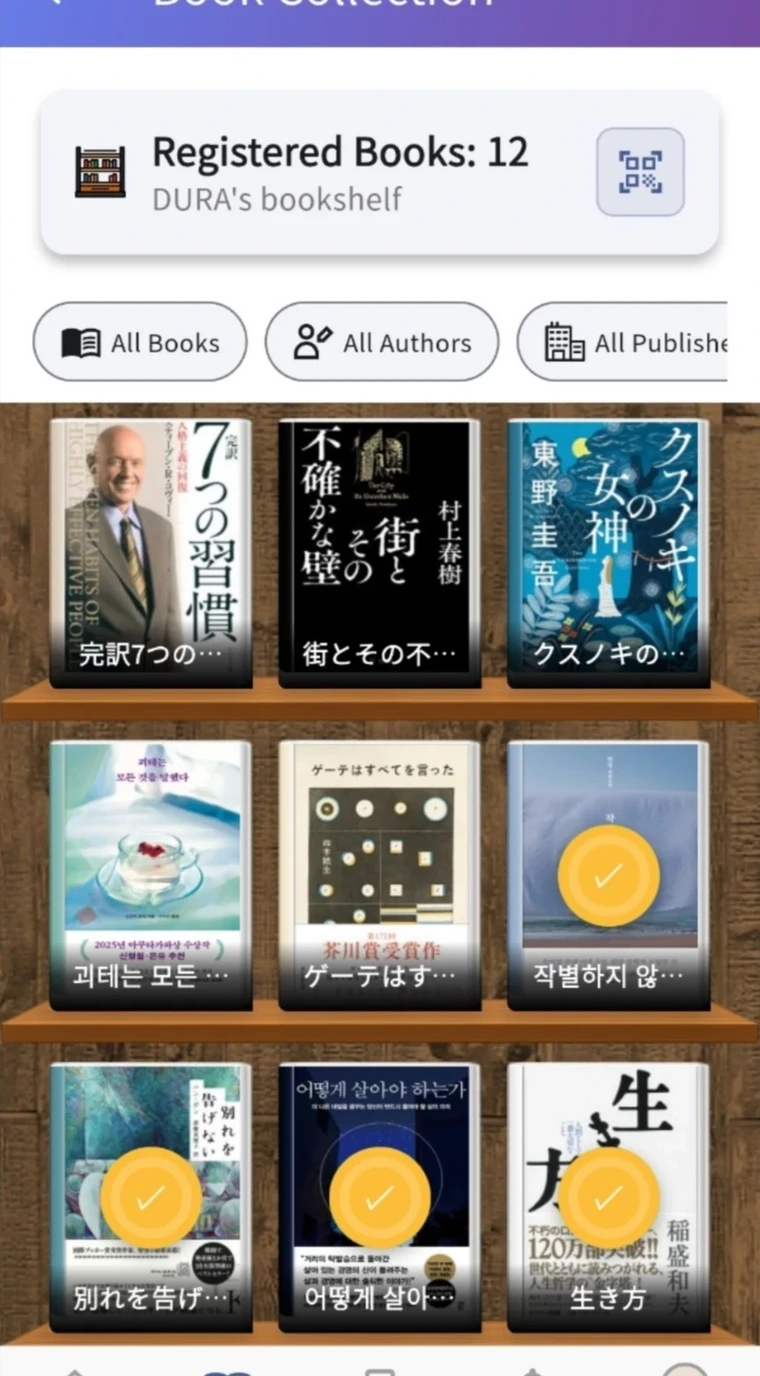
Save readings and meanings with the book and page.Revisit your reading through notes linked to your bookshelf.
① illustrates the capture feature. ② shows actual app screens.