
Kanji quizzes for the joy of reading
How do you read 十人十色 in Japanese?
Tastes and perspectives vary from person to person.
Make the words you meet in books your own, one quiz at a time. Discover Japanese kanji readings, meanings and usage with DuraRing.
Unfamiliar kanji? Scan and look it up.Explore the OCR & AI dictionaryHow do you read this in Japanese?
Think of your answer before you look.
HINTShow hint
People can have different tastes and ideas even about the same thing. The second 十 is read to.
More on radicals and this quiz’s stroke counts
Describe the shapes you see
You do not need to know the radical’s name. Try these searches for this quiz’s characters.
reading of Japanese idiom with 十 人 色
idiom with 色 meaning people differ
十人十 followed by a character like 色
These searches describe visual similarities, not formal radicals or character components.
十: 2 strokes; radical 十 (ten). 人: 2 strokes; radical 人 (person). 十: 2 strokes; radical 十 (ten). 色: 6 strokes; radical 色 (color). Distinguish informal descriptions of the shape from the dictionary radical.
十2 strokes / radical: 十 (ten)
人2 strokes / radical: 人 (person)
十2 strokes / radical: 十 (ten)
色6 strokes / radical: 色 (color)
Stroke counts and radicals follow the Japanese dictionary Kanjipedia; other dictionaries may differ.
Kanjipedia「十」 / Kanjipedia「人」 / Kanjipedia「十」 / Kanjipedia「色」
ANSWERShow answerHide answer
The answer is
じゅうにんといろ
jūnintoiro
十人十色
Understand the meaning
English translationDifferent people, different tastes
People differ in their tastes, ideas, personalities, and other qualities. The “colors” are a figurative way to express those individual differences.
See it in a sentence
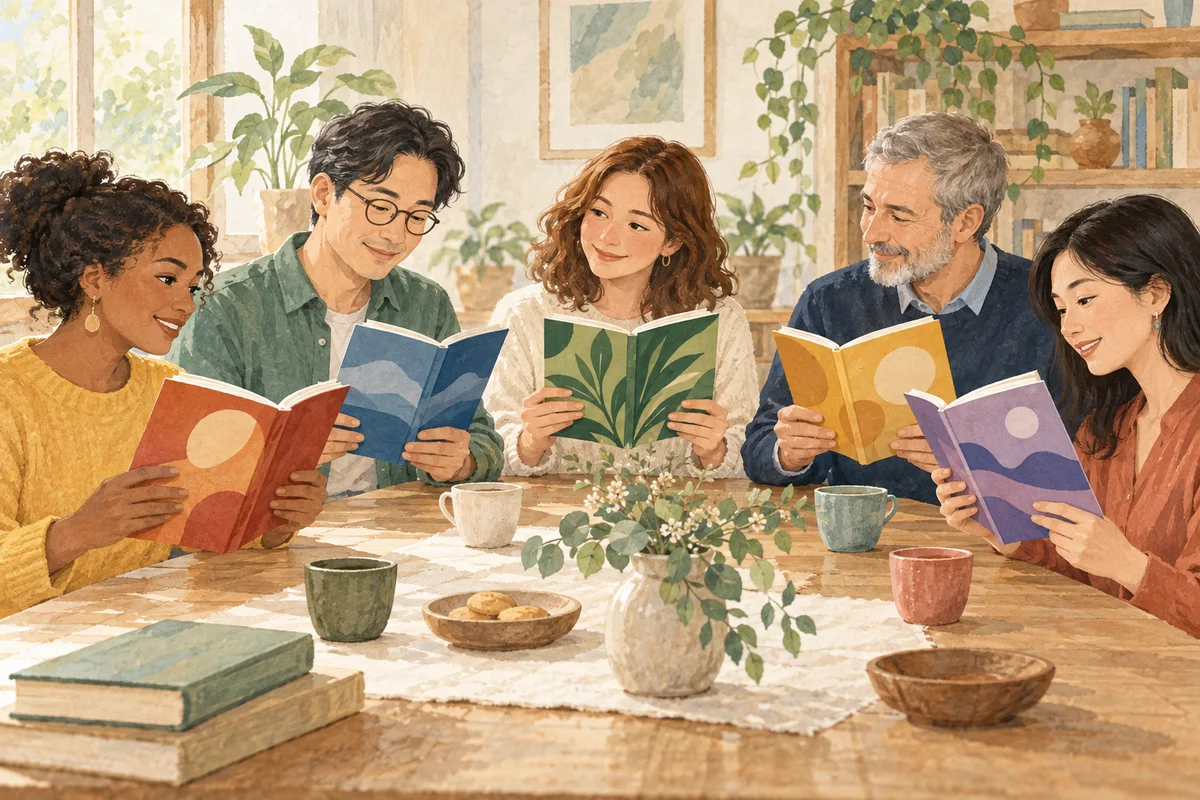
同じ小説を読んでも心に残った場面は十人十色で、読書会の話が弾んだ。Everyone remembered different scenes from the same novel, which made the reading-group discussion lively.
A way to remember
Although 十 occurs twice, it is read jū first and to second. Learn the complete reading jūnintoiro rather than reading each occurrence identically.
Sources:Kanjipedia: 十人十色
The explanation draws on the sources below. Examples were written for this page.
Explore the word further
Describe what differs
Use expressions such as 好みは十人十色 or 受け止め方も十人十色. The phrase helps describe differences without automatically declaring one person wrong.
例:表紙の好みは十人十色なので、展示では雰囲気の違う本を並べた。
Since tastes in book covers vary, we displayed books with a range of visual moods.
The group need not contain exactly ten people
The numbers emphasize individuality; you can use the phrase for three people with different preferences. It does not turn matters with verifiable answers, such as a calculation, into mere personal taste.
References for this explanation:Kanjipedia: 十人十色
Explanation checked on 2026-10-25. Additional examples were written by DuraRing for this page.
The answer and explanation stay hidden until you open them.
Read and learn with  .
Photograph unfamiliar kanji, look them up and save them in the app, linked to your book.A reading app that helps you revisit words in the context of your books.
Capture and look up kanji
Photograph a printed page.Check kanji readings and meanings.
Save words. Connect them to books.
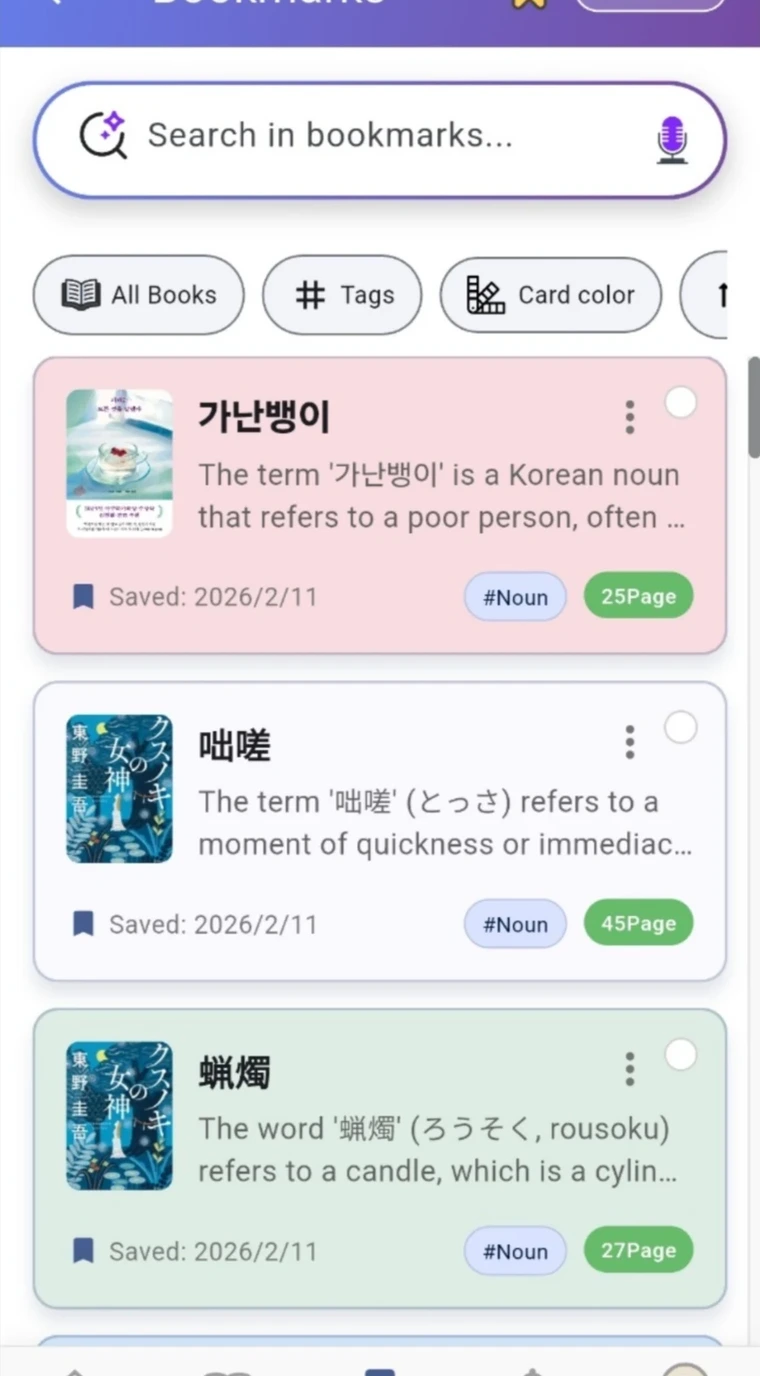
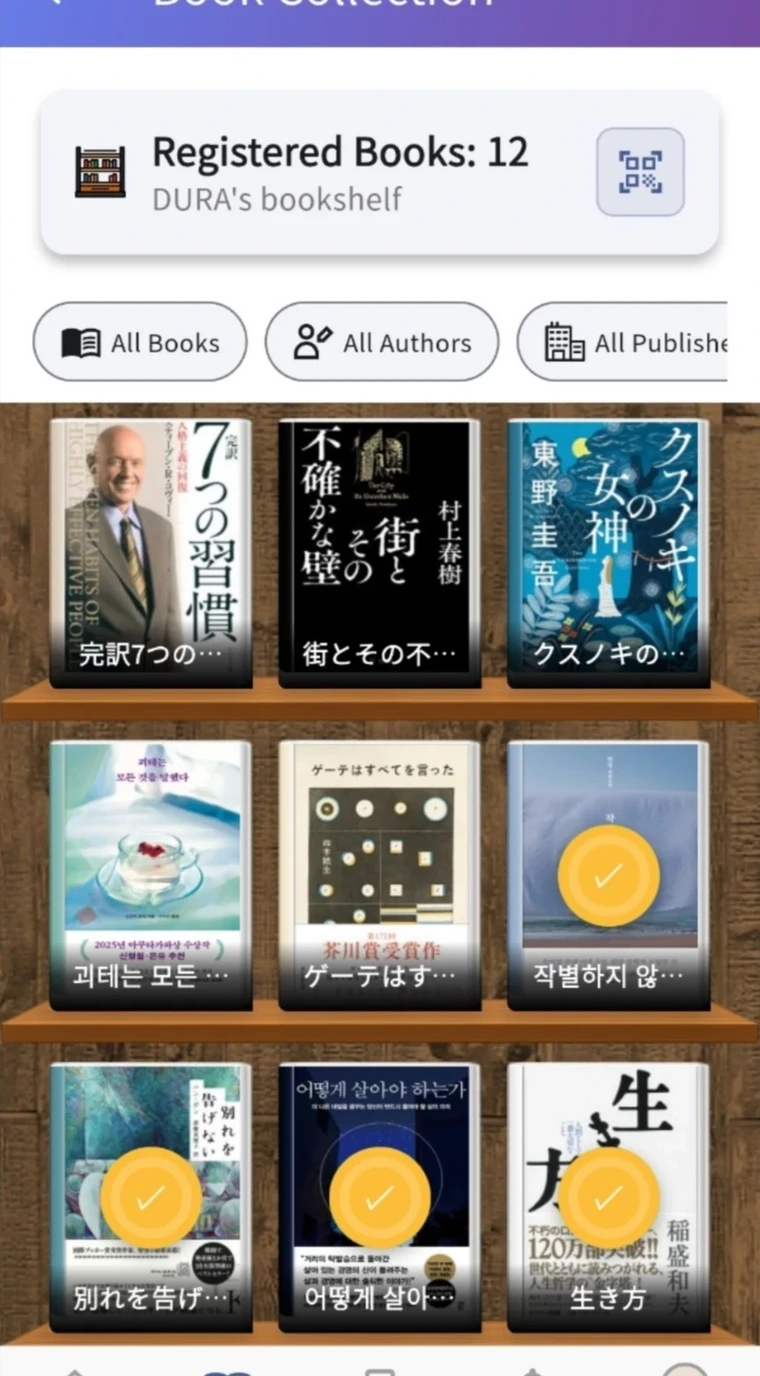
Save readings and meanings with the book and page.Revisit your reading through notes linked to your bookshelf.
① illustrates the capture feature. ② shows actual app screens.