
Kanji quizzes for the joy of reading
How do you read 月極 in Japanese?
Set the terms by the month.
Make the words you meet in books your own, one quiz at a time. Discover Japanese kanji readings, meanings and usage with DuraRing.
Unfamiliar kanji? Scan and look it up.Explore the OCR & AI dictionaryHow do you read this in Japanese?
Think of your answer before you look.
HINTShow hint
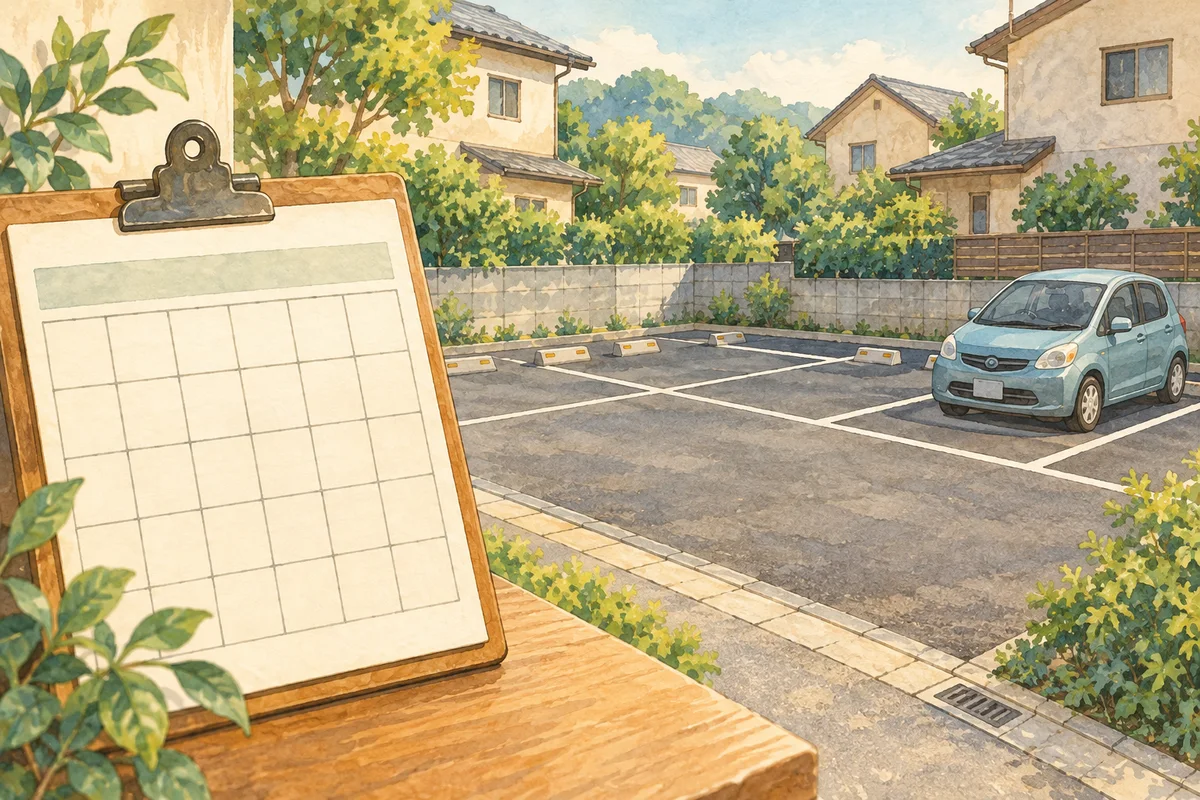
Seen on parking-lot signs, it refers to a monthly arrangement.
More on radicals and this quiz’s stroke counts
Describe the shapes you see
You do not need to know the radical’s name. Try these searches for this quiz’s characters.
月 and 極 parking sign reading
tree radical beside 亟
月 followed by 極 from 北極 reading
These searches describe visual similarities, not formal radicals or character components.
月: 4 strokes; radical 月 (moon). 極: 12 strokes; radical 木 (tree). Distinguish informal descriptions of the shape from the dictionary radical.
月4 strokes / radical: 月 (moon)
極12 strokes / radical: 木 (tree)
Stroke counts and radicals follow the Japanese dictionary Kanjipedia; other dictionaries may differ.
ANSWERShow answerHide answer
The answer is
つきぎめ
tsukigime
月極
Understand the meaning
English translationMonthly rental / monthly arrangement
An arrangement in which charges are agreed by the month, as with a monthly parking space.
See it in a sentence
引っ越し先の近くで、月極の駐車場を探した。I looked for a monthly parking space near my new home.
A way to remember
Read it tsukigime, not gekkyoku. It is also written 月極め.
Sources:Kanjipedia: 月極
The explanation draws on the sources below. Examples were written for this page.
Explore the word further
A word about the unit of an arrangement
月極駐車場 indicates a monthly arrangement rather than a separate charge for every visit. Thinking of how the space is used is more helpful than combining the characters’ usual on-readings.
例:毎日車で通うため、駅の近くの月極駐車場を利用することにした。
Because I drive every day, I decided to use a monthly parking space near the station.
Recognize the sense of agreeing terms
Do not let the familiar reading kiwameru determine this word. Both 月極 and 月極め are tsukigime: a useful example of spelling length not directly matching the length of the reading.
References for this explanation:Kanjipedia: 月極
Explanation checked on 2026-10-25. Additional examples were written by DuraRing for this page.
The answer and explanation stay hidden until you open them.
Read and learn with  .
Photograph unfamiliar kanji, look them up and save them in the app, linked to your book.A reading app that helps you revisit words in the context of your books.
Capture and look up kanji
Photograph a printed page.Check kanji readings and meanings.
Save words. Connect them to books.
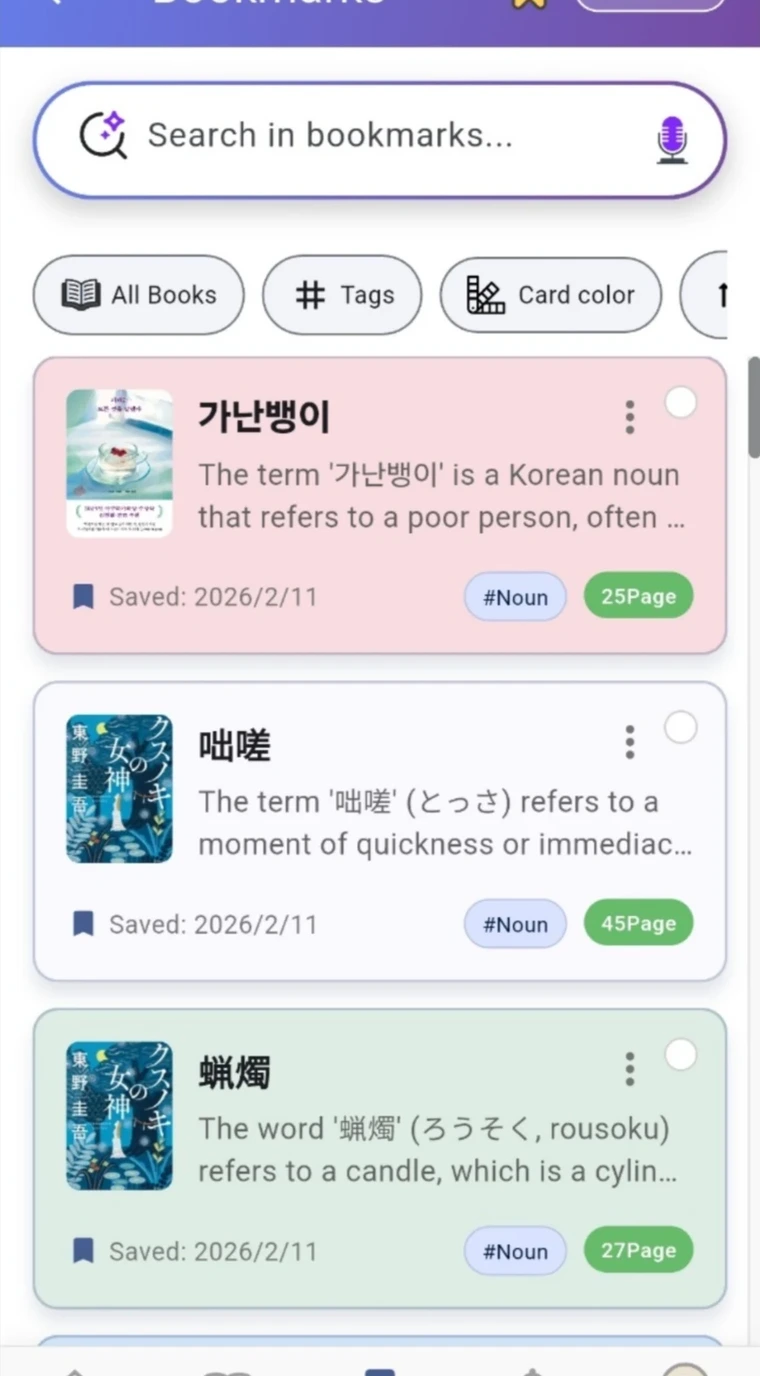
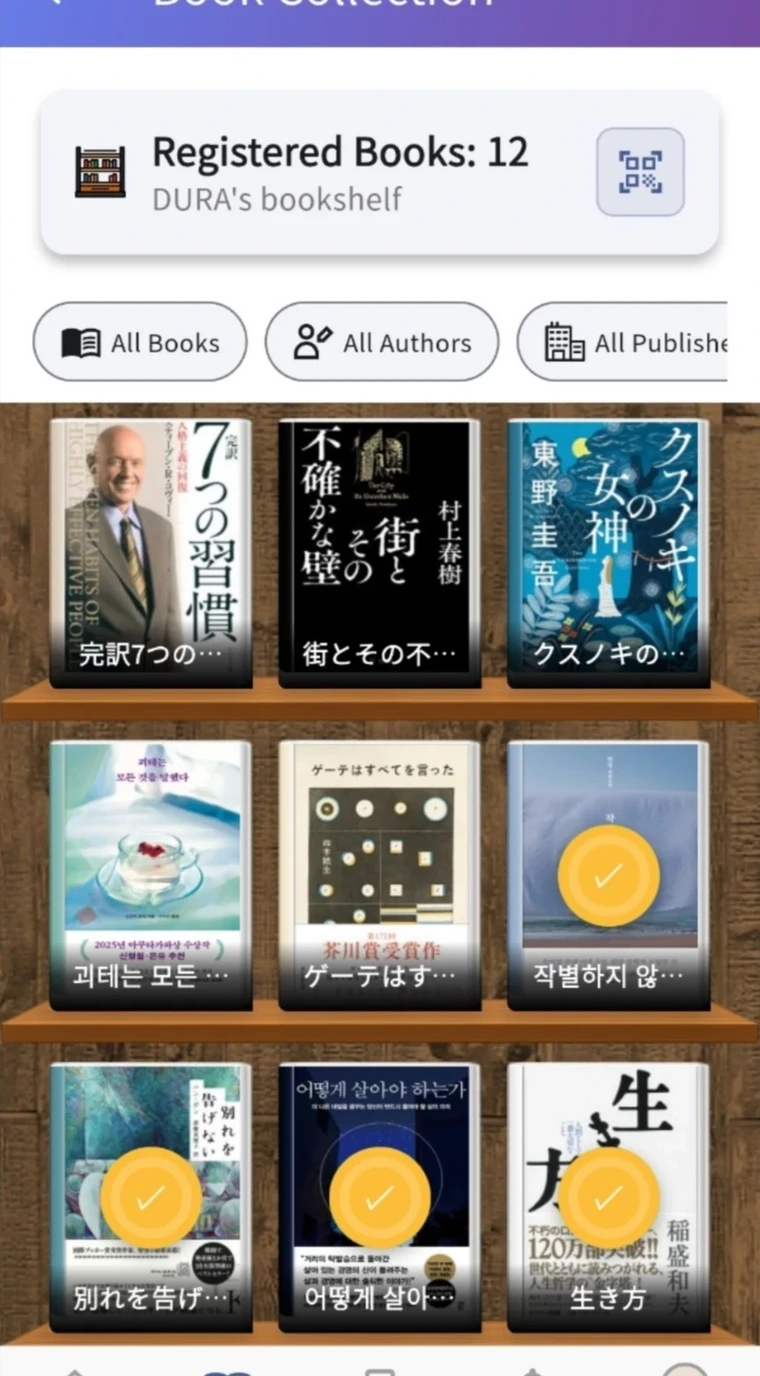
Save readings and meanings with the book and page.Revisit your reading through notes linked to your bookshelf.
① illustrates the capture feature. ② shows actual app screens.