
Kanji quizzes for the joy of reading
How do you read 蝸牛 in Japanese?
Moving slowly with a spiral shell.
Make the words you meet in books your own, one quiz at a time. Discover Japanese kanji readings, meanings and usage with DuraRing.
Unfamiliar kanji? Scan and look it up.Explore the OCR & AI dictionaryHow do you read this in Japanese?
Give the five-hiragana reading beginning with kata for a land mollusk with a spiral shell.
HINTShow hint
A shelled animal found in damp places, with eyes at the ends of its longer tentacles.
More on radicals and this quiz’s stroke counts
Describe the shapes you see
You do not need to know the radical’s name. Try these searches for this quiz’s characters.
insect radical beside 咼 kanji
鍋 with 虫 instead of 金
虫 plus 咼 followed by 牛 animal
These searches describe visual similarities, not formal radicals or character components.
蝸: 15 strokes; radical 虫 (insect). 牛: 4 strokes; radical 牛 (cow). Visual search descriptions are distinct from dictionary radical classifications.
蝸15 strokes / radical: 虫 (insect)
牛4 strokes / radical: 牛 (cow)
Stroke counts and radicals follow the Japanese dictionary Kanjipedia; other dictionaries may differ.
ANSWERShow answerHide answer
The answer is
かたつむり
katatsumuri
蝸牛
Understand the meaning
English translationLand snail
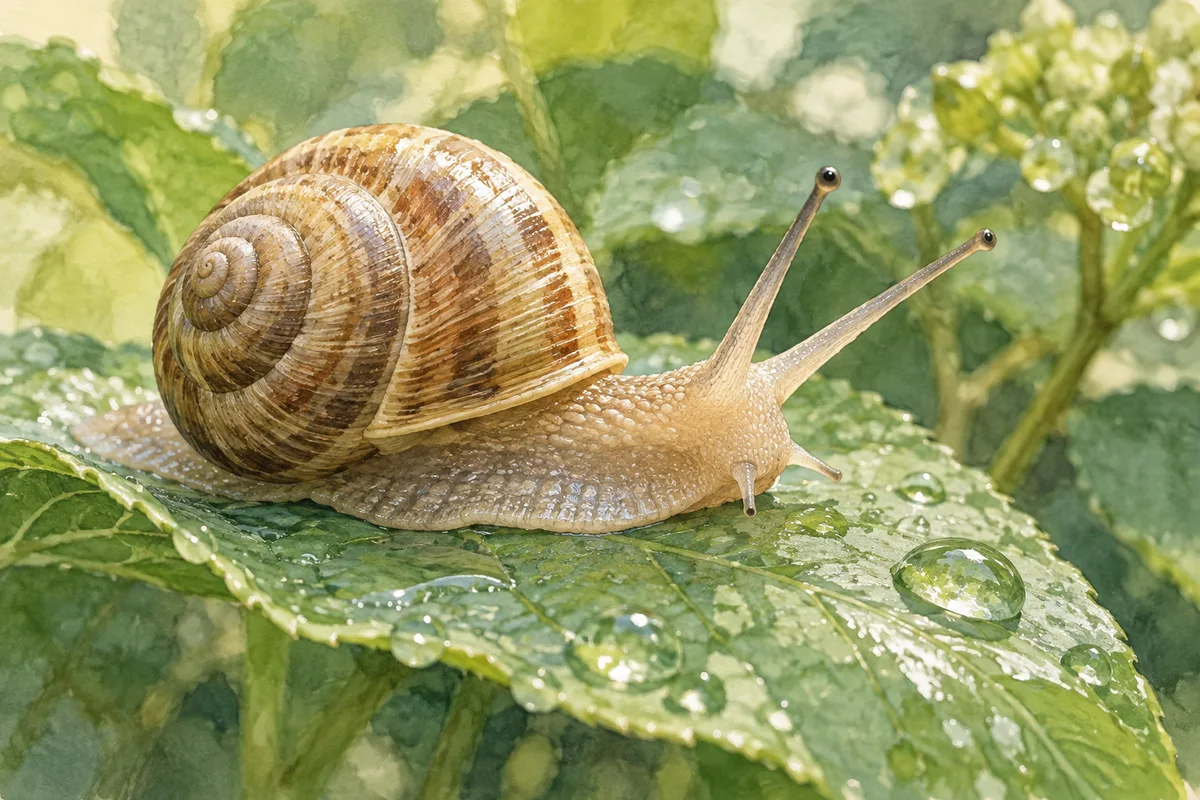
A name for terrestrial snails, with a coiled shell and two pairs of tentacles on the head.
See it in a sentence
雨上がりの葉の上を、蝸牛がゆっくり進んでいた。A snail moved slowly across a leaf after the rain.
A way to remember
Here the answer is katatsumuri. Kagyū and dendenmushi are also recorded readings.
Sources:Kanjipedia: 蝸牛
The explanation draws on the sources below. Examples were written for this page.
Explore the word further
Notice the shell and tentacles
Use 蝸牛がはう or 蝸牛の殻. Describe the slow movement together with the coiled shell to establish the scene.
例:図鑑を開き、庭で見た蝸牛の殻の模様を確かめた。
I opened a guidebook to check the shell pattern of the snail I had seen in the garden.
The insect radical does not make it an insect
A snail is a land mollusk, not an insect. 虫 helps locate the character in a dictionary but does not directly determine biological classification.
References for this explanation:Kanjipedia: 蝸牛
Explanation checked on 2026-11-02. Additional examples were written by DuraRing for this page.
The answer and explanation stay hidden until you open them.
Read and learn with  .
Photograph unfamiliar kanji, look them up and save them in the app, linked to your book.A reading app that helps you revisit words in the context of your books.
Capture and look up kanji
Photograph a printed page.Check kanji readings and meanings.
Save words. Connect them to books.
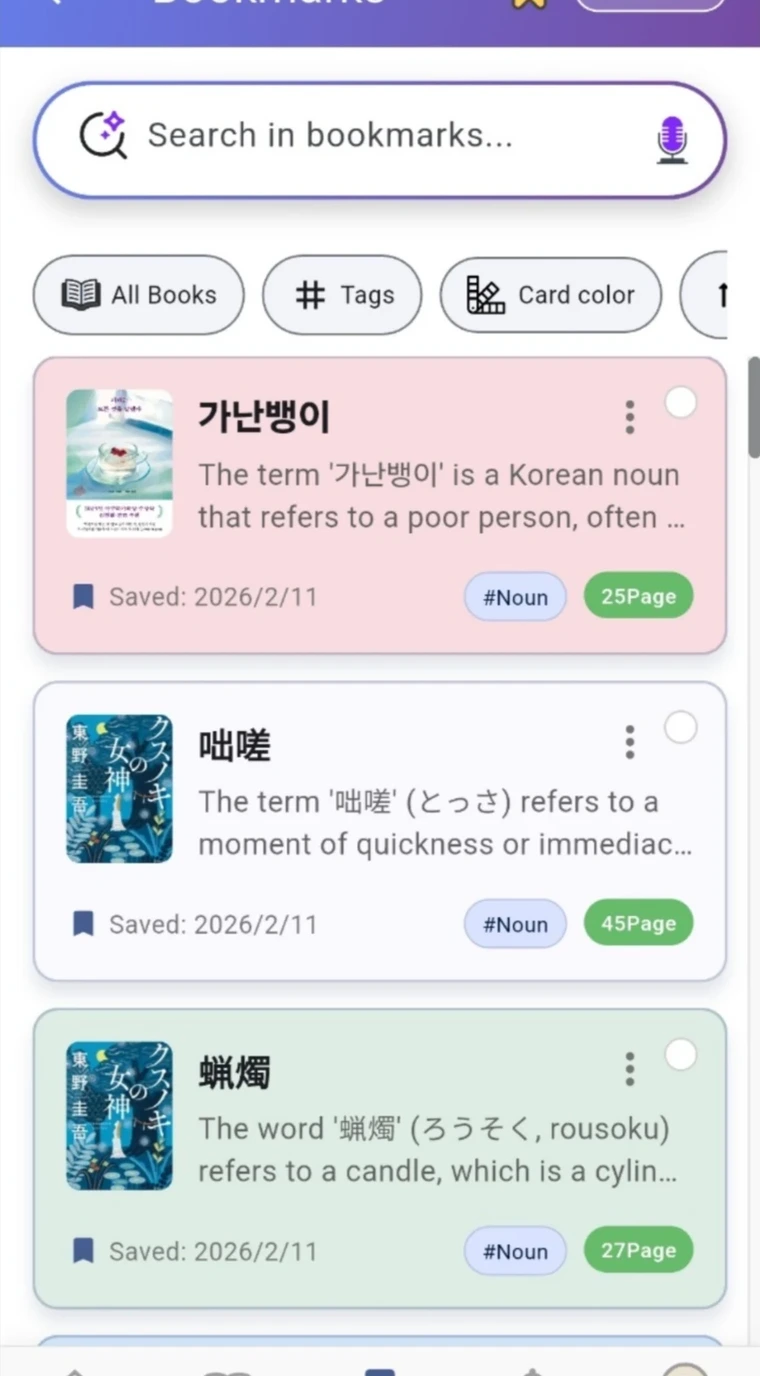
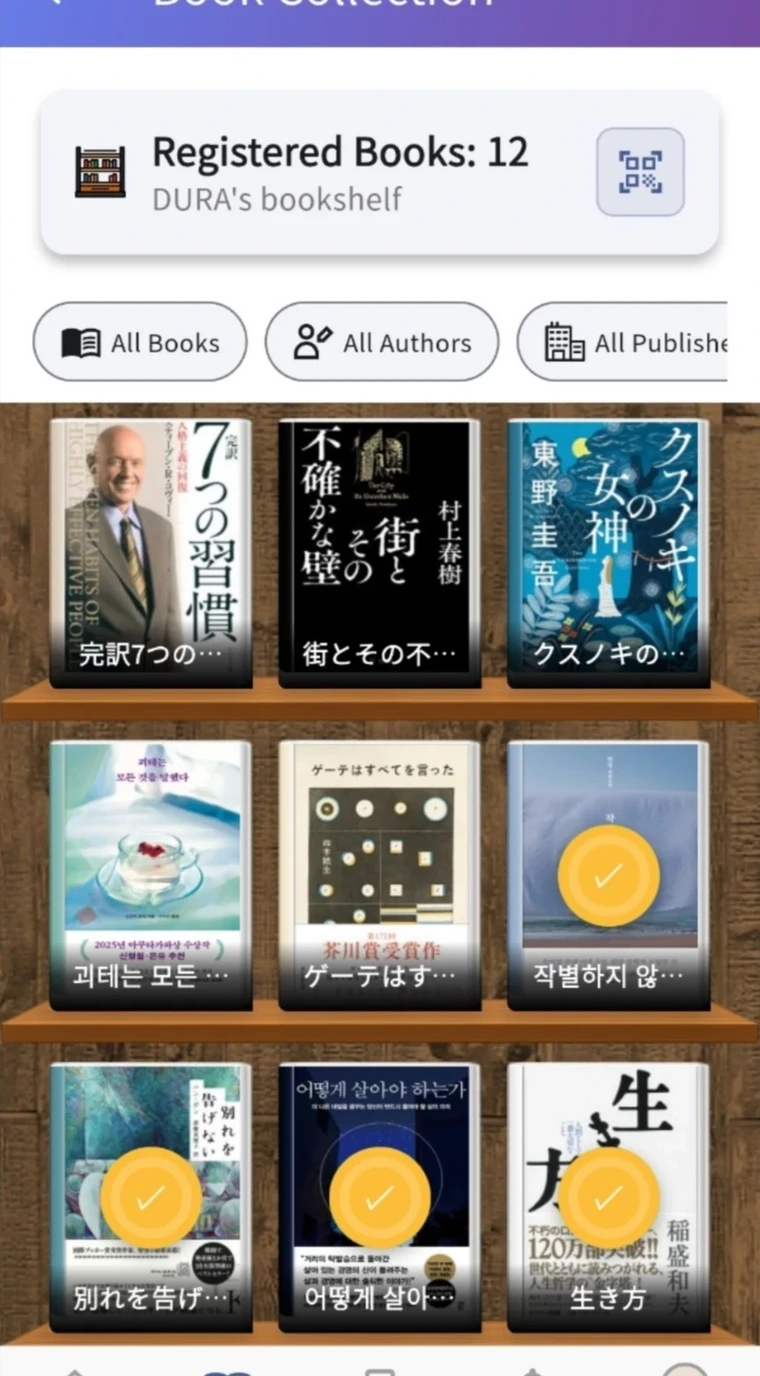
Save readings and meanings with the book and page.Revisit your reading through notes linked to your bookshelf.
① illustrates the capture feature. ② shows actual app screens.