
Kanji quizzes for the joy of reading
How do you read 木耳 in Japanese?
Something ear-shaped that grows on wood.
Make the words you meet in books your own, one quiz at a time. Discover Japanese kanji readings, meanings and usage with DuraRing.
Unfamiliar kanji? Scan and look it up.Explore the OCR & AI dictionaryHow do you read this in Japanese?
Think of your answer before you look.
HINTShow hint
A mushroom with a pleasantly firm texture. Its name sounds a little like a sea creature’s.
More on radicals and this quiz’s stroke counts
Describe the shapes you see
You do not need to know the radical’s name. Try these searches for this quiz’s characters.
木 and 耳 food kanji
mushroom written tree ear Japanese reading
木 耳 two kanji crunchy food
These searches describe visual similarities, not formal radicals or character components.
木 has 4 strokes and the radical 木 (tree). 耳 has 6 strokes and the radical 耳 (ear). Radicals are dictionary classifications. The shape-based search phrases below provide other lookup clues.
木4 strokes / radical: 木 (tree)
耳6 strokes / radical: 耳 (ear)
Stroke counts and radicals follow the Japanese dictionary Kanjipedia; other dictionaries may differ.
ANSWERShow answerHide answer
The answer is
きくらげ
kikurage
木耳
Understand the meaning
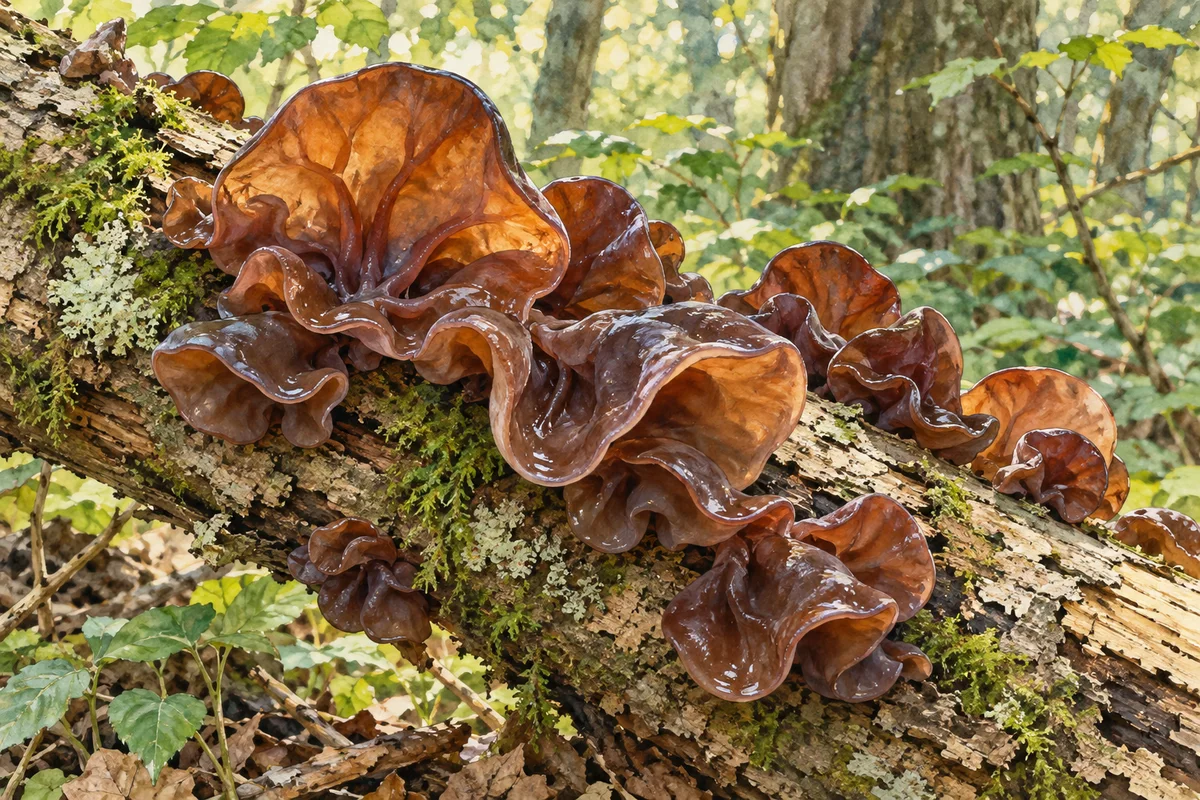
English translationWood ear mushroom
Wood ear, a dark brown ear-shaped fungus that grows on dead wood and is valued in cooking for its texture.
See it in a sentence
炒め物に木耳を加えると、食感の違いが楽しかった。Adding wood ear mushrooms to the stir-fry gave it an enjoyable contrast in texture.
A way to remember
木 and 耳 evoke its growing place and shape. Read the whole word as kikurage.
Sources:Kanjipedia: 木耳
The explanation draws on the sources below. Examples were written for this page.
Explore the word further
Using 木耳
木耳を戻す and 木耳を刻む describe cooking steps. Here 戻す concerns rehydrating a dried ingredient.
例:水で戻した木耳を細く切り、野菜と一緒に炒めた。
I sliced the rehydrated wood ear mushrooms thinly and stir-fried them with vegetables.
Reading and meaning in context
Although the sound resembles くらげ, 木耳 names a mushroom. When comparing it with 海月, focus on the referent rather than the similar sound.
References for this explanation:Kanjipedia: 木耳
Explanation checked on 2026-10-23. Additional examples were written by DuraRing for this page.
The answer and explanation stay hidden until you open them.
Read and learn with  .
Photograph unfamiliar kanji, look them up and save them in the app, linked to your book.A reading app that helps you revisit words in the context of your books.
Capture and look up kanji
Photograph a printed page.Check kanji readings and meanings.
Save words. Connect them to books.

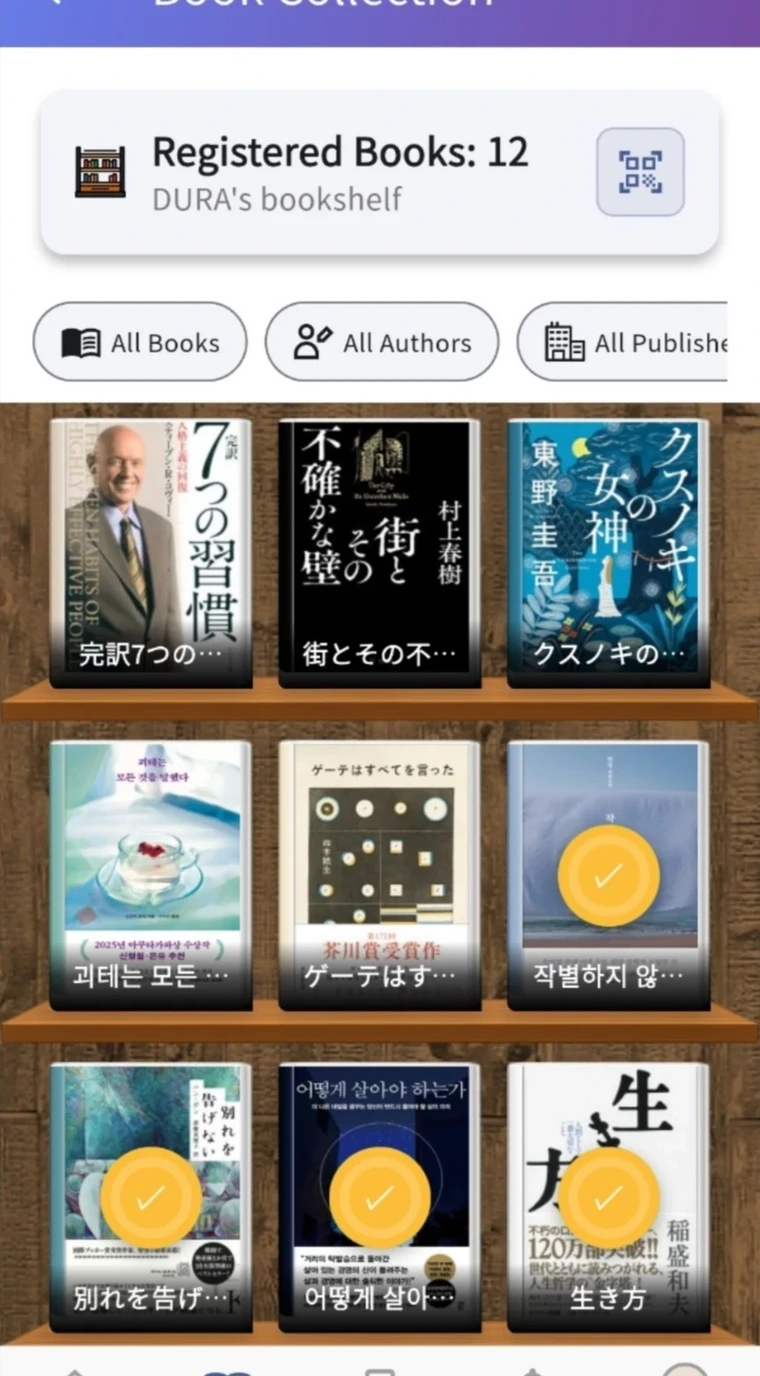
Save readings and meanings with the book and page.Revisit your reading through notes linked to your bookshelf.
① illustrates the capture feature. ② shows actual app screens.