
Kanji quizzes for the joy of reading
How do you read 柿 in Japanese?
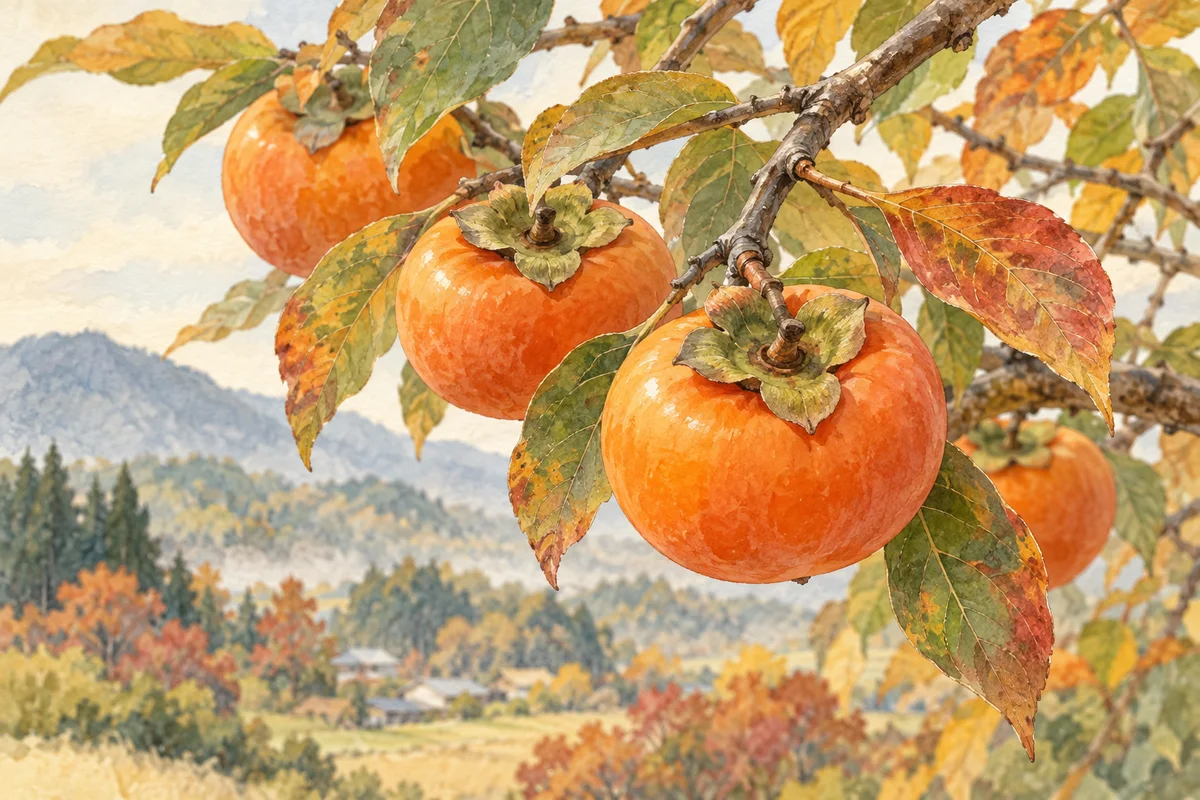
Autumn fruit ripening on a branch.
Make the words you meet in books your own, one quiz at a time. Discover Japanese kanji readings, meanings and usage with DuraRing.
Unfamiliar kanji? Scan and look it up.Explore the OCR & AI dictionaryHow do you read this in Japanese?
Give the native reading for the tree and orange fruit that ripens in autumn.
HINTShow hint
Written 木 beside 市. An autumn fruit that colors the tips of branches orange.
More on radicals and this quiz’s stroke counts
Describe the shapes you see
You do not need to know the radical’s name. Try these searches for this quiz’s characters.
tree radical beside 市 kanji
木 and 市 9 strokes fruit
orange autumn fruit name beginning ka
These searches describe visual similarities, not formal radicals or character components.
柿: 9 strokes; radical 木 (tree). Visual search descriptions are distinct from dictionary radical classifications.
柿9 strokes / radical: 木 (tree)
Stroke counts and radicals follow the Japanese dictionary Kanjipedia; other dictionaries may differ.
ANSWERShow answerHide answer
The answer is
かき
kaki
柿
Understand the meaning
English translationPersimmon / persimmon tree
A tree and its orange to reddish autumn fruit, used both as a food name and a tree name.
See it in a sentence
庭の柿が色づき、枝先が橙色になった。The garden persimmons ripened, coloring the ends of the branches orange.
A way to remember
The fruit is read kaki. Remember 木 together with the 市 shape on the right.
Sources:Kanjipedia: 柿
The explanation draws on the sources below. Examples were written for this page.
Explore the word further
Describe fruit changing color
Use 柿が色づく or 柿を収穫する. The verb helps identify whether the subject is the tree or its fruit.
例:窓から見える柿の実が、先週よりも濃い色になっていた。
The persimmons visible from the window had deepened in color since the previous week.
The written character identifies the meaning
The sound kaki can match other words. Here the 木 radical and the surrounding context identify a tree or fruit.
References for this explanation:Kanjipedia: 柿
Explanation checked on 2026-11-02. Additional examples were written by DuraRing for this page.
The answer and explanation stay hidden until you open them.
Read and learn with  .
Photograph unfamiliar kanji, look them up and save them in the app, linked to your book.A reading app that helps you revisit words in the context of your books.
Capture and look up kanji
Photograph a printed page.Check kanji readings and meanings.
Save words. Connect them to books.

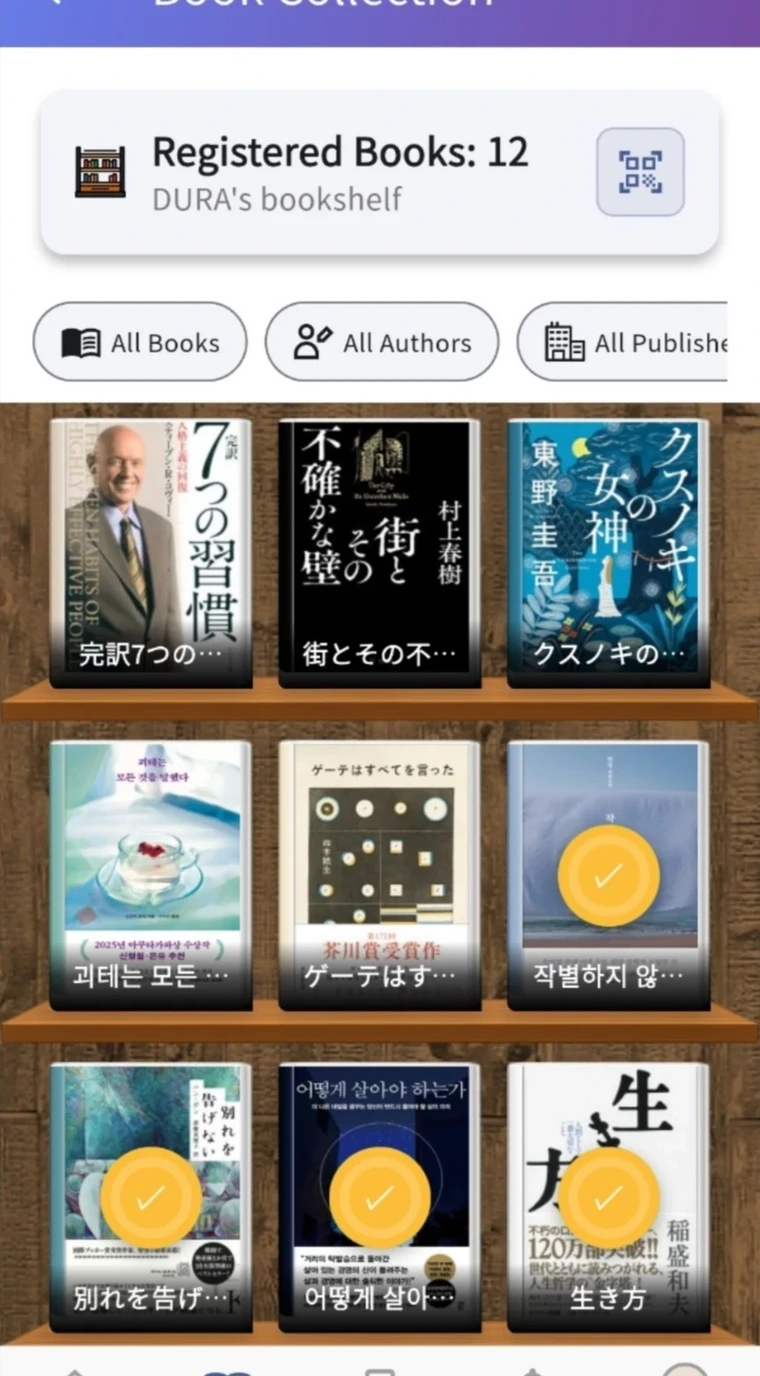
Save readings and meanings with the book and page.Revisit your reading through notes linked to your bookshelf.
① illustrates the capture feature. ② shows actual app screens.