
Kanji quizzes for the joy of reading
How do you read 菫 in Japanese?
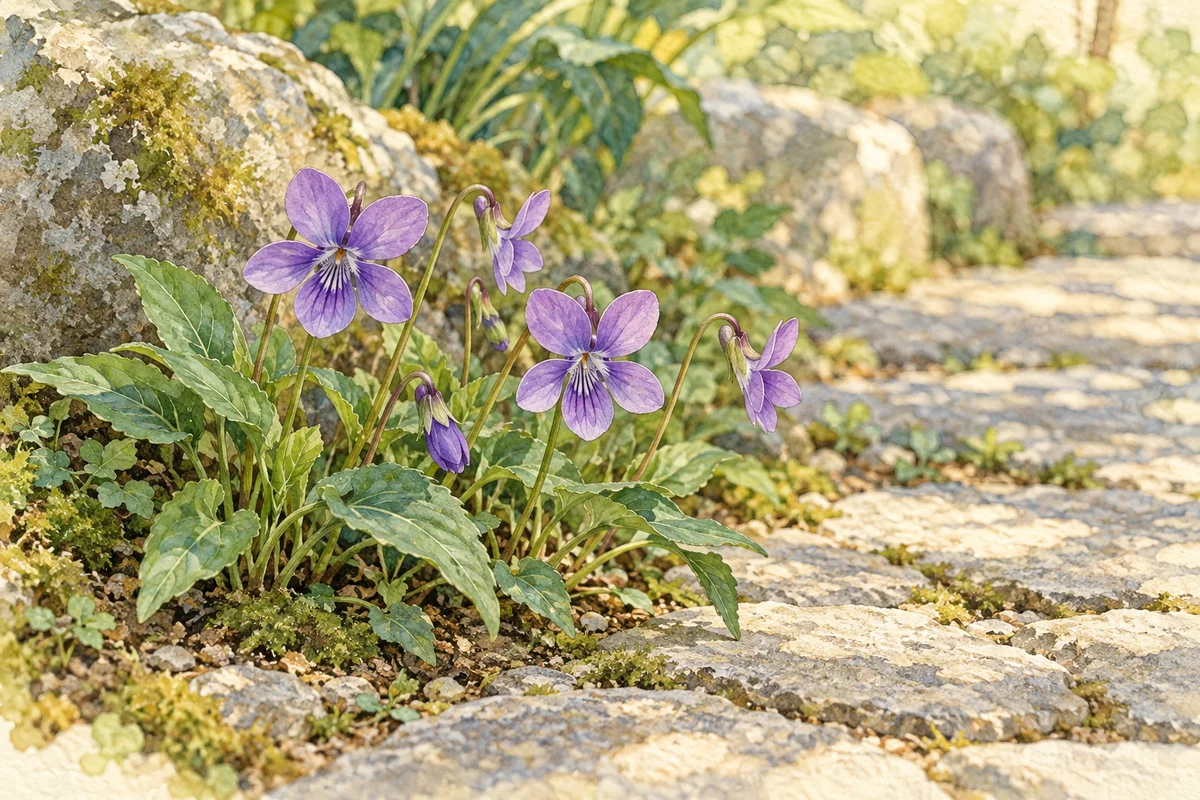
A small flower beside your feet.
Make the words you meet in books your own, one quiz at a time. Discover Japanese kanji readings, meanings and usage with DuraRing.
Unfamiliar kanji? Scan and look it up.Explore the OCR & AI dictionaryHow do you read this in Japanese?
Give the native reading for the small violet flowers seen beside paths.
HINTShow hint
Small flowers growing close to the ground. Three hiragana beginning with su.
More on radicals and this quiz’s stroke counts
Describe the shapes you see
You do not need to know the radical’s name. Try these searches for this quiz’s characters.
grass radical 11 strokes purple flower
flower kanji resembling the left of 勤
grass top many horizontal lines flower beginning su
These searches describe visual similarities, not formal radicals or character components.
菫: 11 strokes; radical 艸 (grass). Distinguish informal descriptions of the shape from the dictionary radical.
菫11 strokes / radical: 艸 (grass)
Stroke counts and radicals follow the Japanese dictionary Kanjipedia; other dictionaries may differ.
ANSWERShow answerHide answer
The answer is
すみれ
sumire
菫
Understand the meaning
English translationViolet
A violet, a small flowering plant seen along paths in spring. This question concerns the plant familiar for its purple flowers.
See it in a sentence
石垣の下に、小さな菫が咲いていた。Small violets were blooming beneath the stone wall.
A way to remember
Use the grass radical as a clue. 菫 and 董 are different characters; check the lower shape as well.
Sources:Kanjipedia: 菫
The explanation draws on the sources below. Examples were written for this page.
Explore the word further
Notice the small details
道ばたの菫 and 菫を見つける draw the eye toward a small flower near the ground. In a larger landscape, its appearance can show what made the narrator pause.
例:急ぎ足の帰り道、菫を見つけて少しだけ立ち止まった。
Hurrying home, I spotted a violet and paused for a moment.
Use the botanical context
A character dictionary also lists other senses of 菫. The small violet flower specified here selects sumire. Do not assume that every occurrence of a character must refer to the same plant.
References for this explanation:Kanjipedia: 菫
Explanation checked on 2026-10-25. Additional examples were written by DuraRing for this page.
The answer and explanation stay hidden until you open them.
Read and learn with  .
Photograph unfamiliar kanji, look them up and save them in the app, linked to your book.A reading app that helps you revisit words in the context of your books.
Capture and look up kanji
Photograph a printed page.Check kanji readings and meanings.
Save words. Connect them to books.


Save readings and meanings with the book and page.Revisit your reading through notes linked to your bookshelf.
① illustrates the capture feature. ② shows actual app screens.